
Key Highlights
- Canada and the EU finalize a defense procurement deal at the Munich summit.
- Diplomatic discussions focus on interoperability and technology sharing.
- The summit reflects broader challenges and opportunities for Western alliances.
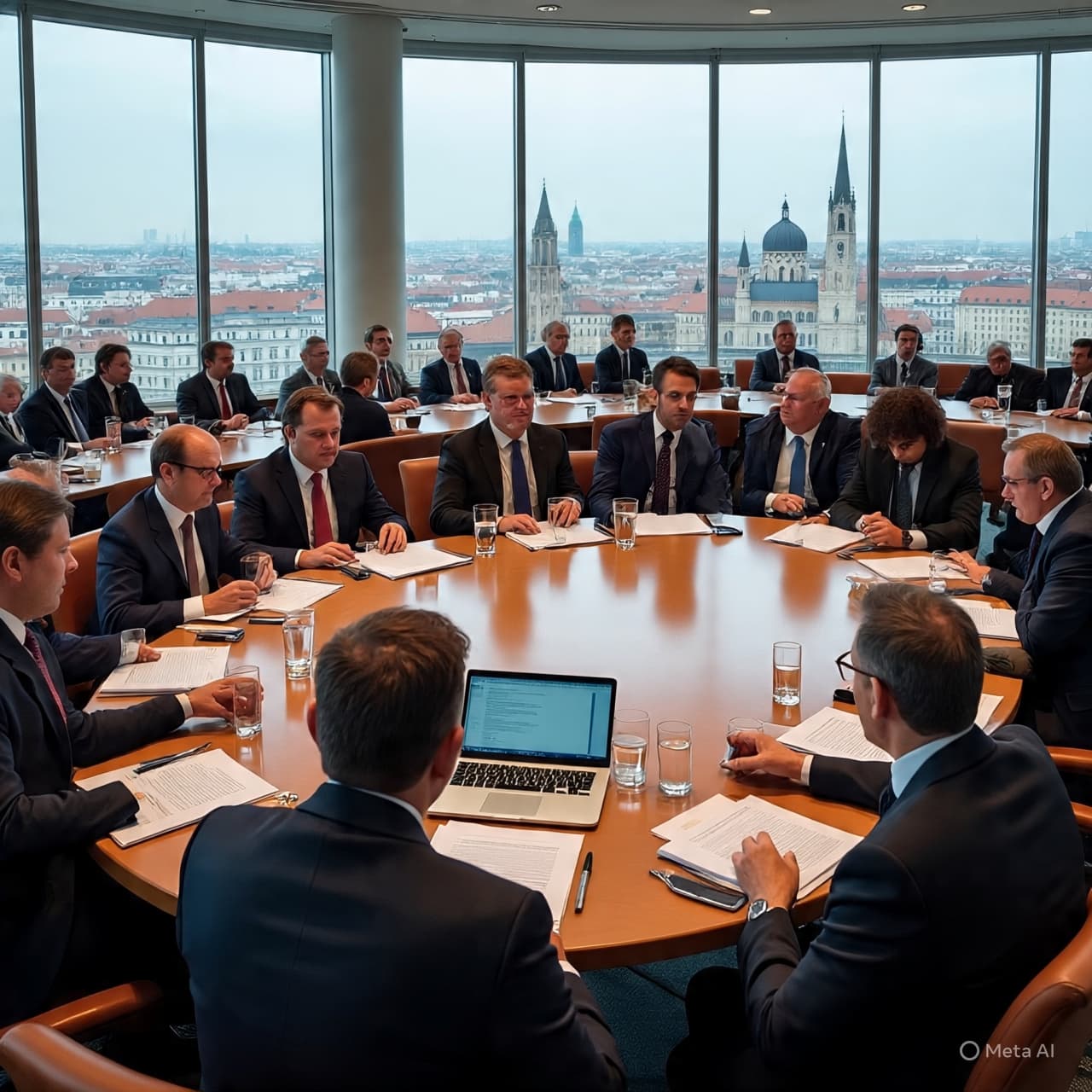
The pale light of an early Munich morning filters through tall windows, casting a quiet glow across polished tables where nations convene in dialogue. Outside, the city hums with the rhythm of everyday life, but within these halls, conversations chart a course across oceans, time zones, and shared interests. Here, the transatlantic bond is being tested and reaffirmed, as Canada and the European Union finalize a defense procurement deal, marking one of the first gestures in a week of diplomatic choreography.
Delegates move between rooms, their footsteps muted against the marble floors, carrying the weight of strategy tempered by careful diplomacy. Discussions revolve around interoperability, technology sharing, and the balance of modern security imperatives—subjects that, while technical, ripple outward into broader questions of trust and alliance. Canada’s commitment to the EU’s defense projects signals both alignment and confidence, a gesture meant to reinforce the network of ties that has endured decades yet faces new challenges.
Observers note the subtle choreography: the sequencing of announcements, the placement of flags, and the nods of acknowledgment between officials. These details, often invisible outside summit reportage, mark the rhythm of international cooperation. While headlines may capture the ink on the contract, the atmosphere is equally defined by soft conversations, measured gestures, and the quiet work of ensuring that agreements translate into shared action rather than mere words.
By afternoon, statements emerge and photographs are taken—handshakes, smiles, flags in the background—but the essence of the day lies in the careful calibration of relationships. Canada’s procurement deal with the EU exemplifies a commitment not only to material security but also to the intangible threads of trust and mutual recognition that underpin transatlantic cooperation. The Munich summit, with its corridors of quiet diplomacy and punctuated moments of ceremony, becomes a mirror of the broader challenges and possibilities that face Western alliances in the twenty-first century.
As delegates depart and the city returns to its usual cadence, the pact remains—a testament to negotiation, foresight, and the subtle architecture of international ties. In the interplay between formal agreements and lived diplomacy, the echoes of today’s decisions will stretch beyond the summit halls, shaping the contours of collective security and shared futures.
Published by Banx Network. This article is part of the Banx decentralized media programme, powered by the BXE token on the XRP Ledger.



