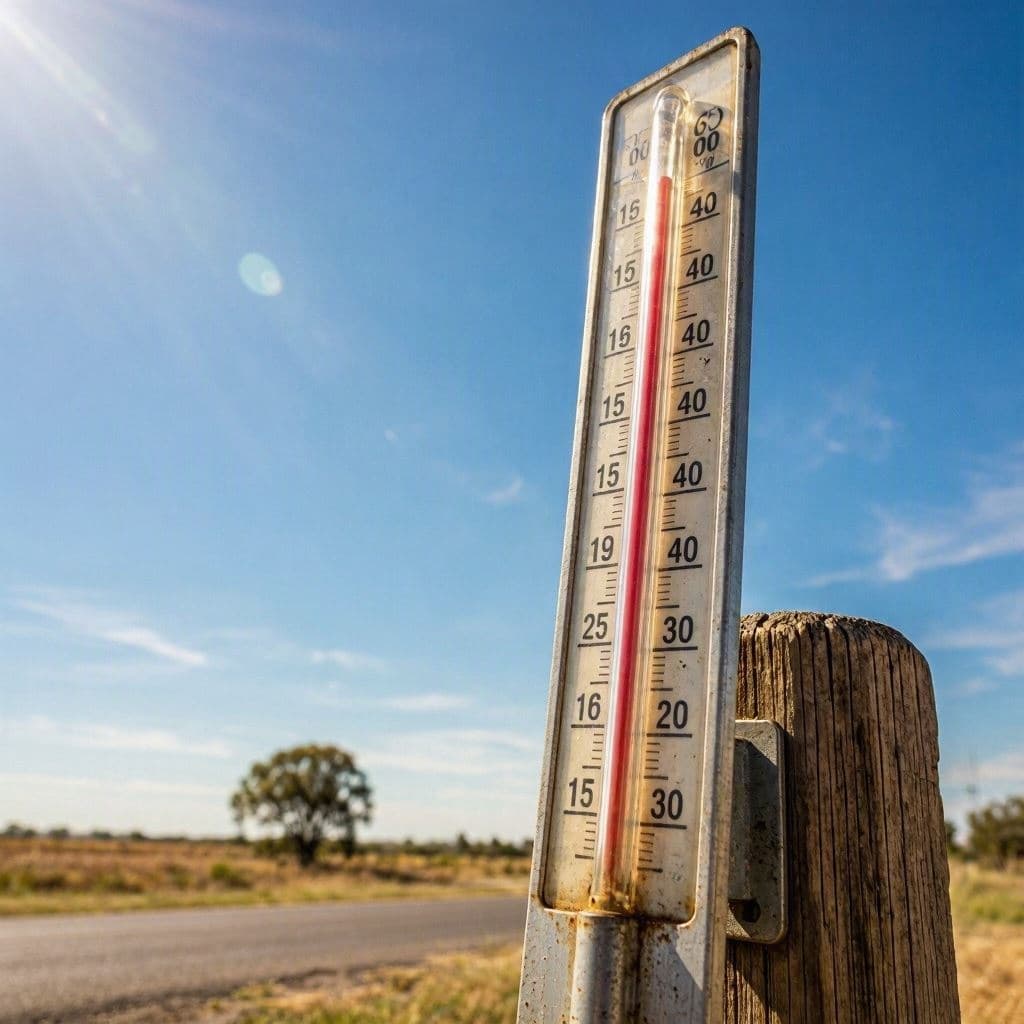
Summer often brings a gentle warmth, a season of long days and golden light that invites outdoor leisure. Yet, in recent years, this warmth has intensified into something more formidable, reshaping our understanding of seasonal norms. July 2026 marked another chapter in this evolving narrative, with heat records stacking up across the globe. From Europe to Asia, temperatures soared to unprecedented levels, stressing infrastructure and ecosystems alike. However, amidst this global trend, California presented a nuanced picture, standing apart in its specific climatic responses. This divergence invites reflection on the complex interplay between global climate patterns and local geography. It is a reminder that while the planet warms, the experience of that heat is not uniform.
Globally, July 2026 was confirmed as one of the hottest months on record, continuing a streak of extreme thermal events. Average temperatures in many regions exceeded historical baselines by significant margins, leading to widespread health advisories and energy demands. The persistence of these high temperatures underscores the ongoing challenge of climate adaptation. Communities worldwide are grappling with the reality of a hotter world, seeking ways to cool urban spaces and protect vulnerable populations. Resilience is becoming a daily practice.
In contrast, California’s experience was shaped by its unique coastal dynamics and topographical diversity. While inland areas faced intense heatwaves, the coastal influence moderated temperatures in many populated centers. This moderation, however, does not imply immunity. The state continues to face elevated risks of wildfires and drought, conditions exacerbated by higher baseline temperatures. The "standing apart" nature of California’s data reflects a complex balance of cooling ocean currents and heating atmospheric patterns. Complexity defines the local impact.
For residents, the heat is more than a statistic; it is a lived experience that affects daily routines. Adjusting work hours, staying hydrated, and seeking shade become essential strategies for coping. Public health officials emphasize the importance of community check-ins, ensuring that no one is left vulnerable to the sun’s intensity. Care for neighbors is a vital component of survival. Solidarity cools the spirit.
The agricultural sector also feels the weight of these temperature shifts. Crops require more water and protection from scorching rays, increasing production costs and challenging food security. Farmers are adopting new techniques, such as shade cloth and efficient irrigation, to mitigate losses. Innovation in agriculture is driven by necessity. Adaptation ensures continuity.
As the summer progresses, the focus remains on monitoring and response. Meteorologists continue to track weather patterns, providing updates that help communities prepare for potential spikes. Early warning systems are crucial for minimizing harm. Knowledge empowers action. Preparedness saves lives.
July 2026 saw global heat records break, yet California’s experience was moderated by coastal influences, highlighting regional climatic complexities. The state continues to manage risks of fire and drought. The hope is for effective adaptation and sustained community support.
AI Image Disclaimer: The visual elements accompanying this report are AI-generated interpretations designed to reflect the environmental and climatic context of the story.
Sources: NOAA Washington Post Berkeley Earth
Published by Banx Network. This article is part of the Banx decentralized media programme, powered by the BXE token on the XRP Ledger.