
Key Highlights
- Incident:A lightning strike killed a worker in Anuradhapura.
- Timing:The storm intensified rapidly, catching the victim off guard.
- Response:Local authorities secured the area and began investigations.
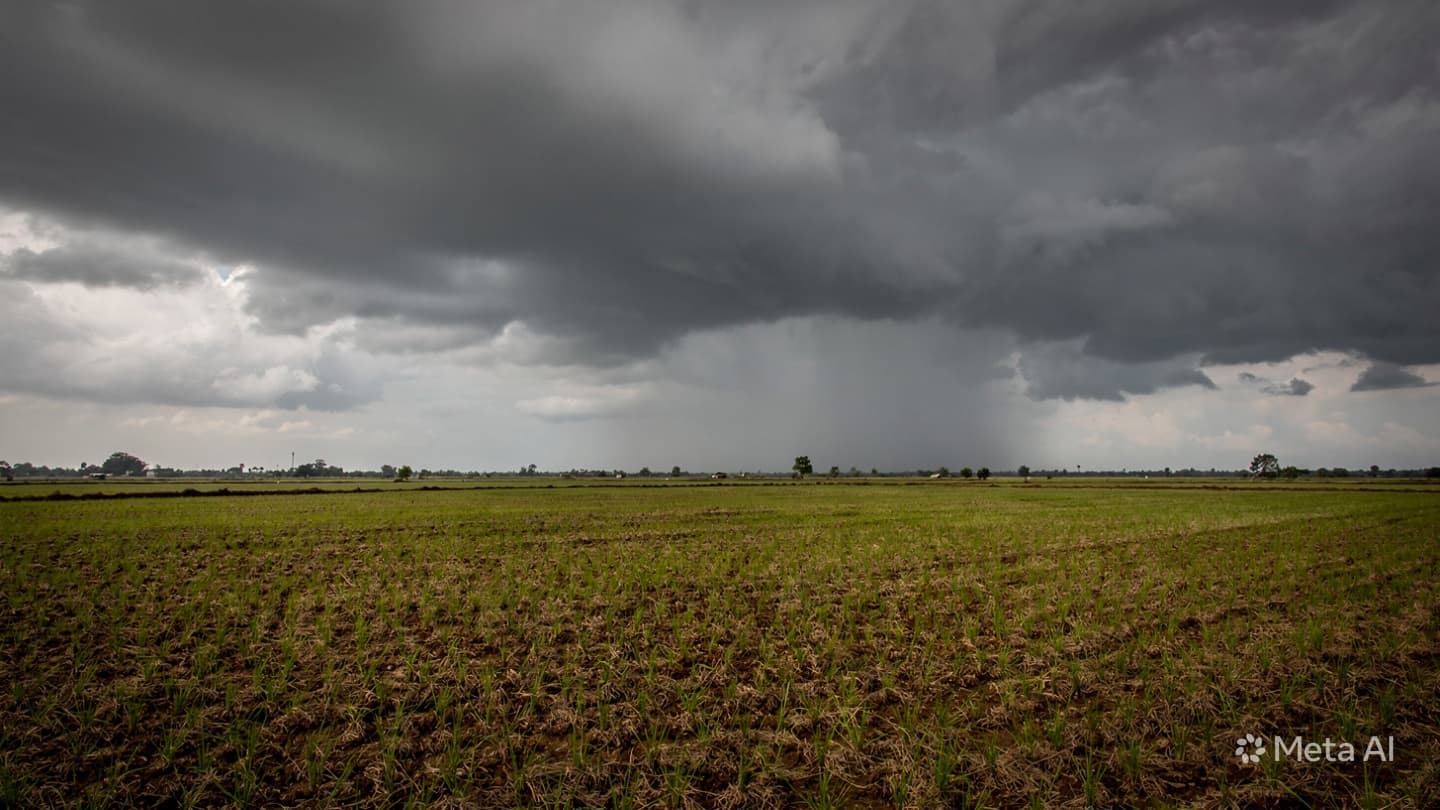
Anuradhapura, Sri Lanka—A solitary worker tragically lost his life this afternoon when a lightning bolt struck an open field during a sudden and severe storm. The victim was laboring in a remote area when the weather changed dramatically, with dark clouds rolling in within minutes. The strike occurred shortly after the Meteorology Department had issued regional alerts for the North-Central province, indicating heightened risks for severe weather.
Witnesses reported that bystanders in the vicinity were unable to provide immediate assistance due to the intensity of the lightning strike. The force of the discharge was so severe that it left the victim with no chance of survival. Local authorities arrived on the scene within an hour to secure the area and recover the body, which has since been moved to the mortuary for a formal post-mortem examination.
Despite frequent warnings during the monsoon transition, area residents often traverse these open plains. Agriculture remains the primary livelihood for many, forcing workers into exposed areas regardless of the weather's volatility. Witnesses described a single, deafening crack of thunder that preceded the lightning strike, underscoring the suddenness of the storm.
Emergency responders were dispatched promptly, but the damage was irreversible. Medical staff confirmed that the victim was pronounced dead before transport to the district hospital could be arranged. This incident highlights the critical need for improved public awareness regarding severe weather conditions, particularly in rural sectors where access to real-time updates is limited.
The Meteorology Department had previously categorized the Anuradhapura district as a high-risk zone for severe lightning activity. Officials have been advocating for better public awareness and safety measures in agricultural zones, yet many locals remain unaware of the specific risks until it is too late. Institutional friction complicates these safety efforts, as infrastructure for emergency warnings often fails to reach remote agricultural pockets.
Farmers continue their routines under darkening skies, often oblivious to the imminent dangers. This tragic death marks the latest in a series of weather-related fatalities across the northern districts this year. Authorities are now reviewing safety protocols for agricultural zones during peak storm months, although no specific changes to land management or work hours have been announced yet.
The investigation into the circumstances surrounding this incident is ongoing. Officials are gathering witness statements and checking regional radar logs to verify the timing of the strike, aiming to prevent future tragedies in the region.
Published by Banx Network. This article is part of the Banx decentralized media programme, powered by the BXE token on the XRP Ledger.



