
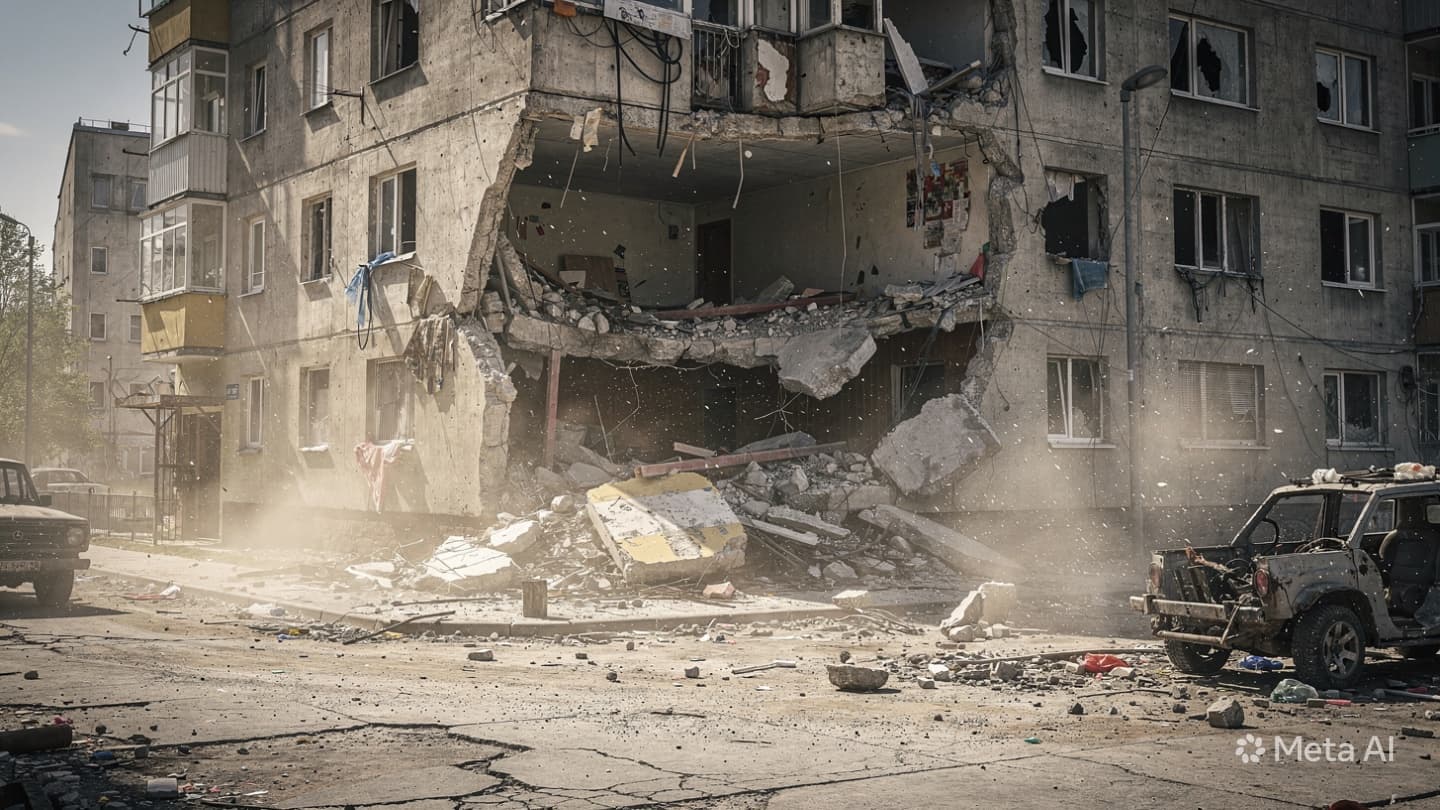
Omdurman, Sudan—A barrage of heavy artillery shells tore through a crowded residential neighborhood early this morning, killing at least fourteen civilians and destroying several concrete homes. The bombardment struck during a period of high foot traffic when residents were moving between local markets and homes. Emergency medical teams arriving at the scene reported pulling victims from beneath collapsed brick walls and burning debris while remote detonations continued to echo through the sector.
The neighborhood has become a primary flashpoint in the ongoing urban warfare dissecting the Khartoum metropolitan area. Local volunteers operating an emergency clinic confirmed that the dead include entire families who were inside their homes when the first shells penetrated their roofs. Shrapnel from the explosions raked across narrow alleyways, injuring dozens of bystanders and severing local power lines.
Ambulances struggled to navigate the cratered roads to evacuate the critically wounded to the few functional medical facilities remaining in the city. Hospital workers reported a severe shortage of surgical supplies, blood bags, and clean water, forcing doctors to treat patients on blood-stained floors. Hospital staff expect the death toll to rise as more bodies are recovered from deep beneath the rubble.
Military commanders from the warring factions traded blame for the strike through brief statements posted on social media platforms. One faction claimed it targeted an active sniper position and an ammunition depot hidden within the civilian infrastructure. The opposing force issued a counter-statement denying any military presence in the targeted block, accusing their rivals of deliberately terrorizing local populations to clear the territory.
Terrified residents began packing whatever belongings they could carry onto small trucks and carts immediately after the shelling paused. Streets leading away from the blast zone are choked with families fleeing toward peripheral villages that lack food and sanitation infrastructure. Neighborhood committees warn that these displacement routes remain highly vulnerable to sudden ambush and secondary artillery fire.
International monitoring groups tracking the conflict note that the use of unguided, wide-area explosive weapons in densely populated districts has become a routine tactic for both sides. The lack of precision targeting systems ensures high civilian casualty rates every time a battery opens fire. Local emergency services remain completely uncoordinated due to severed communication networks and a lack of fuel for emergency vehicles.
A thick plume of gray smoke hung over the Omdurman skyline through the afternoon as small fires continued to burn unattended in the ruins. Neighbors used shovels, iron bars, and their bare hands to clear debris from a collapsed kitchen where voices could still be heard muffled beneath the concrete. No heavy machinery is available to assist in the rescue operation.
The local market area closest to the strike remains completely deserted, with abandoned stalls and scattered goods left behind in the panic. Military patrols have since blocked off the main access points to the neighborhood, preventing journalists and independent observers from documenting the full extent of the structural damage.
Published by Banx Network. This article is part of the Banx decentralized media programme, powered by the BXE token on the XRP Ledger.


