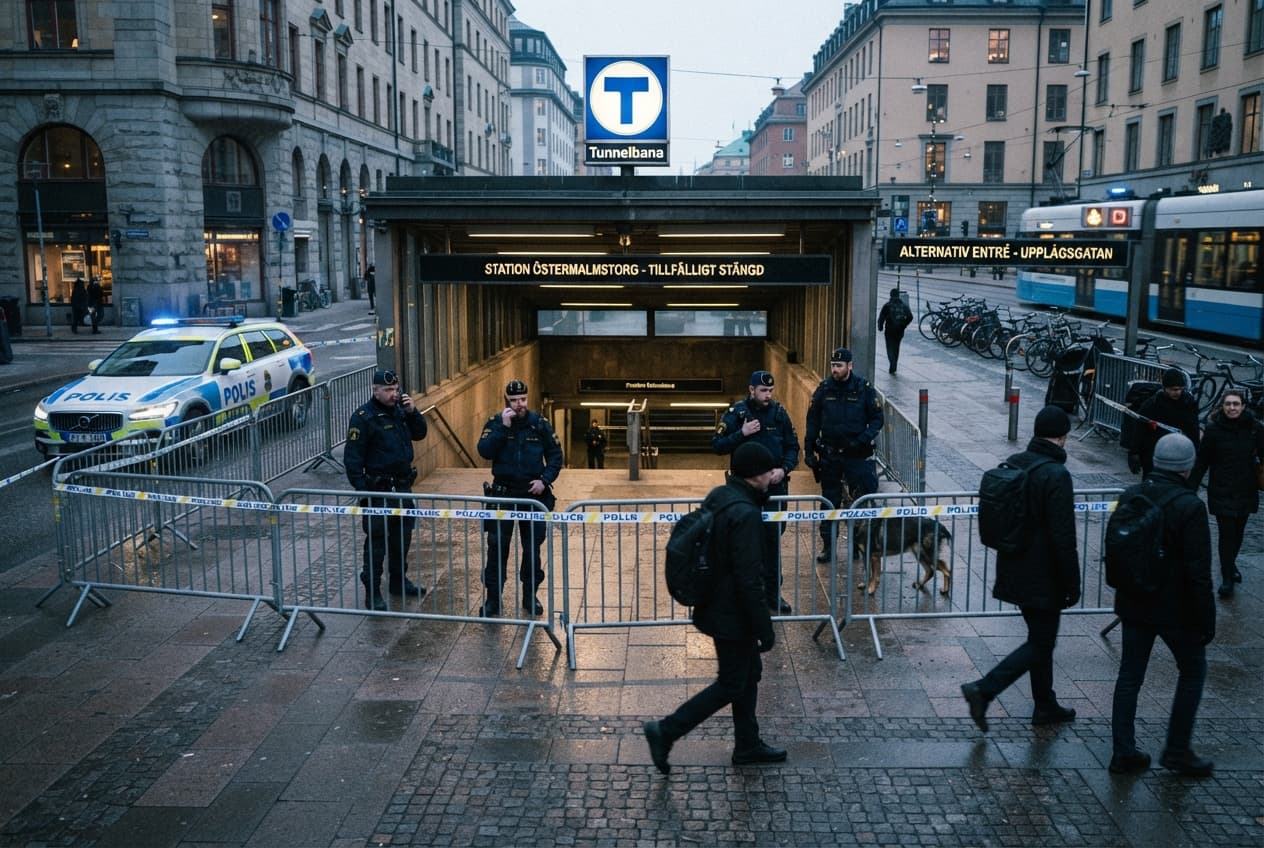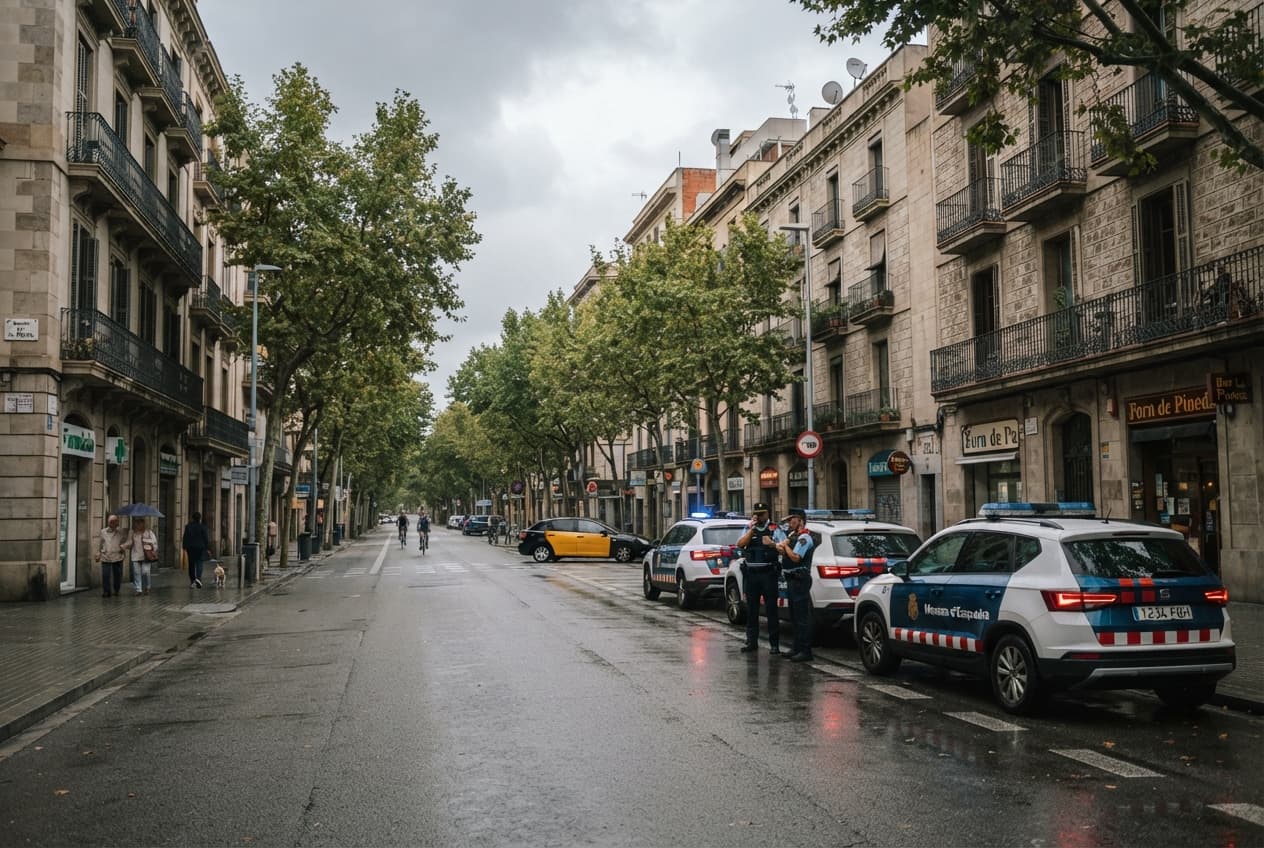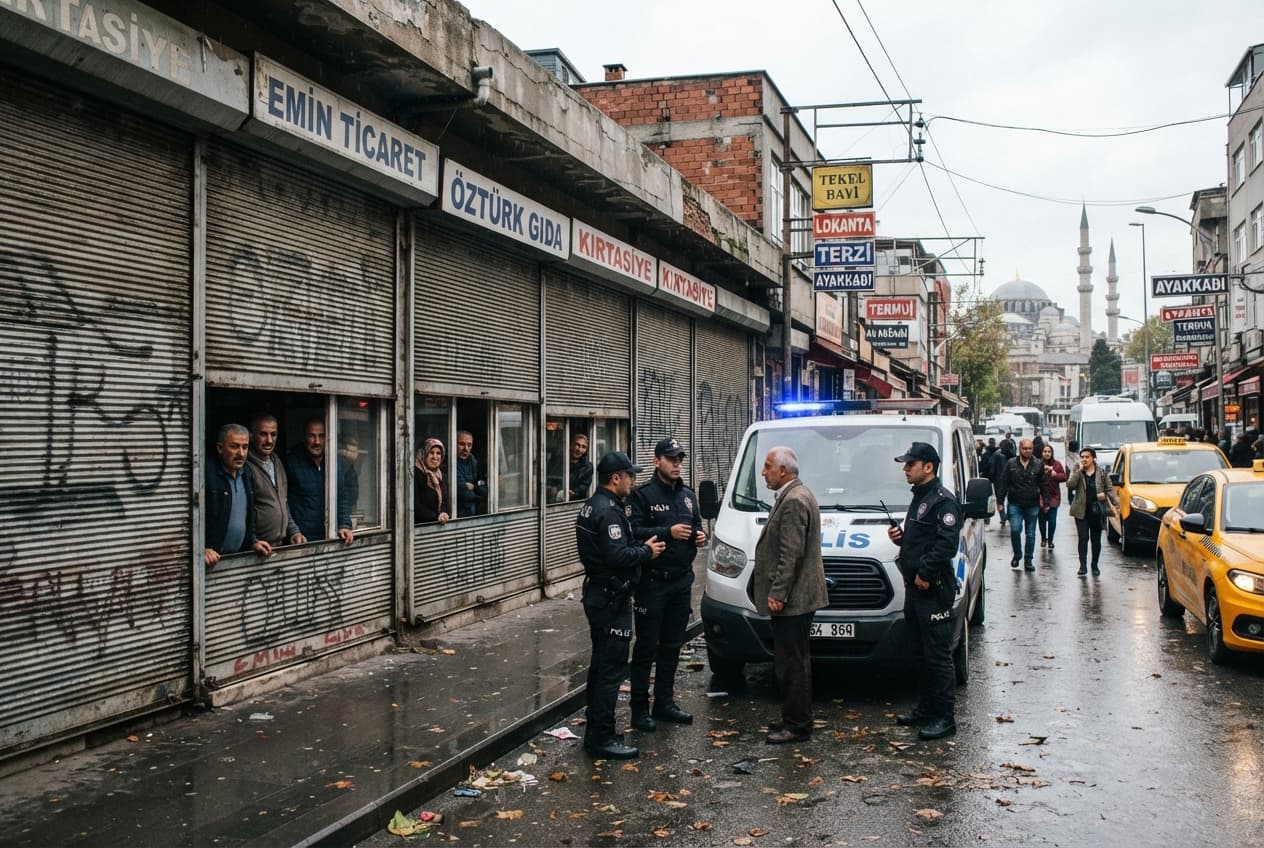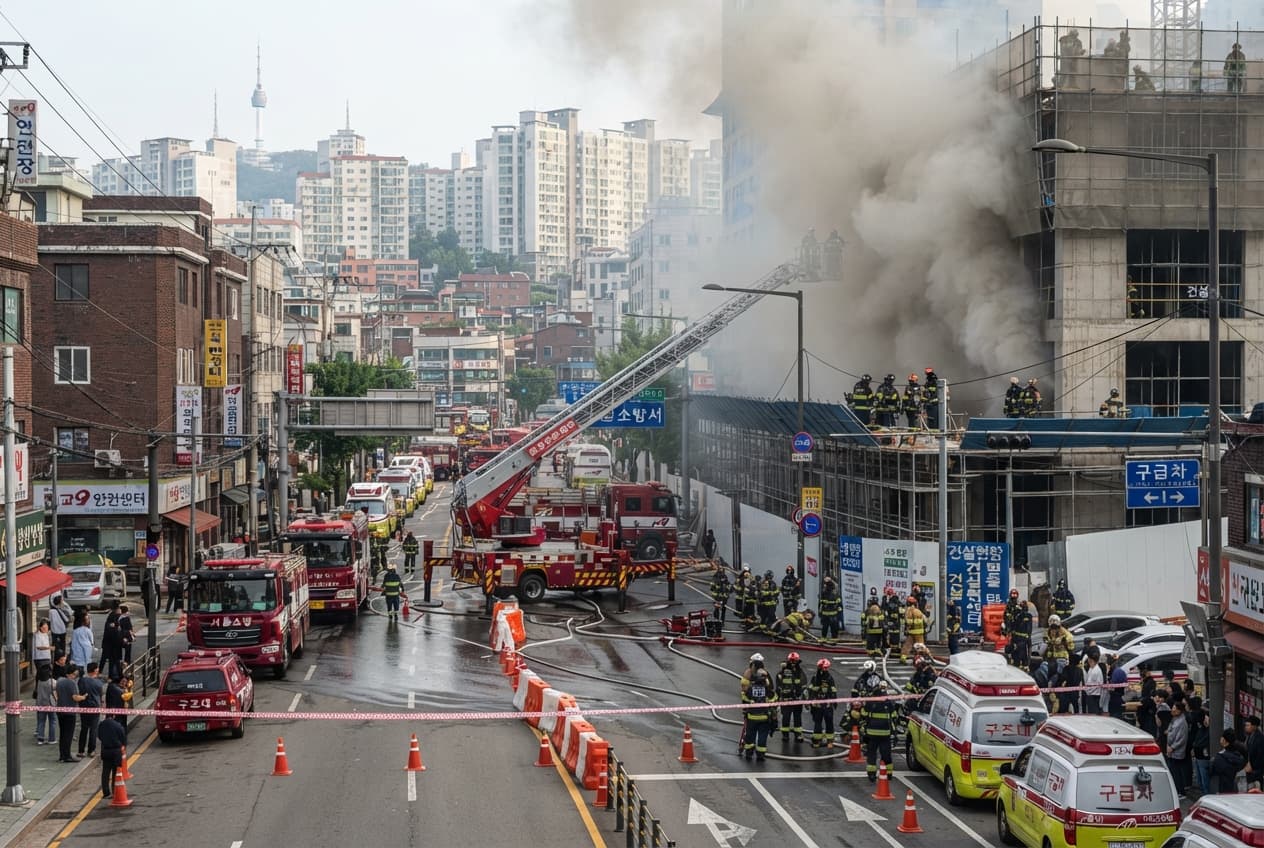
Seoul, South Korea—The blast shook foundations blocks away from the downtown excavation trench. Gas hissed from the ruptured main before igniting into a roaring orange fireball. Workers scrambled up muddy scaffolding ropes as the ceiling of the subterranean passage caved in. Sirens wailed across the district within minutes of the initial tremor. Thick black smoke billowed out from the main access shaft, coating nearby storefronts in ash. Police officers formed wide perimeter cordons to keep panicked onlookers back from the danger zone.
Medical triage tents went up on the asphalt outside the main station entrance. Paramedics rushed stretchers toward waiting ambulances with flashing blue lights spinning. One construction worker was pronounced dead at the scene by attending physicians. Three others suffered severe trauma and burns, requiring emergency transport to regional trauma centers. Firefighters sprayed high-pressure foam down into the smoldering cavity to prevent secondary detonations. Utility technicians scrambled to locate the manual shutoff valves hidden beneath the flooded street.
Residents in adjacent high-rise apartment blocks evacuated down stairwells carrying pets and valuables. Local transit authorities suspended rail operations on the affected line indefinitely. Commuters flooded neighboring bus stations, overwhelming municipal transport networks during the afternoon rush. City officials faced immediate hostile questions from reporters regarding inspection records and safety compliance. Municipal engineers admitted that excavation permits had been renewed without updated geological stress tests.
The corporate contractor responsible for the tunneling project declined immediate requests for formal statements. Investigators from the national safety board descended into the subterranean zone once gas levels stabilized. Initial forensic assessments pointed toward heavy excavation equipment striking an unmarked utility line. Pavement surrounding the collapse zone began to show secondary fissures by early evening. Heavy tow trucks hauled damaged machinery away from the lip of the crater under floodlights.
Bystanders gathered behind police tape, staring silently at the gaping hole in their neighborhood. Local business owners shuttered shops as power was cut to the entire commercial block. Municipal water mains running parallel to the gas line also ruptured, flooding nearby basements. Repair crews waded through knee-deep water to patch fractured pipes before night temperatures dropped. City hall announced an emergency review of all active underground construction projects across the capital.
The ongoing investigation will require weeks of forensic excavation and witness interviews. Families of the victims demanded full accountability from both corporate executives and municipal regulators. Public anger over urban infrastructure standards reached a boiling point across social media platforms. Engineers continued shoring up weakened retaining walls to prevent further structural slippage overnight. The scar in the middle of the boulevard remains heavily guarded by armed police units.
Published by Banx Network. This article is part of the Banx decentralized media programme, powered by the BXE token on the XRP Ledger.