Science has always begun with curiosity — a question asked, a mystery explored, and a willingness to look beyond what is immediately visible. High above the ground, where clouds meet technology, a group of students is discovering that the Earth itself can become a living classroom. Through NASA’s airborne research programs, young scientists are gaining a rare opportunity to study the planet from a perspective few people experience.
NASA’s Student Airborne Research Program (SARP) provides undergraduate students with hands-on experience in Earth science research. The program allows participants to work with NASA airborne science aircraft, helping collect measurements and analyze data related to the atmosphere, land, oceans, and other Earth systems.
Unlike traditional classroom lessons, airborne field research places students directly inside the scientific process. Participants assist with research campaigns, observe how instruments are operated, and learn how measurements gathered from aircraft can support a deeper understanding of environmental changes across the planet.
The aircraft used in NASA’s airborne science efforts function as flying laboratories. Equipped with specialized instruments, these platforms allow researchers to study conditions that may be difficult to examine from the ground alone. Students working alongside scientists gain insight into how technology transforms observations into meaningful scientific information.
Research areas within the program include atmospheric chemistry, air quality, forest ecology, ocean biology, and other aspects of Earth system science. By studying these interconnected fields, students learn that the planet operates as a network of relationships where changes in one area can influence many others.
The experience also introduces students to the careful rhythm of scientific investigation. Data collection requires patience, accuracy, and teamwork. Behind every measurement is a process of preparation, analysis, and discussion — a reminder that discoveries often emerge through many small steps rather than a single moment of revelation.
For many participants, the program represents more than a research opportunity. It becomes an early chapter in a scientific journey, connecting academic knowledge with real-world challenges. Working with mentors and researchers helps students develop skills that may guide their future careers in science, engineering, and environmental research.
As Earth faces growing questions about climate, ecosystems, and environmental change, preparing the next generation of researchers becomes increasingly important. Programs like NASA’s airborne field research initiatives create a bridge between today’s scientific knowledge and tomorrow’s discoveries.
Through these student missions in the sky, NASA continues to show that exploration is not only about reaching distant worlds. Sometimes, the most meaningful discoveries begin by looking carefully at the planet beneath our feet.
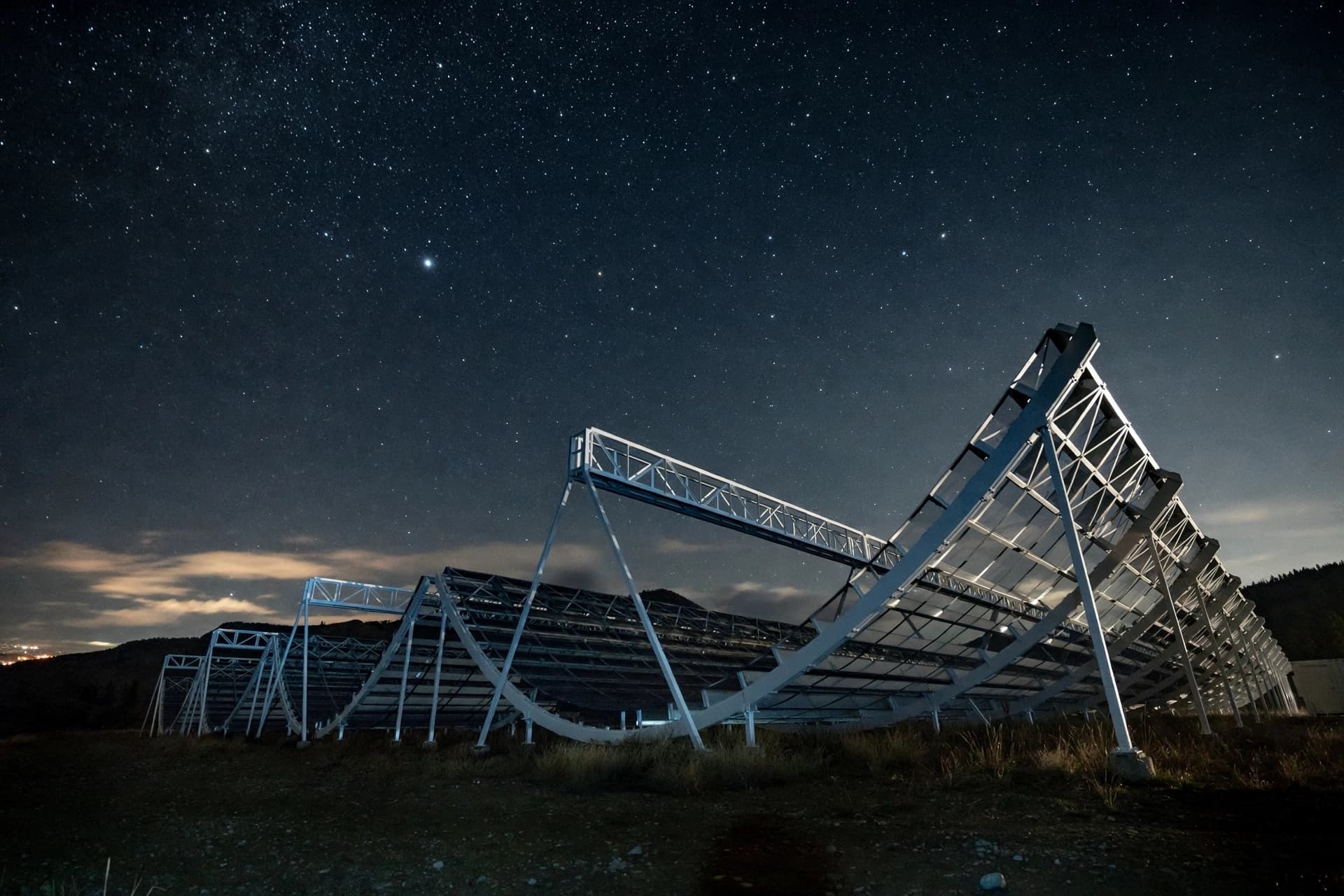
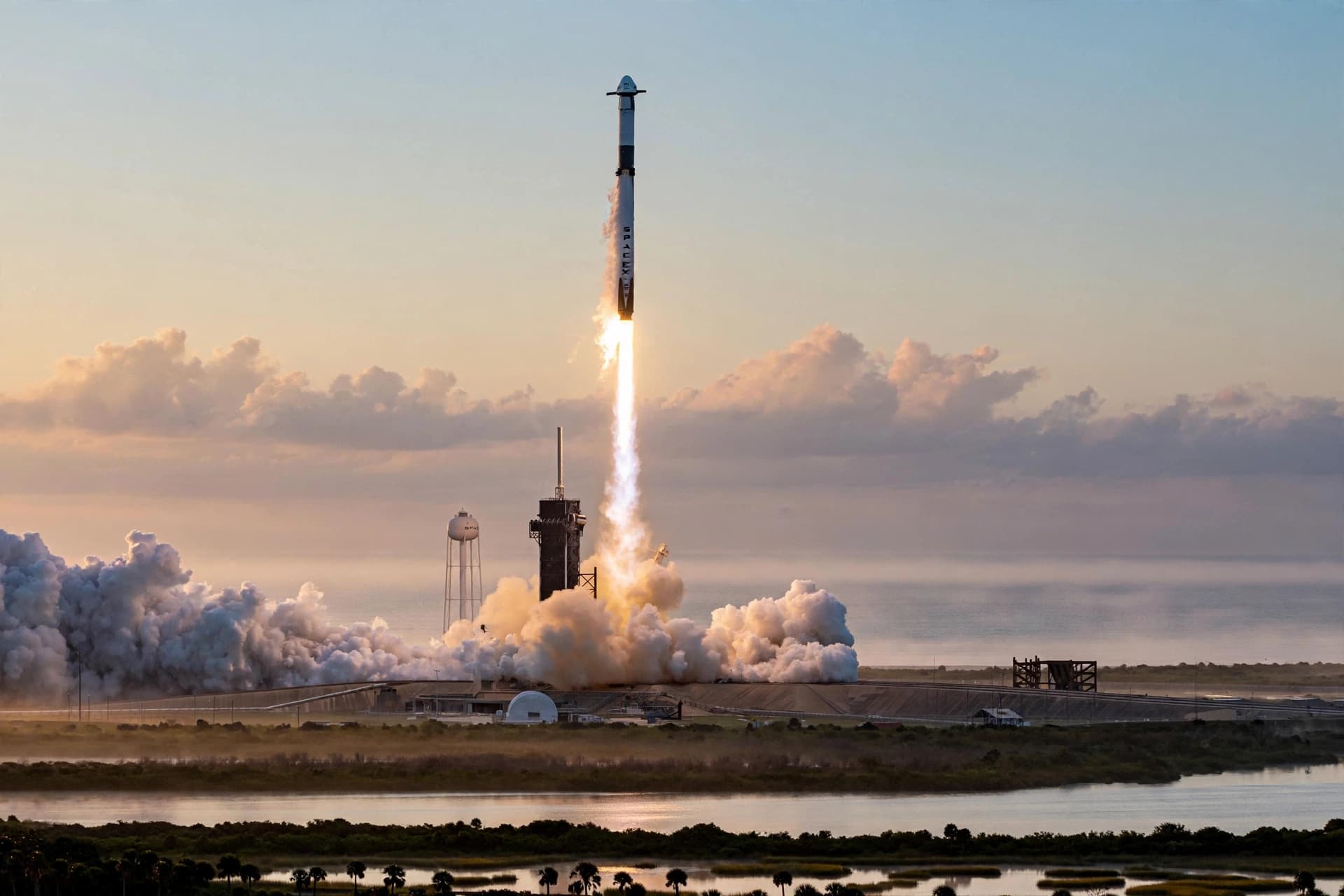
AI Image Disclaimer: The images accompanying this article are AI-generated illustrations representing NASA student airborne research activities. They are conceptual visuals and are not actual photographs of specific research flights.
Sources:
NASA Science NASA NASA Technical Reports Server NASA Goddard Space Flight Center
Published by Banx Network. This article is part of the Banx decentralized media programme, powered by the BXE token on the XRP Ledger.