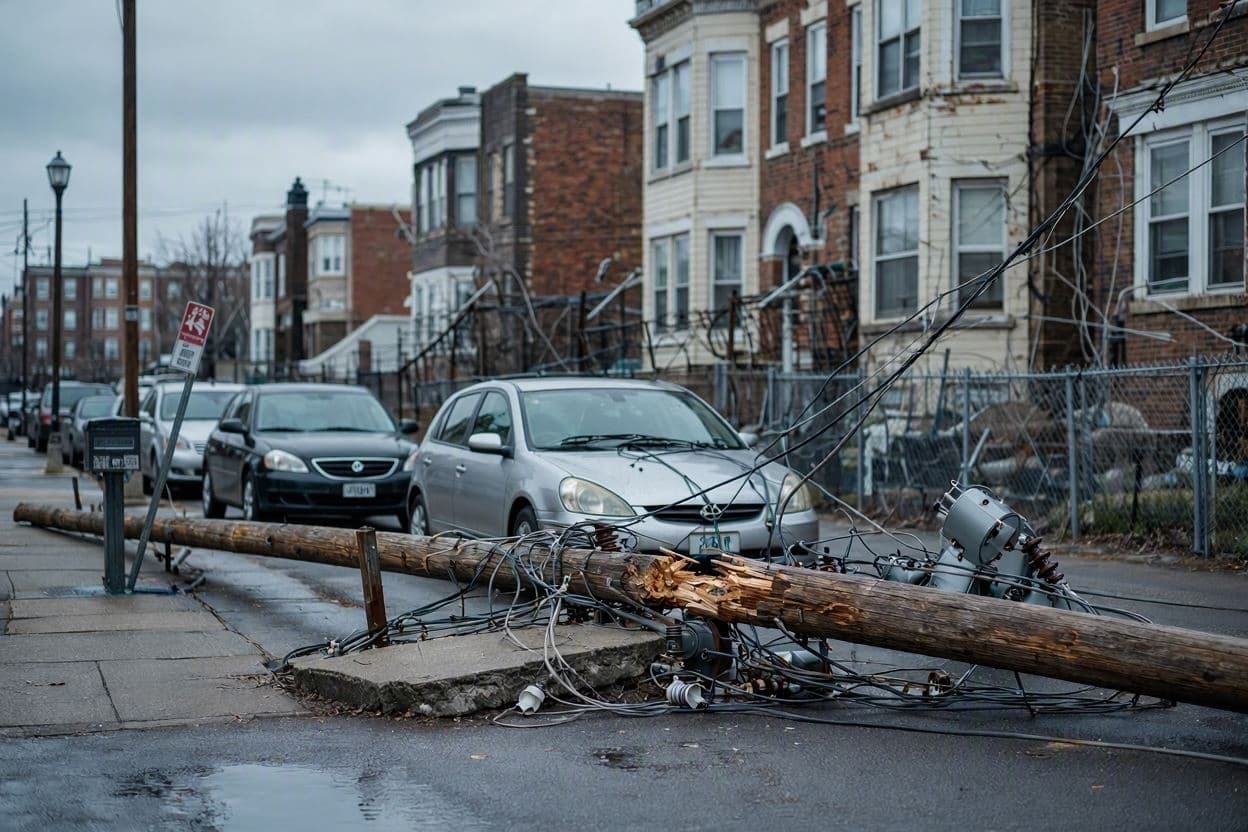
The winds that sweep through Hobart are often a source of natural beauty, shaping the landscape and cooling the air. But recently, they turned fierce, revealing their raw power in a dramatic display of wild weather. A street pole in the city center was toppled by strong gusts, causing disruption to traffic and power supplies. The incident serves as a vivid reminder of the unpredictability of nature and the importance of infrastructure resilience in the face of extreme conditions.
The event occurred during a period of intense weather activity, with wind speeds reaching levels that challenged the stability of urban structures. The falling pole brought down power lines, leaving some residents without electricity and forcing road closures for safety repairs. Emergency crews responded quickly to secure the area and begin restoration work. Their efforts minimized the duration of the outage, but the inconvenience was felt by many commuters and locals.
For Hobartians, such weather events are not uncommon, but each instance brings its own set of challenges. The city’s older infrastructure, while charming, can be vulnerable to the forces of nature. Maintenance and upgrades are ongoing priorities for local councils, aiming to strengthen poles, lines, and other utilities against high winds. This incident highlights the need for continued investment in public assets to ensure reliability and safety.
The environmental context of the storm is also significant. Climate change is contributing to more frequent and intense weather events, including stronger winds and heavier rainfall. Understanding these trends is crucial for planning and adaptation. Engineers and planners are incorporating climate data into their designs, ensuring that new infrastructure can withstand future extremes. It is a proactive approach to building a more resilient city.
Public safety was the primary concern during the cleanup. Authorities warned residents to avoid downed power lines and to stay indoors if possible. These precautions are essential for preventing accidents and injuries. Community cooperation played a key role in managing the situation, with people reporting hazards and following official advice. It is a testament to the civic responsibility of Hobart’s residents.
The economic impact of such disruptions, while temporary, is notable. Businesses reliant on power and access may suffer losses, and repair costs add to municipal budgets. Insurance claims and government funding often cover these expenses, but the burden on resources is real. Investing in prevention is often more cost-effective than reacting to damage, a lesson that policymakers keep in mind.
As the weather stabilizes, the focus shifts to assessment and improvement. Inspections of other poles and lines are being conducted to identify potential weaknesses. Preventive maintenance can reduce the risk of future failures, ensuring that the city remains functional and safe. It is a continuous cycle of care and attention that keeps urban life running smoothly.
In the end, the toppling of the street pole is a small but significant event in Hobart’s story. It reminds us of the power of nature and the fragility of our built environment. By respecting the elements and preparing for their impact, we can build a city that stands strong against the wind. The cleanup is complete, but the lesson remains: resilience is key to thriving in a changing world.
AI Image Disclaimer: The visual aids included here are AI-generated illustrations depicting stormy weather and urban infrastructure, not actual photographs of the specific fallen pole in Hobart.
Sources: ABC News Tasmania The Mercury 9News Hobart
Published by Banx Network. This article is part of the Banx decentralized media programme, powered by the BXE token on the XRP Ledger.