
Key Highlights
- Infrastructure Review:Australian authorities are assessing transportation and utility systems ahead of severe weather.
- Emergency Coordination:Local governments are collaborating with emergency agencies to enhance response efficiency.
- Economic Impact:Resilient infrastructure supports businesses and reduces recovery costs after storms.
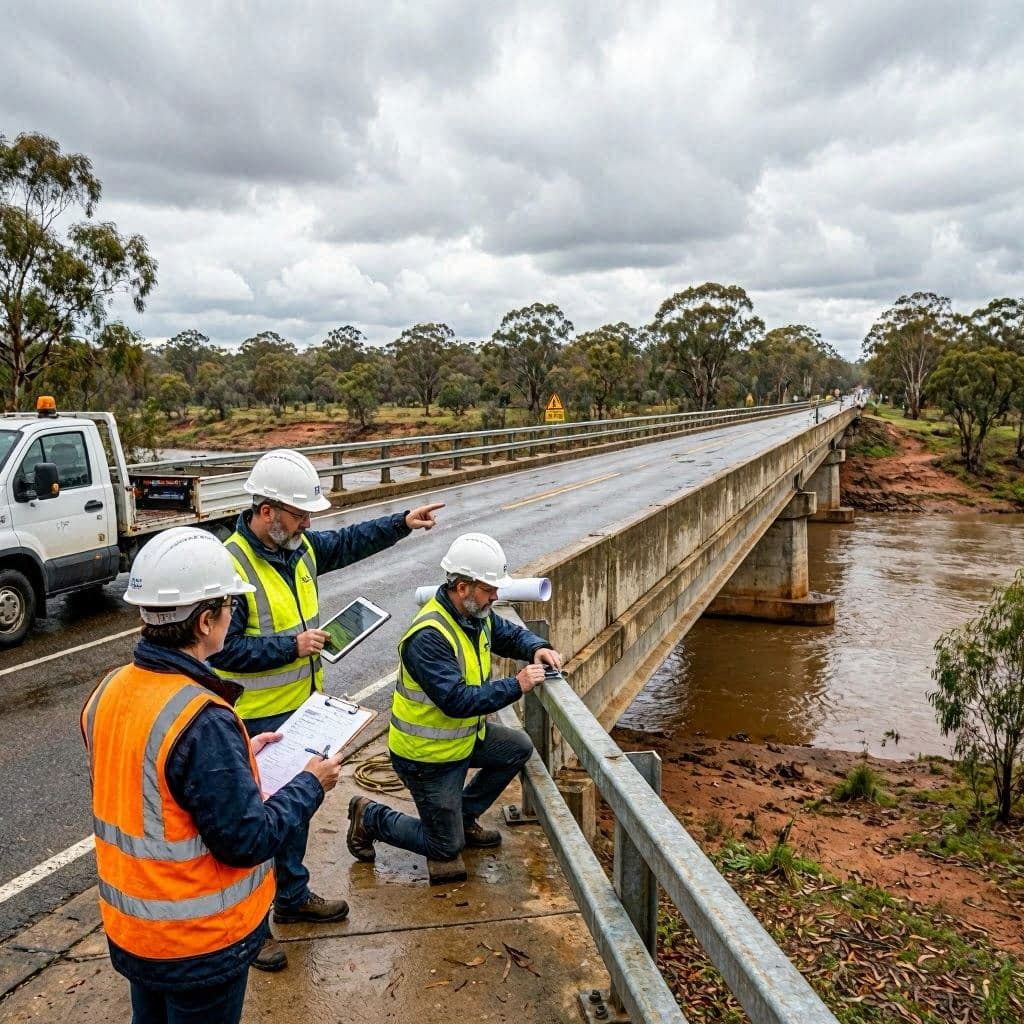
As forecasts indicate severe weather approaching parts of Australia, government officials are prioritizing the resilience of critical infrastructure. This includes a comprehensive review of transportation networks, flood control systems, and public utilities to ensure they can withstand the anticipated heavy rainfall. The proactive measures taken by authorities aim to safeguard communities and maintain essential services during extreme weather events.
In light of past floods and storms that have severely impacted Australian communities, infrastructure resilience has gained significant attention. Engineers and emergency planners are collaborating to identify vulnerable areas that may require enhanced monitoring and support as the weather event unfolds. This collaborative approach is crucial for ensuring that the infrastructure can handle the stress of severe conditions.
Road maintenance teams are actively inspecting drainage systems and clearing debris from waterways to mitigate the risk of localized flooding. Utility providers are also reviewing their emergency protocols to minimize potential disruptions to electricity and communication networks. These efforts are part of a broader strategy to enhance the durability of essential public services, which has been shaped by lessons learned from previous weather-related incidents.
Local governments are maintaining close communication with emergency management agencies as weather forecasts evolve. This coordination allows for a more efficient response should conditions worsen in the coming days. By sharing information and resources, authorities can better position themselves to address any challenges that arise from the severe weather.
Economic experts emphasize that resilient infrastructure not only aids in emergency response but also supports ongoing business operations. Reliable transportation, utilities, and communication systems are vital for businesses to continue functioning during adverse weather conditions. This resilience ultimately reduces recovery costs and helps communities bounce back more quickly after storms.
Meteorologists are continuously updating weather information as atmospheric conditions develop. Their forecasts play a critical role in helping public agencies determine where to allocate additional resources before the heaviest rainfall arrives. While severe weather cannot always be prevented, adequate preparation can significantly lessen its impact on communities.
Australia's ongoing infrastructure reviews reflect a long-term commitment to strengthening community resilience and protecting essential public services. By investing in robust infrastructure, the country aims to ensure that its communities are better equipped to face the challenges posed by severe weather events.
Published by Banx Network. This article is part of the Banx decentralized media programme, powered by the BXE token on the XRP Ledger.



