
Key Highlights
- NATO has expanded joint military exercises across Europe to enhance readiness.
- Exercises involve multiple member states and cover various operational domains.
- Continued cooperation is vital for regional security and crisis management.
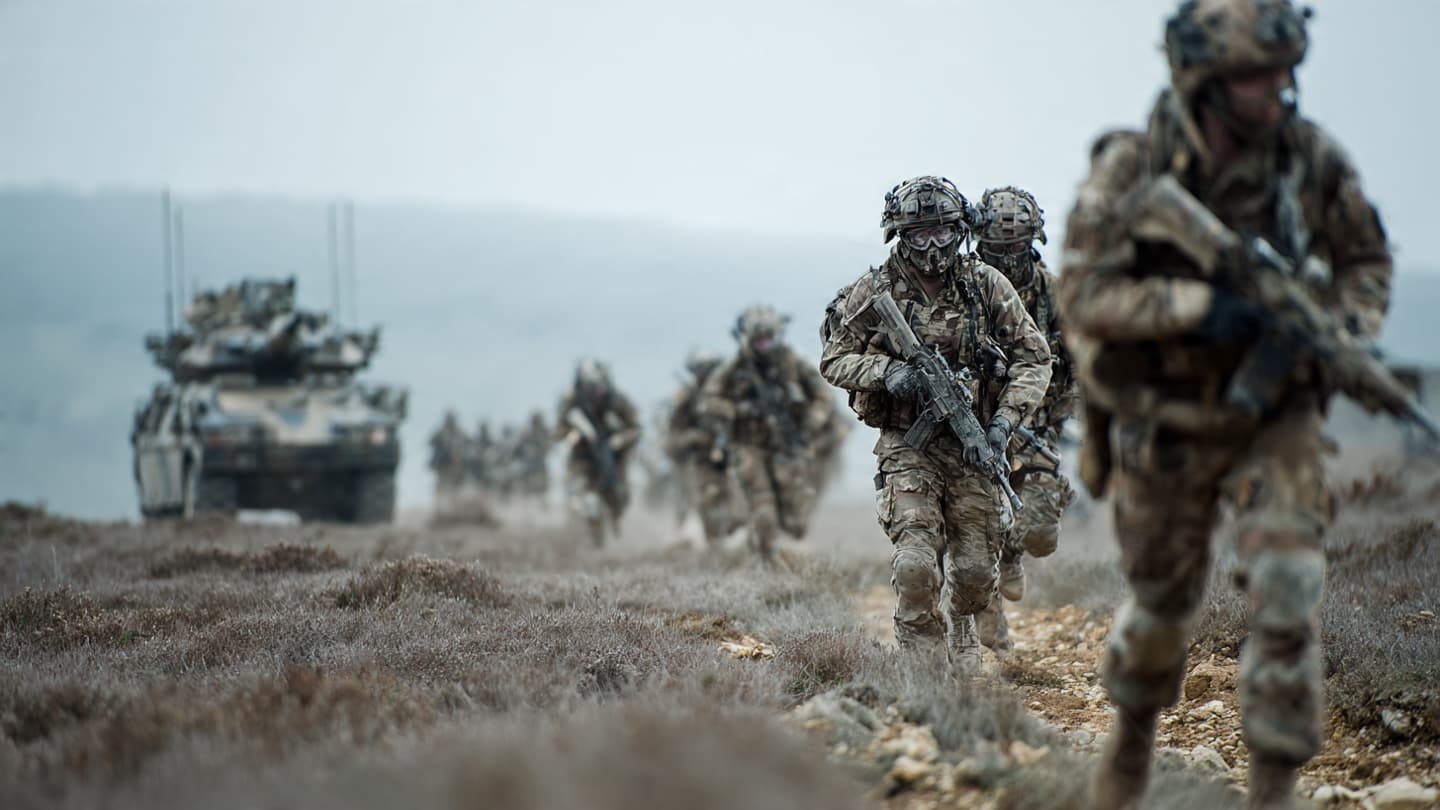
NATO military exercises, often conducted away from the public eye, play a crucial role in maintaining the readiness and coordination of allied forces. These exercises, which include land, air, naval, and cyber operations, are designed to ensure that NATO member states can effectively collaborate in the face of future challenges. Recently, the United States and its NATO allies have significantly increased the scale and frequency of these joint military exercises throughout Europe.
According to defense officials, these exercises involve personnel from various NATO member countries, reflecting a commitment to collective defense. The training activities are meticulously planned as part of NATO's regular training calendar, aimed at enhancing operational readiness and improving logistics coordination among the participating forces. This proactive approach is essential for ensuring that NATO can respond swiftly and effectively to any potential threats.
NATO representatives emphasize that these multinational exercises provide invaluable opportunities for sharing operational experiences and testing new technologies. They also allow forces to practice a range of scenarios, from humanitarian missions to crisis management operations. As security analysts point out, NATO has been adapting its training programs to meet the evolving geopolitical landscape and advancements in military technology, with a growing focus on cybersecurity, intelligence sharing, and integrated command systems.
Support for continued alliance cooperation has been voiced by several European governments, who view joint training as a critical component of regional security and collective preparedness. Officials have reiterated their commitment to maintaining open diplomatic channels alongside defense planning, recognizing that strong alliances are built on both military readiness and effective communication.
The current series of exercises is set to unfold over several weeks at various training locations across Europe. Military authorities have coordinated closely with local governments to minimize disruptions while ensuring operational safety throughout the training period. This careful planning underscores NATO's dedication to maintaining a robust defense posture while respecting the communities in which they operate.
As regional security dynamics continue to evolve, joint military exercises remain one of NATO's primary tools for fostering cooperation among member states. These exercises not only demonstrate the alliance's readiness but also reinforce the long-standing partnerships that have shaped transatlantic security for decades. By investing in these collaborative efforts, NATO aims to ensure that its member states are well-prepared to face any challenges that may arise in the future.
Published by Banx Network. This article is part of the Banx decentralized media programme, powered by the BXE token on the XRP Ledger.



