In the quiet rhythm of daily life, a silent threat is growing among younger adults. Recent studies reveal that stroke rates among individuals aged 20 to 54 have nearly doubled over the past three decades, a trend that health experts describe as deeply concerning. This shift challenges the traditional view of stroke as an ailment of the elderly, highlighting the impact of modern lifestyle factors on cardiovascular health. It is a wake-up call for a generation that often feels invincible. Health is fragile.
The rise in strokes is driven by a combination of factors, including increasing rates of hypertension, diabetes, and obesity. Substance use, particularly opioids and stimulants, has also been linked to this surge. These conditions, once rare in younger populations, are now becoming commonplace. Lifestyle shapes destiny. Choices have consequences.
Researchers point to changes in diet, physical activity, and stress levels as contributing causes. The fast-paced nature of modern life often leads to poor health habits, such as skipping meals, lack of sleep, and sedentary behavior. Balance is essential for well-being. Moderation protects health.
For those affected, the impact is profound. A stroke at a young age can lead to long-term disability, affecting careers, relationships, and quality of life. The emotional toll on families is significant, requiring extensive support and rehabilitation. Resilience is tested. Recovery is a journey.
Prevention is the most powerful tool against this trend. Regular check-ups, healthy eating, and exercise can significantly reduce risk. Public health campaigns are increasingly targeting younger demographics to raise awareness. Education saves lives. Awareness prevents harm.
Healthcare providers are adapting to this new reality, emphasizing early detection and intervention. Screening for risk factors in younger adults is becoming a standard part of preventive care. Proactivity preserves health. Vigilance saves lives.
Community support plays a crucial role in helping survivors navigate their recovery. Support groups and resources provide hope and practical advice. Connection heals wounds. Solidarity strengthens spirit.
In the end, the doubling of stroke rates among young adults is a serious public health challenge. It calls for collective action to promote healthier lifestyles and better medical care. As we face this trend, the hope is for a future where youth is synonymous with vitality. Health is wealth.
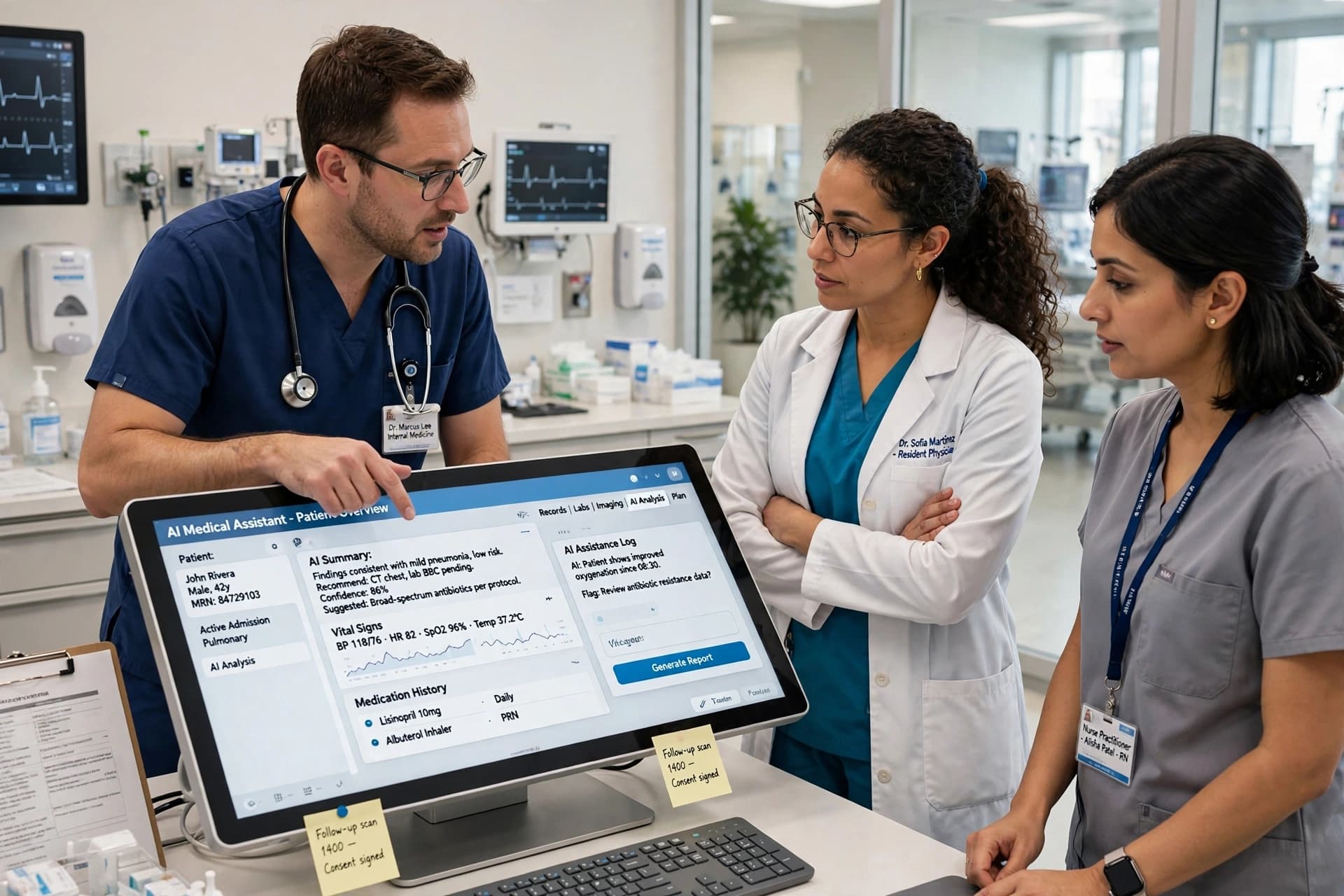
AI Image Disclaimer: The visual aids included here are AI-generated illustrations depicting health themes and medical concepts, not actual photographs of specific patients or medical facilities.
Sources: CNN Health University of Cincinnati News CDC
Published by Banx Network. This article is part of the Banx decentralized media programme, powered by the BXE token on the XRP Ledger.