
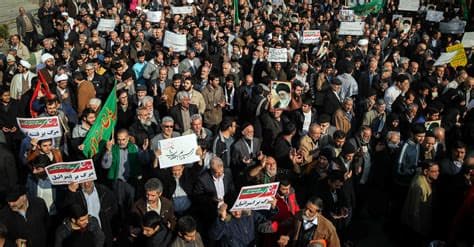
Key Highlights
- Strikes:Widespread strikes are disrupting daily life across Iran.
- Protests:Large crowds are rallying in support of Mojtaba Khamenei.
- Economic Concerns:Demonstrators voice frustrations over economic instability and government policies.
Widespread strikes are currently shaking Iran, as large crowds rally in support of Mojtaba Khamenei, the son of Supreme Leader Ali Khamenei. These demonstrations reflect the complex political landscape in the country, with workers from various sectors participating in the strikes to voice their frustrations over deteriorating economic conditions and government policies.
Protesters have expressed their backing for Mojtaba Khamenei, viewing him as a potential leader who could address grievances related to economic instability, rampant corruption, and the lack of social freedoms. The rallies are characterized by a mix of support and dissent, indicating a growing unrest among the populace as they demand significant change in their governance and living conditions.
The strikes have disrupted daily life in several cities, with workers in key industries such as oil, education, and transportation participating. Reports indicate that the strikes have led to significant delays and interruptions in services, further exacerbating the frustrations of citizens who are already grappling with high inflation and unemployment rates. The Iranian government has responded by urging calm and emphasizing the need for national unity in the face of external pressures, particularly from Western nations.
As the situation develops, the dynamics between the protesters and the government are evolving. Observers are questioning how these events may influence Iran's future leadership and its approach to pressing social issues. The support for Mojtaba Khamenei could signal a shift in the political landscape, but it also raises concerns about potential government crackdowns on dissent, as authorities may view the protests as a threat to their power.
This unfolding scenario highlights the intersection of labor rights, political ambition, and public sentiment in Iran. Citizens are navigating their demands for change amid a complex and often volatile environment, where the balance between support for a new leader and the fear of government repression creates a tense atmosphere.
The coming days will be crucial in determining whether the strikes and protests will lead to meaningful change or if they will be met with a heavy-handed response from the government. As the Iranian populace continues to rally for their rights and express their frustrations, the world watches closely to see how this pivotal moment in Iran's history will unfold.
Published by Banx Network. This article is part of the Banx decentralized media programme, powered by the BXE token on the XRP Ledger.



