As winter approaches, the conflict in Ukraine continues to exact a heavy toll on civilian lives. Recent Russian strikes have killed eight people and wounded dozens more, targeting infrastructure and residential areas. Amidst this violence, President Vladimir Putin issued a stark warning to European nations, stating that the deployment of troops to Ukraine would be viewed as a direct act of war against Russia. The combination of lethal attacks and rhetorical escalation underscores the enduring intensity of the conflict.
The strikes, which utilized missiles and drones, hit various regions, causing significant damage to power grids and homes. For Ukrainians, these attacks are a grim reminder of the vulnerability of daily life in a war zone. The destruction of energy infrastructure ahead of winter is particularly concerning, as it threatens to leave millions without heat and electricity during the coldest months. Resilience, however, remains a defining characteristic of the Ukrainian response.
Putin’s warning to Europe reflects Moscow’s growing anxiety about the potential for direct NATO involvement. While several European countries have discussed sending military instructors or peacekeeping forces, no combat troops have been deployed. The Russian leader’s statement aims to deter such moves by raising the stakes, framing any presence as an existential threat to Russia. It is a calculated attempt to influence Western decision-making through fear of escalation.
European leaders have largely dismissed the warnings as bluster, reaffirming their support for Ukraine’s sovereignty and right to self-defense. However, the rhetoric highlights the delicate balance they must maintain between aiding Kyiv and avoiding a broader continental war. Diplomatic channels remain open, but trust is low, and the risk of miscalculation persists. The situation requires careful navigation to prevent unintended consequences.
For the families of the eight victims, the political maneuvering offers little comfort. Their loss is personal and profound, a testament to the human cost of a conflict that has dragged on for years. Each strike brings fresh grief and anger, fueling the determination to resist but also deepening the trauma of the population. The numbers in news reports represent individual stories of love, loss, and survival.
International aid continues to flow into Ukraine, providing essential supplies and military support. Yet, the humanitarian crisis remains severe, with millions displaced and in need of assistance. Organizations work tirelessly to provide shelter, food, and medical care, often under dangerous conditions. Their efforts are a lifeline for those affected by the ongoing violence and instability.
As the conflict enters another phase, the world watches with concern. The combination of kinetic attacks and diplomatic threats creates a volatile environment with global implications. Peace remains elusive, and the path forward is uncertain. For now, the focus remains on protecting civilians, supporting Ukraine, and managing the risks of further escalation in a deeply divided world.
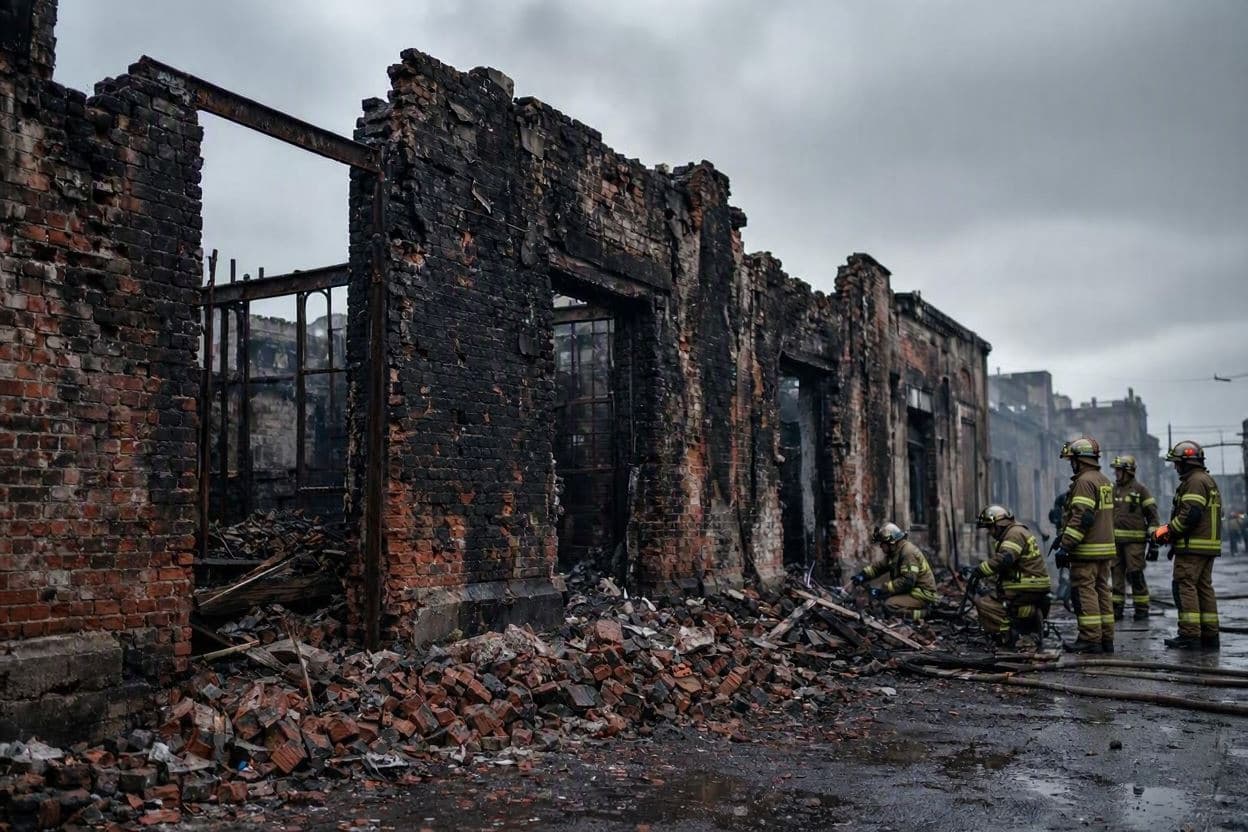
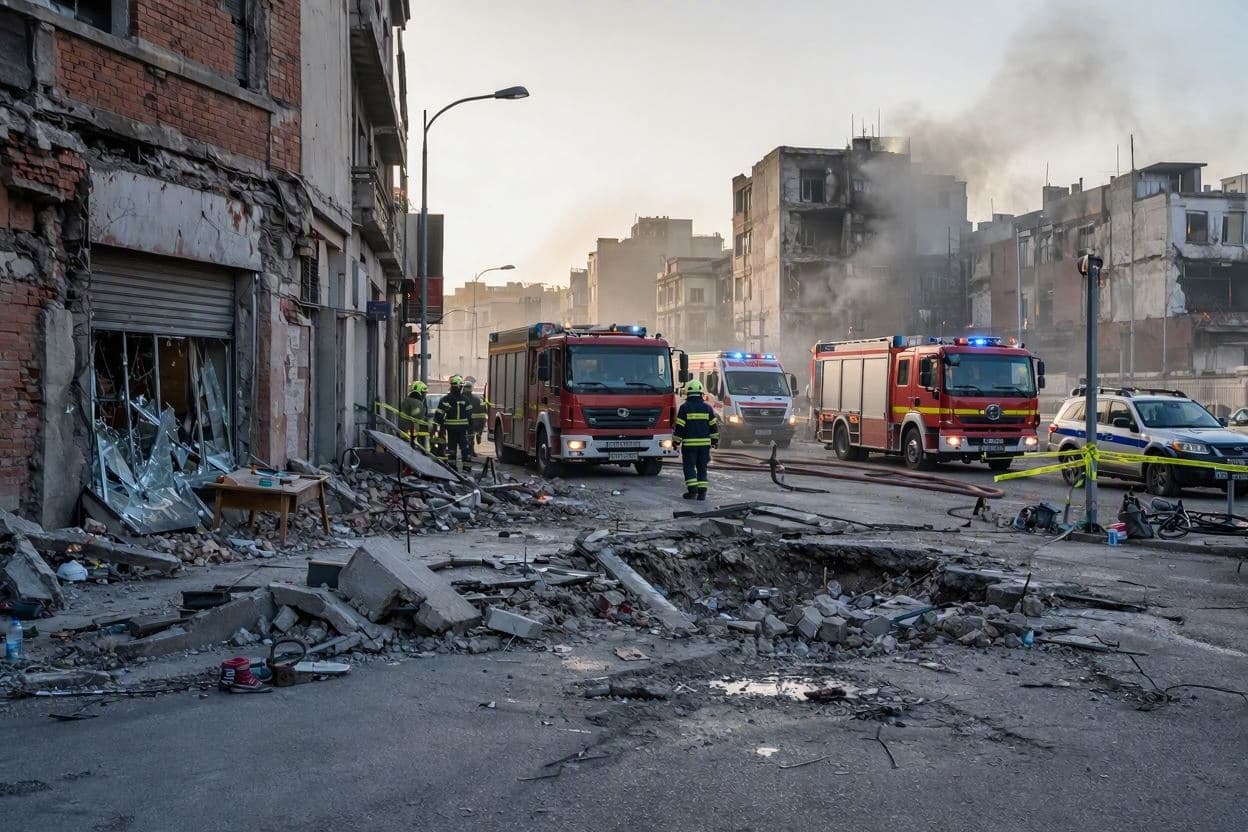
AI Image Disclaimer: The visual content in this article is AI-generated to depict the context of the conflict and its humanitarian impact respectfully.
Sources: France 24, The Star, WJTV
Published by Banx Network. This article is part of the Banx decentralized media programme, powered by the BXE token on the XRP Ledger.