In a nation where the earth frequently trembles beneath its feet, survival is not merely a matter of luck but of meticulous preparation. Japan, situated on the volatile Pacific Ring of Fire, has long been a laboratory for disaster resilience. Recent data reveals a significant decline in fatalities from major seismic events, a testament to decades of engineering innovation, public education, and strict building codes. This achievement is not just a statistical victory; it is a profound narrative of a society that has learned to dance with danger, turning vulnerability into strength through collective vigilance and technological advancement.
The cornerstone of this success lies in Japan’s rigorous building standards. Following the devastating Kobe earthquake in 1995, regulations were overhauled to require structures to withstand intense shaking. Modern buildings are equipped with base isolators and damping systems that absorb seismic energy, allowing them to sway rather than collapse. These engineering marvels, invisible to the casual observer, form a silent shield around millions of residents, protecting lives when the ground begins to move.
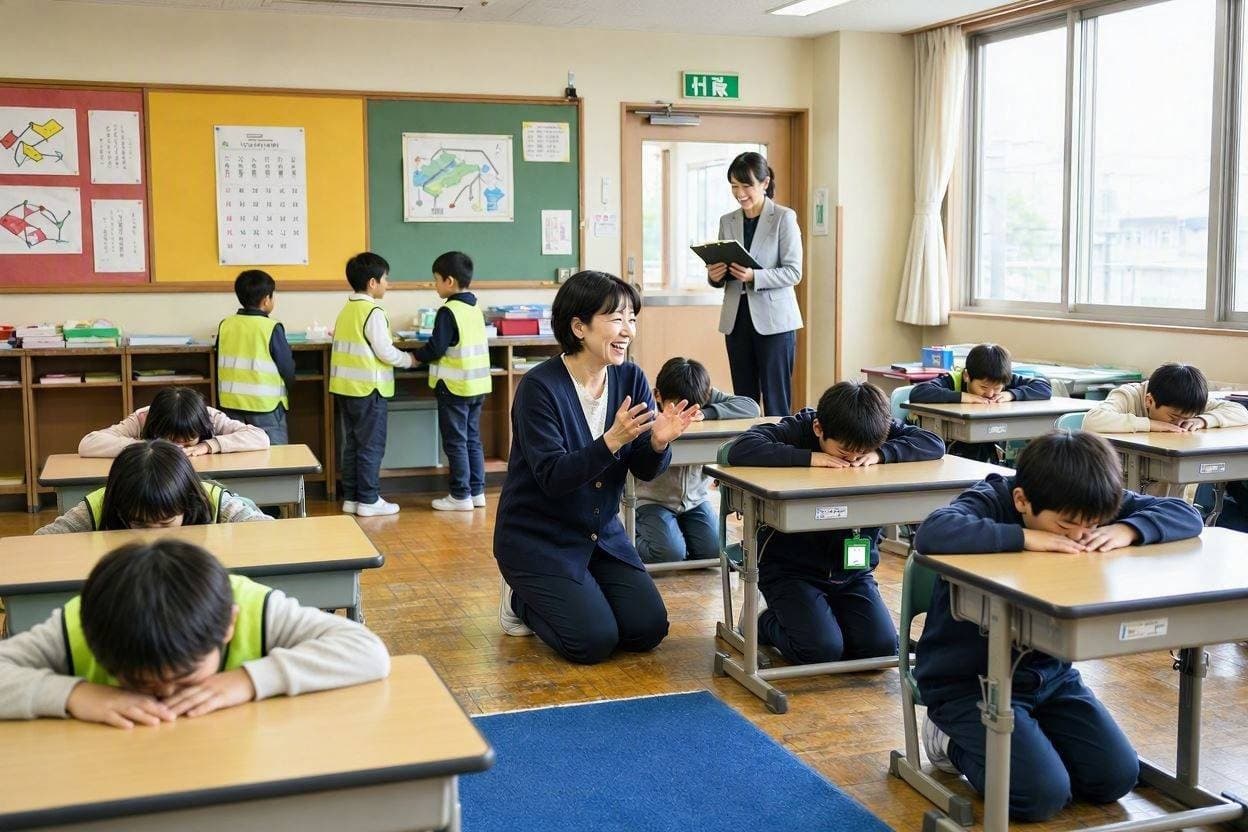
Beyond physical infrastructure, Japan has cultivated a culture of preparedness. From a young age, citizens participate in regular disaster drills, learning how to secure furniture, locate emergency exits, and assist neighbors. This societal muscle memory ensures that when an earthquake strikes, panic is minimized, and orderly response is maximized. Schools, workplaces, and communities act as cohesive units, trained to react swiftly and effectively.
Early warning systems play a crucial role in reducing casualties. Japan’s sophisticated network of seismometers can detect the initial, less destructive P-waves of an earthquake, sending alerts seconds before the more damaging S-waves arrive. These precious moments allow trains to brake automatically, gas lines to shut off, and people to take cover. It is a race against time won by technology, providing a brief but vital window for protection.
Community solidarity also contributes significantly to survival rates. In the aftermath of recent quakes, such as the Noto Peninsula earthquake, local volunteers and neighborhood associations have been instrumental in rescue and relief efforts. The concept of "kizuna," or bonds, drives people to check on the elderly and vulnerable, ensuring that no one is left behind. This social cohesion is as vital as any steel beam in sustaining life during crises.
Government policy continues to evolve, focusing on emerging challenges like aging infrastructure and demographic shifts. The White Paper on Disaster Management highlights the need to adapt strategies for an older population, who may be less mobile during evacuations. By integrating community care with technical solutions, Japan aims to maintain its low fatality rates even as societal conditions change.
Japan’s ability to reduce earthquake deaths is a model for the world. It demonstrates that while natural hazards cannot be prevented, their human cost can be dramatically mitigated through preparation, innovation, and community spirit. As the earth continues to shift, Japan stands ready, protected by the wisdom of its past and the ingenuity of its present.
AI Image Disclaimer: The visual elements accompanying this report are AI-generated interpretations designed to reflect the themes of engineering and disaster preparedness.
Sources: White Paper on Disaster Management 2025 Nikkei Asia Science Direct
Published by Banx Network. This article is part of the Banx decentralized media programme, powered by the BXE token on the XRP Ledger.