
Key Highlights
- Protests in Iran have intensified amid severe internet blackouts.
- Citizens are struggling to communicate and access information.
- Monitoring groups like NetBlocks report significant connectivity issues.
In the quiet hum of a disconnected world, a nation suddenly finds its voice silenced. Across Iran, streets pulse with defiance, while the digital lifelines that connect families, friends, and the wider world flicker and fade. Authorities have cast a shadow over the internet, leaving the country suspended between whispers and uncertainty. Citizens navigate the unseen corridors of their own cities, their footsteps echoing against walls that now feel both protective and confining. This moment blends courage with fragility, where every small act of protest becomes a quiet declaration of resilience.
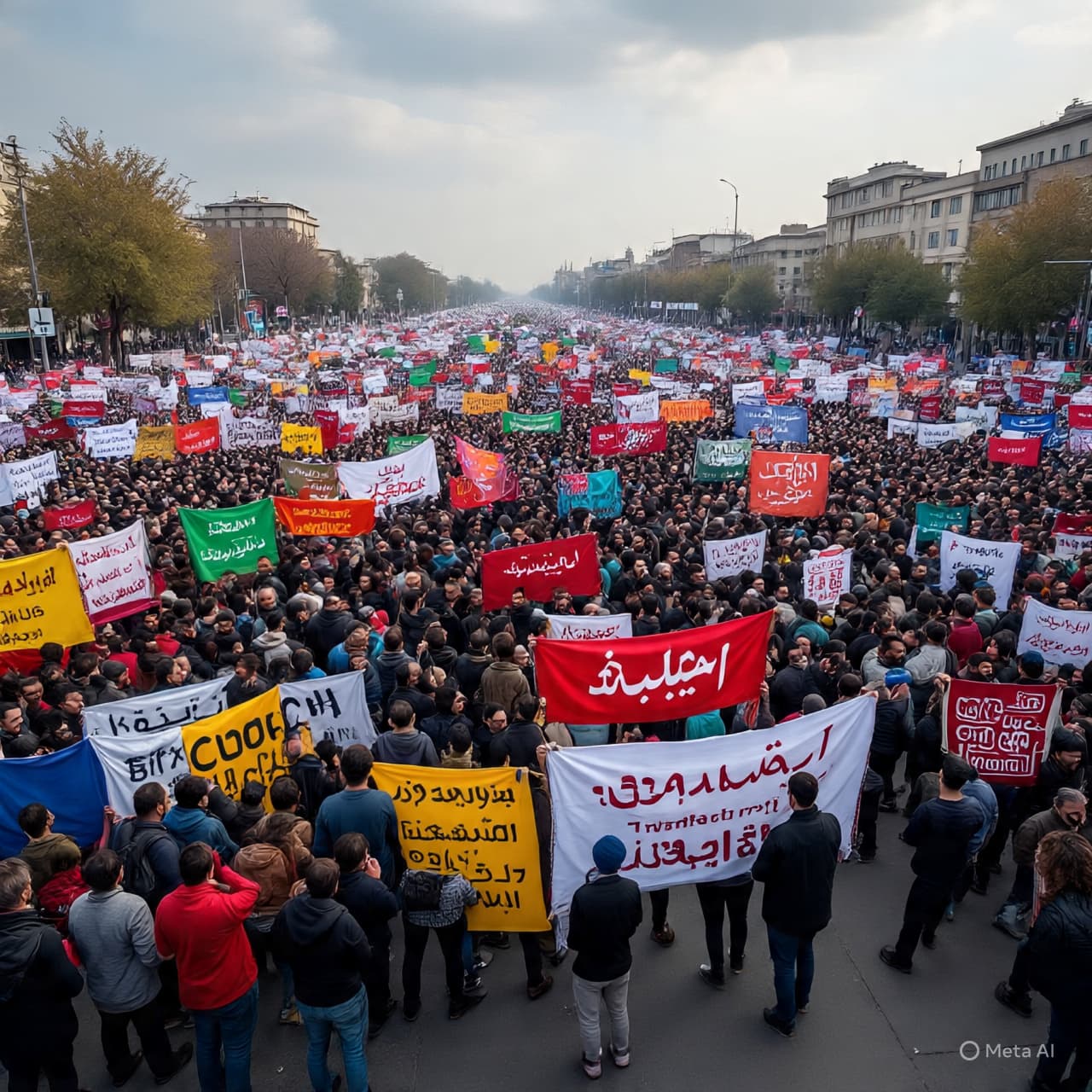
The protests, sparked by calls for sweeping political change, have grown in size and intensity. Demonstrators, young and old, have taken to the streets across Tehran and other major cities, voicing long-standing grievances that have often been met with repression. The government’s decision to impose near-total internet blackouts has only amplified the tension, transforming ordinary neighborhoods into islands of information scarcity. Reports from monitoring groups like NetBlocks confirm that connectivity has been severely restricted, isolating communities and complicating the flow of news. Meanwhile, state media continues its narrative, emphasizing order and security, even as independent sources struggle to transmit images and firsthand accounts of the unfolding unrest.
In this digital silence, human stories emerge more starkly. Parents trying to check on their children, students seeking updates on the evolving situation, and ordinary citizens attempting to communicate with the outside world confront a daily struggle with uncertainty. This situation serves as a reminder of how profoundly technology shapes modern life—and how its absence can deepen both anxiety and reflection. Yet, amid these disruptions, the persistence of the protests speaks to a collective yearning: a desire for expression, for agency, and for a future that responds to the voices of all Iranians.
As authorities weigh measures to contain the unrest, and as citizens continue to gather in defiance of restrictions, the nation exists in a fragile balance between control and expression. Observers around the world watch closely, acknowledging both the courage of those raising their voices and the challenges posed by the blackout. Ultimately, Iran’s current moment is less about silence than about the tension between confinement and connection, reflecting how society navigates its most pressing questions when the channels of communication are abruptly cut off.
Published by Banx Network. This article is part of the Banx decentralized media programme, powered by the BXE token on the XRP Ledger.



