
Key Highlights
- Election Outcome:Portugal elected a leftist president, marking a significant political moment.
- Voter Engagement:Turnout indicated a thoughtful electorate weighing options rather than rushing decisions.
- Political Landscape:The rise of far-right sentiments reflects broader European trends in identity and security debates.
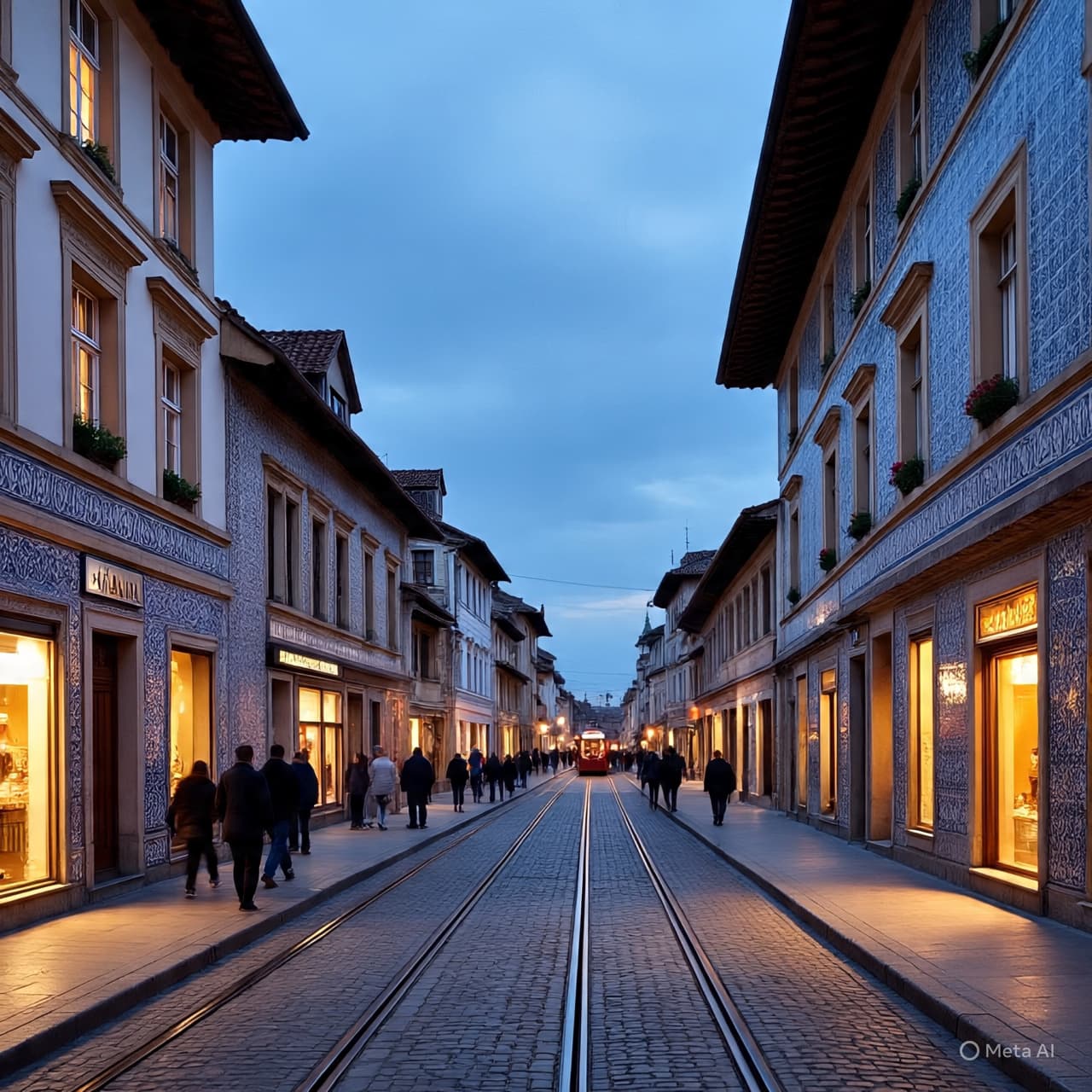
Portugal's recent presidential election has unfolded against a backdrop of political tension and societal reflection. As the sun dipped below the horizon, casting a warm glow over Lisbon's tiled facades, the nation settled into the reality of its new leadership. The election saw a leftist candidate triumph over a far-right challenger, whose unexpected rise had stirred conversations about the country's political identity and future.
The campaign was marked by a palpable sense of unease, mirroring sentiments felt across Europe. Economic challenges, migration issues, and a growing discontent with traditional political structures fueled the far-right's momentum. Rallies and media coverage highlighted this shift, suggesting a potential departure from Portugal's historically moderate political stance. Yet, the leftist candidate's message resonated with voters seeking continuity and stability, emphasizing a presidency rooted in stewardship rather than confrontation.
Voter turnout reflected a society engaged yet cautious, with many citizens weighing their options carefully. Urban areas leaned towards the left, while rural districts exhibited more subdued patterns of support. The final electoral map illustrated a nation grappling with its identity, neither complacent nor overwhelmed by fear. The far-right's presence, although ultimately unsuccessful in securing the presidency, indicated a significant undercurrent of discontent that could influence future parliamentary debates and public discourse.
As night fell, the atmosphere remained calm and dignified, a hallmark of Portuguese political transitions. Official statements from the outgoing and incoming administrations emphasized unity and democratic continuity, eschewing grand gestures for a more measured approach. This transition reflects Portugal's preference for procedural integrity, allowing the new president to assume office with a mandate shaped by both rejection of extremism and a commitment to progressive values.
Looking ahead, the new president faces the challenge of addressing the concerns that fueled the far-right's rise while maintaining the delicate balance of governance. The election has closed one chapter in Portugal's political narrative, but it has also opened new discussions about identity, security, and the future of democracy in the country. As the lights of Lisbon flicker on, the city continues its rhythm, aware that even the quietest decisions can have profound implications for its collective future.
Published by Banx Network. This article is part of the Banx decentralized media programme, powered by the BXE token on the XRP Ledger.



