Members of the Jalisco New Generation Cartel (CJNG) have turned many towns and cities where the cartel is active into war zones. BBC international correspondent Quentin Sommerville traveled to Culiacán in northern Sinaloa state, another hotspot amid the ongoing cartel violence that escalated after the removal of its leader Ismael "El Mayo" Zambada, currently imprisoned in the US.
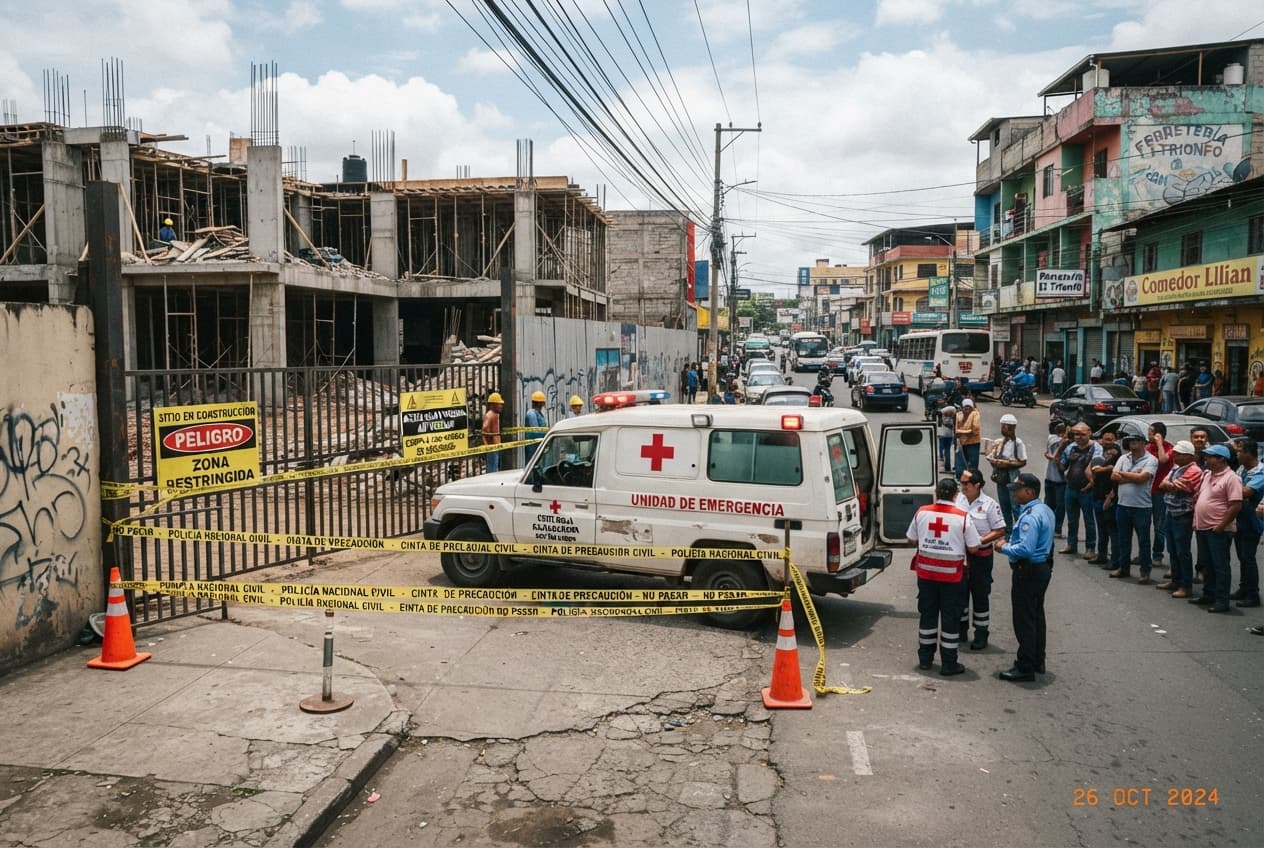
The BBC followed two paramedics, Julio César Vega and Héctor Torres, as they tended to victims of violent incidents. "The violence in Culiacán had never been so bad or gone on for so long," said Héctor. This sentiment highlights the pervasive fear in the area, where the aftermath of violence is continually witnessed.
The violence in Mexico has surged post-capture of significant cartel leaders, as seen in 2019 with the arrest of Ovidio Guzmán López, which led to widespread bloodshed. Current statistics indicate that violence continues unabated, with an alarming increase in emergency calls for shootings and other violent crimes.
Kidnapping and torture are rampant, suggesting that victims often suffer fates far worse than death. The paramedics shared that they had not encountered a living victim since November, emphasizing the tragic reality of their work in Culiacán. A body discovered outside a shopping mall revealed the chilling consequences of cartel warfare, as the victim showed clear signs of torture.
The article serves as a grim reminder of the impacts of drug trafficking, not just on the streets of Mexico but also on the larger fight against drugs that reverberates globally.
Published by Banx Network. This article is part of the Banx decentralized media programme, powered by the BXE token on the XRP Ledger.