In Prague, the squares have long been places where history gathers before it moves on. Stone underfoot, spires overhead, and the slow echo of voices rising together — these are familiar elements in a city accustomed to public moments that stretch beyond their immediate cause. On this occasion, tens of thousands assembled not in revolt, but in affirmation, forming a visible counterweight to political uncertainty unfolding within the Czech government.
The demonstration came amid a cabinet dispute that has unsettled the ruling coalition and tested the balance between institutional authority and political maneuvering. At its center stands President Petr Pavel, a figure whose calm demeanor and measured rhetoric have resonated with citizens weary of turbulence. As disagreements within the cabinet deepened, public attention shifted outward, away from closed meetings and toward open streets.
Flags moved through the crowd, interspersed with handwritten signs and quiet applause rather than fury. Many who attended described their presence less as protest than as reassurance — a signal that the presidency, in their view, remains a stabilizing force at a moment when cohesion feels fragile. The gathering reflected not blind loyalty, but a desire for continuity in tone and conduct.
The dispute itself revolves around questions of governance, responsibility, and the limits of executive influence, issues that rarely ignite mass mobilization on their own. Yet in this case, the personalities involved and the symbolism of the office transformed procedural tension into something more resonant. The president’s role, largely ceremonial but morally weighted, has become a focal point for broader anxieties about political direction.
Czech politics has often unfolded through restraint rather than spectacle. Even so, public memory retains moments when crowds have stepped forward to steady the course of events. This demonstration echoed that tradition — orderly, resolute, and unmistakably intentional. It suggested that while cabinets may fracture and alliances strain, public trust remains a resource that can still be summoned.
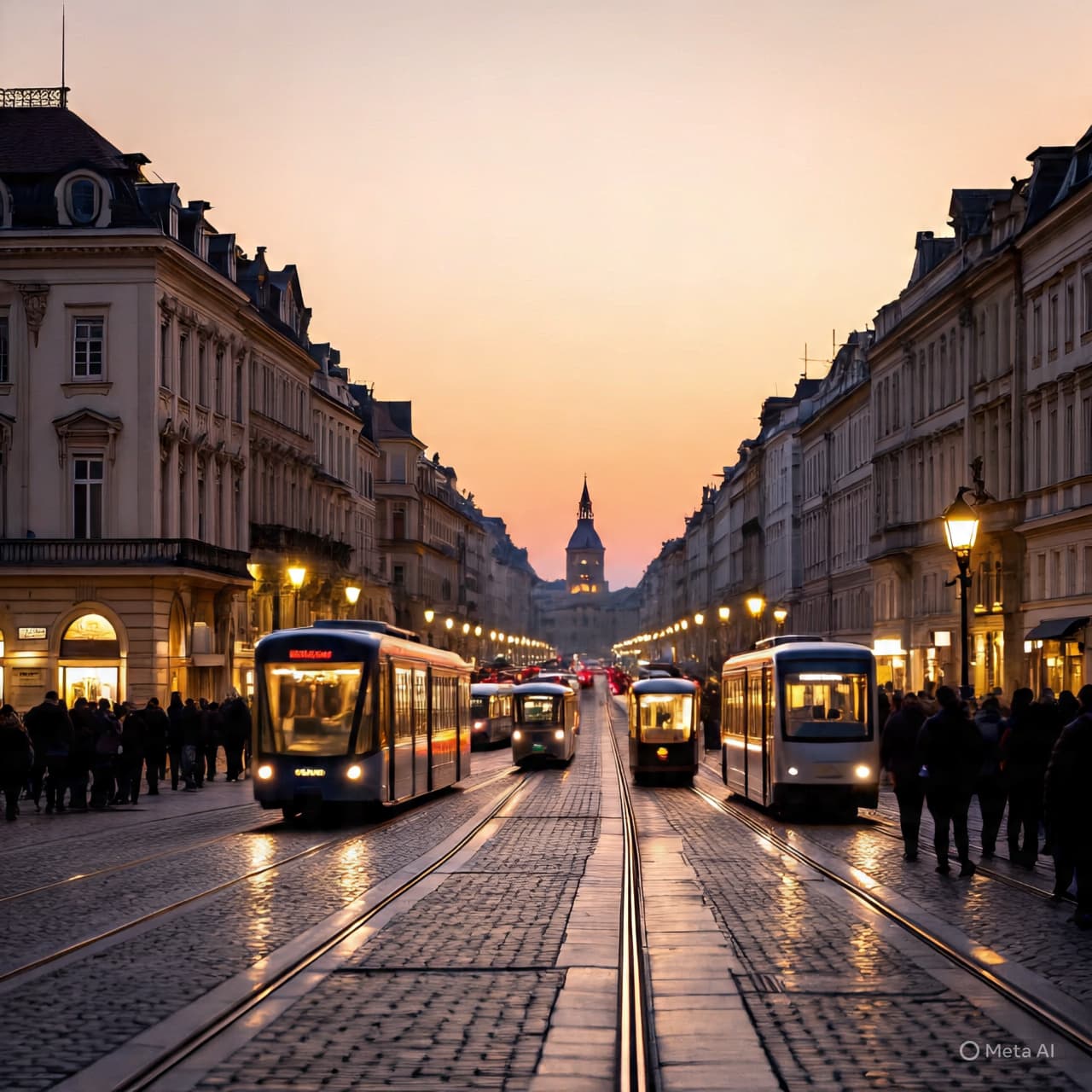
As evening settled and the crowd dispersed, Prague returned to its usual rhythm. Trams traced their routes, cafes filled, and the city resumed its quiet negotiations with time. But the message left behind was clear enough: in moments of internal dispute, the public itself can become a presence — not disruptive, but anchoring.
AI Image Disclaimer Visuals are AI-generated and serve as conceptual representations.
Sources Czech national media reports European political correspondence Public statements from the Czech presidency
Published by Banx Network. This article is part of the Banx decentralized media programme, powered by the BXE token on the XRP Ledger.

.jpg&w=3840&q=75 "US Declares Drought Disaster for Parts of Puerto Rico as Dry Conditions Persist")