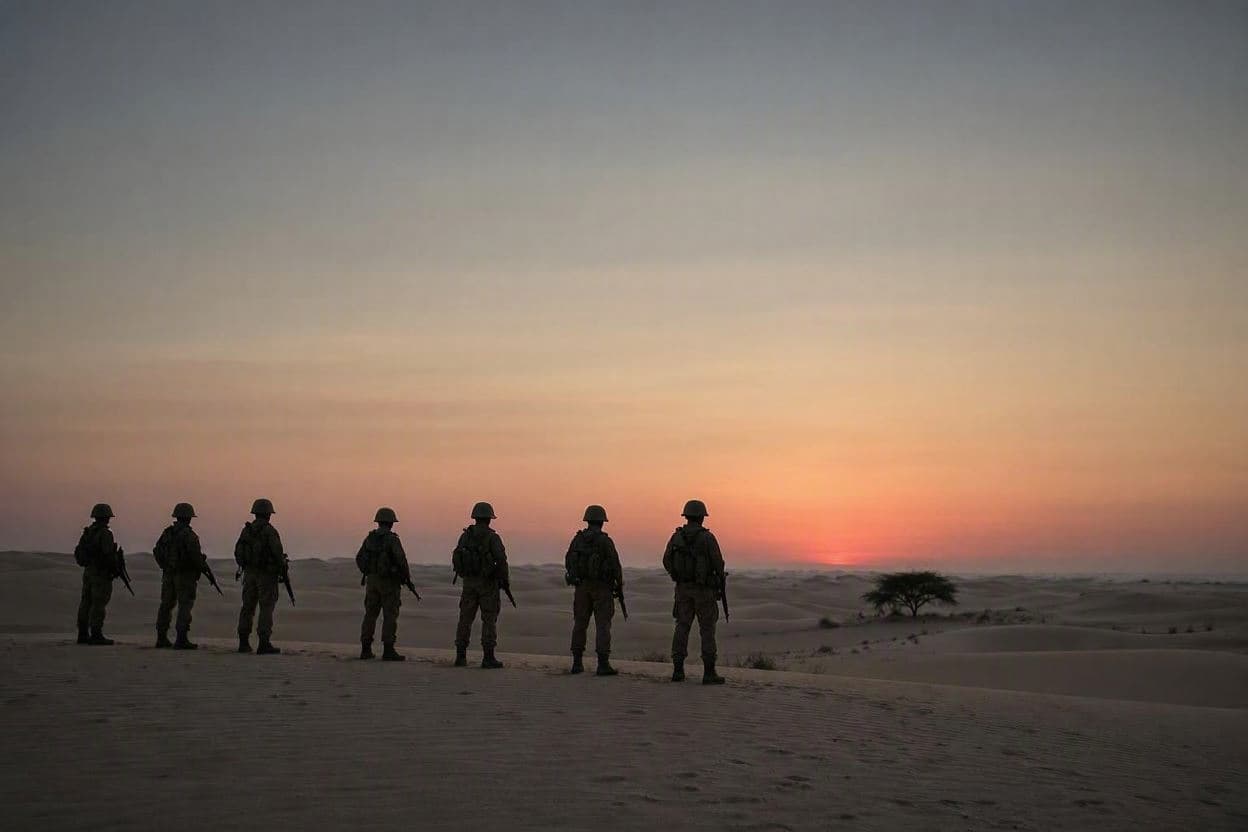
The rhythm of military service is often defined by cycles of deployment and return, a pattern that shapes the lives of service members and their families. Recent announcements regarding extended deployments in the Middle East have introduced a new variable into this equation, stretching timelines well into 2027. Under the direction of Defense Secretary Pete Hegseth, these extensions aim to maintain a robust strategic presence in a region marked by persistent volatility. While the geopolitical rationale is clear, the human cost of prolonged separation and operational fatigue raises significant concerns about the sustainability of current force management strategies.
The decision reflects a broader shift in U.S. defense policy, prioritizing deterrence and stability in key global hotspots. By keeping troops in place for longer durations, the Pentagon aims to signal commitment to allies and discourage adversarial actions. However, this approach places increased pressure on an all-volunteer force that has already endured two decades of continuous conflict. The strain is not merely logistical but deeply personal, affecting morale, mental health, and family stability.
Military families, accustomed to the uncertainties of service life, now face the prospect of even longer absences. The extension of tours disrupts educational plans for children, career trajectories for spouses, and the emotional well-being of households. Support networks within military communities are vital, but they are often stretched thin by the cumulative effect of repeated deployments. The announcement has sparked conversations about the need for enhanced support systems and rotational policies that better balance operational needs with personnel welfare.
Critics argue that extending deployments without a corresponding increase in force size risks burning out the military’s most experienced personnel. Retention rates could suffer if service members feel that the demands of their profession outweigh the benefits. Experts suggest that a review of manpower levels and deployment cycles is necessary to ensure long-term readiness. The current strategy, while effective in the short term, may have unintended consequences for the future health of the armed forces.
Proponents of the extension emphasize the critical nature of the mission. They point to the complex security landscape in the Middle East, where sudden shifts can have global repercussions. Maintaining a consistent presence is seen as essential for intelligence gathering, counter-terrorism operations, and diplomatic leverage. From this perspective, the strain on troops is a necessary sacrifice for national security interests.
The debate highlights the delicate balance between strategic objectives and human resources. As the military adapts to new challenges, including great power competition and asymmetric threats, the way it manages its people becomes increasingly important. Innovation in training, technology, and support services may help mitigate some of the pressures, but the fundamental challenge of time away from home remains.
Looking ahead, the impact of these extended deployments will be closely monitored. Metrics such as retention, recruitment, and mental health outcomes will provide insight into the sustainability of the current approach. For now, service members continue their duties with professionalism, driven by a sense of duty that transcends personal inconvenience.
Defense Secretary Hegseth’s decision to extend Middle East deployments into 2027 underscores the strategic priorities of the U.S. military, while raising important questions about troop welfare and long-term force sustainability.
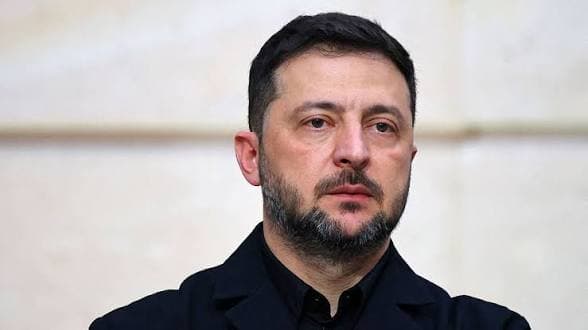
AI Image Disclaimer: Visuals associated with this article are computer-generated interpretations designed to complement the narrative, not actual photographic evidence.
Sources: Defense News Military Times Politico Reuters
Published by Banx Network. This article is part of the Banx decentralized media programme, powered by the BXE token on the XRP Ledger.