
Key Highlights
- Date of Announcement:April 17, 2026, by Iranian Foreign Minister.
- Economic Impact:Oil prices dropped over 10% following the announcement.
- Conditions for Passage:Shipping must follow a designated route set by Iranian authorities.
On April 17, 2026, the Iranian Foreign Minister announced that the Strait of Hormuz is open to commercial vessels during the ongoing ceasefire between Israel and Lebanon. This announcement is particularly significant as the strait is a vital passage for approximately 20% of the world's oil trade, making its accessibility crucial for global energy markets.
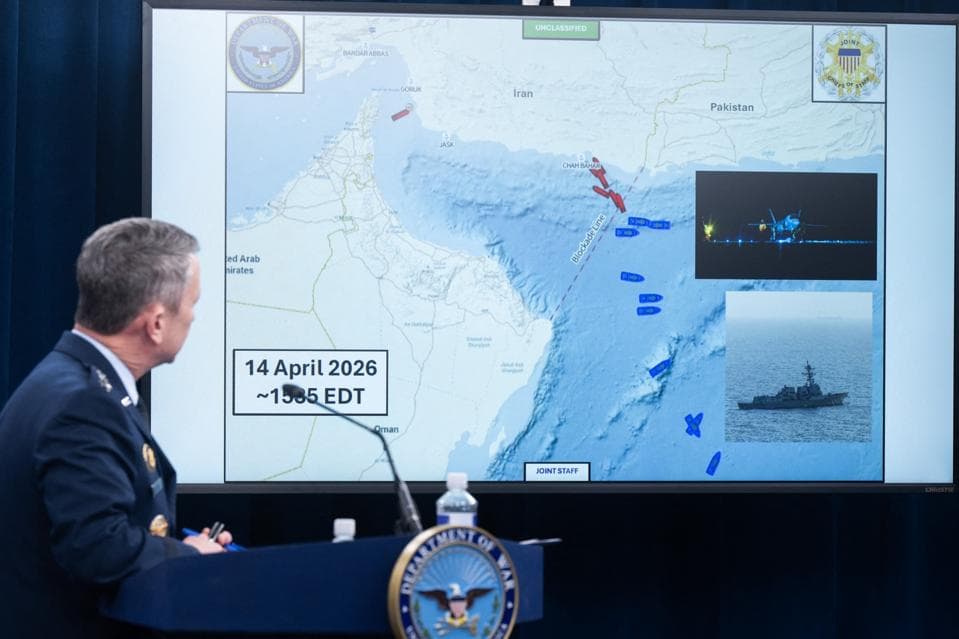
In a social media post, former President Donald Trump expressed gratitude towards Iran for reopening the strait but reiterated that the U.S. naval blockade of Iranian ports would remain in effect until a formal agreement could be established with Tehran. Trump emphasized that while the strait is now open, shipping must adhere to a "coordinated route" as designated by Iranian authorities. This raises questions about potential tolls and specific conditions for vessels seeking passage through this critical maritime corridor.
Iranian media outlets aligned with the Revolutionary Guards have stressed that the reopening of the strait is conditional. They warned that if the U.S. blockade continues, the strait could be closed again. Furthermore, reports indicate that cargo ships linked to what Iran considers "hostile nations" would not be permitted to navigate through the strait, reflecting the ongoing geopolitical tensions that continue to shape the region.
The immediate economic implications of this announcement are significant. Following the news, oil prices experienced a sharp decline, plummeting over 10% and falling below $90 per barrel. This decrease follows a sustained period of elevated prices driven by fears surrounding the potential closure of the strait, a critical chokepoint for global energy supplies. The market's reaction underscores the strait's importance in the global oil trade and the sensitivity of prices to geopolitical developments.
While the ceasefire in Lebanon has provided a temporary reprieve, ongoing tensions between Iran and the U.S. remain a concern, particularly in light of the conflict in Lebanon and broader regional dynamics. As diplomatic talks continue, both sides express cautious optimism, recognizing the necessity for stability in such a crucial maritime route. The situation remains fluid, and stakeholders in the global oil market will be closely monitoring developments as they unfold.
Published by Banx Network. This article is part of the Banx decentralized media programme, powered by the BXE token on the XRP Ledger.



