
Key Highlights
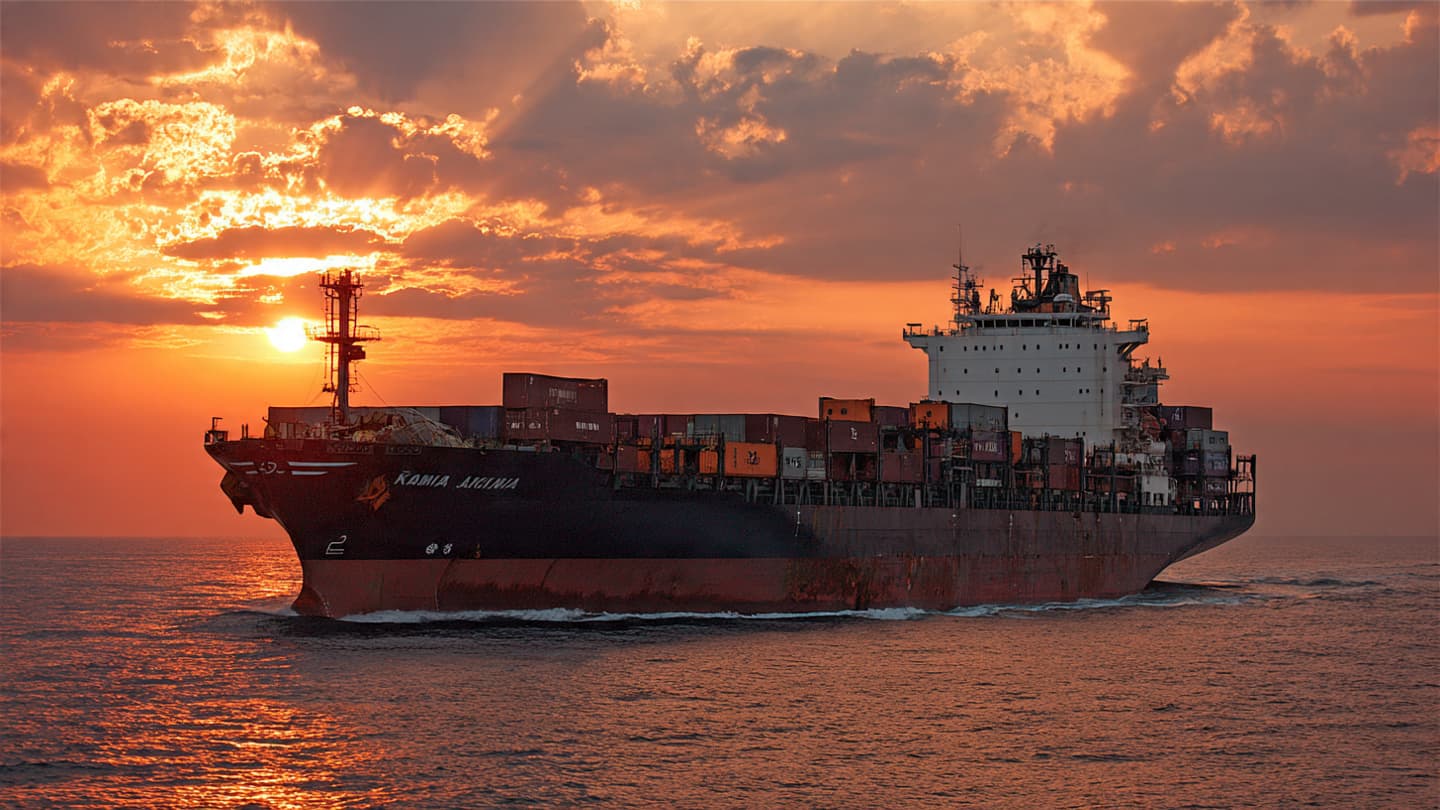
- Incident:A South Korean cargo ship was attacked by unidentified aircraft in the Strait of Hormuz.
- Impact:The Strait is crucial for global oil supplies, with one-fifth of the world's oil passing through daily.
- Response:The South Korean government is coordinating with international partners to ensure maritime safety.
The Strait of Hormuz has long been recognized as a vital artery for global trade, facilitating the movement of oil and goods across international waters. Recently, this strategic waterway was thrust into the spotlight following an attack on a South Korean cargo ship by unidentified aircraft. The incident, which occurred at night, reportedly resulted in minor damage to the vessel, with the crew unharmed. This attack underscores the ongoing vulnerabilities faced by maritime operations in this critical region.
Reports suggest that the assault may have involved drones or small unmanned aircraft, although no group has claimed responsibility as investigations continue. The Strait of Hormuz is particularly significant, as it serves as a conduit for approximately 20% of the world's oil supply. Consequently, any disruption in this area can have far-reaching implications for global energy markets and trade dynamics.
In response to the incident, the South Korean government has expressed its commitment to monitoring the situation closely. Officials in Seoul are working in tandem with international partners to bolster the safety of commercial shipping in the region. They have also called for restraint among all parties involved to maintain stability in these vital trade routes.
The recent attack is not an isolated event; it reflects a broader trend of increasing security tensions in the Gulf region. Over the past few months, various state actors and armed groups have engaged in conflicts that have targeted commercial vessels and energy infrastructure. Such incidents have raised alarms among international authorities and energy-importing nations, particularly in Asia and Europe, who rely heavily on the uninterrupted flow of oil.
For the global logistics industry, the Strait of Hormuz represents more than just a geographical location; it is a critical junction that connects numerous countries with their daily energy and trade requirements. Disruptions in this area can ripple through supply chains, affecting economies far beyond the Gulf's coastlines. As of now, shipping activities in the Strait are reportedly continuing as normal, although heightened security measures have been implemented. International maritime authorities are actively issuing navigation warnings to vessels traversing the area, emphasizing the need for vigilance in light of recent events.
The implications of this attack extend beyond immediate maritime safety concerns. They highlight the fragile nature of global trade routes and the potential for geopolitical tensions to disrupt essential supply chains. As the situation evolves, stakeholders in the shipping and energy sectors will be closely monitoring developments in the Strait of Hormuz, aware that the stability of this crucial waterway is integral to the health of the global economy.
Published by Banx Network. This article is part of the Banx decentralized media programme, powered by the BXE token on the XRP Ledger.



