
Key Highlights
- Incident:A foreign container ship ran aground in the Strait of Hormuz on Wednesday.
- Navigation Dispute:The vessel ignored Iranian navigation instructions, leading to its grounding.
- Regional Tensions:The incident heightens existing tensions over maritime rights in the vital waterway.
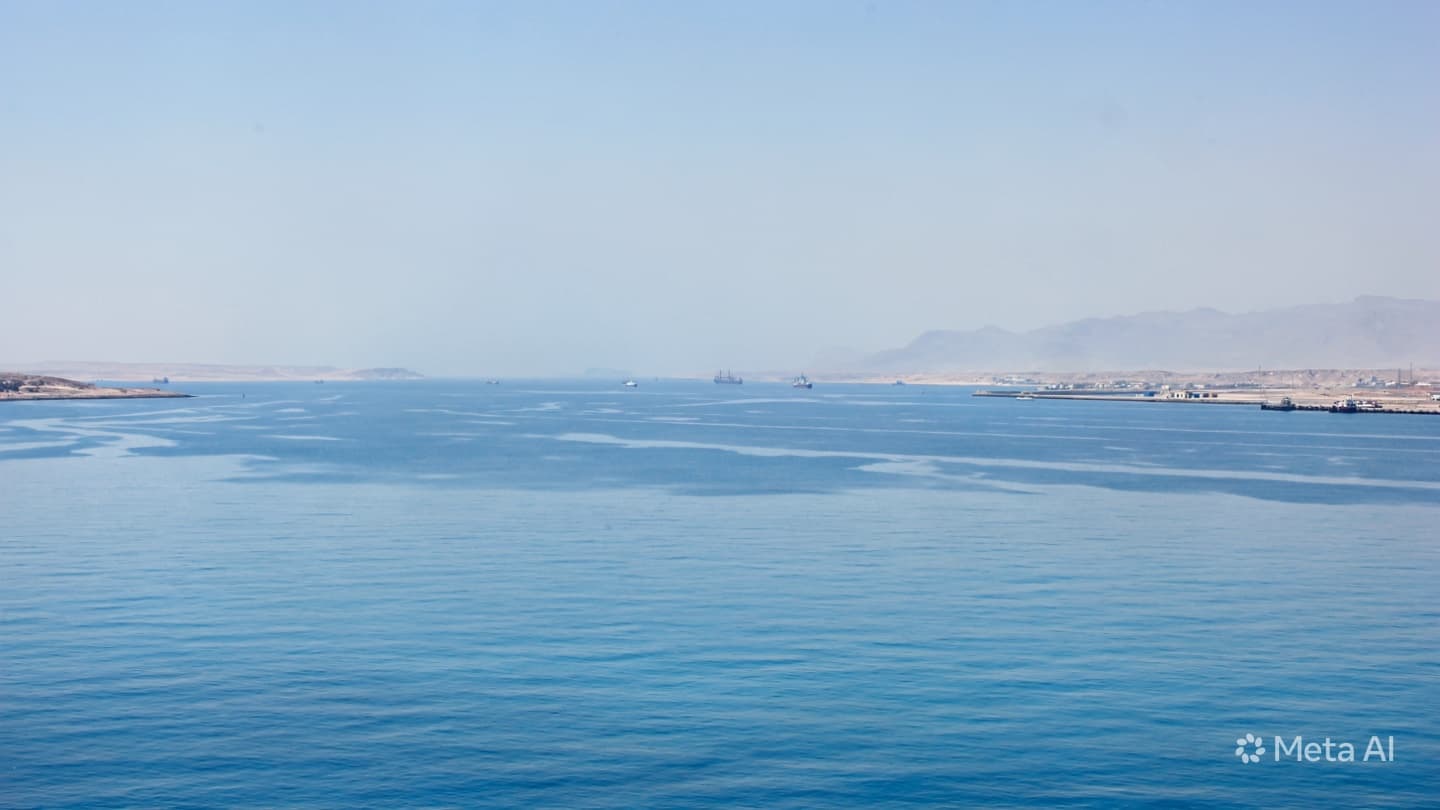
Bandar Abbas, Iran—A foreign container ship ran aground in the Strait of Hormuz on Wednesday, marking a significant incident in a region already fraught with geopolitical tensions. The vessel reportedly attempted to navigate outside of a route approved by Iranian authorities, becoming stuck in shallow waters. State television has reported that this grounding is a direct consequence of ignoring local navigation instructions, which the Iranian Revolutionary Guard has emphasized as critical for safe passage.
The Revolutionary Guard has consistently warned international vessels about the necessity of adhering to the so-called Route of Authority, which Iran seeks to enforce to solidify its control over this vital waterway. The grounding of the ship, which remains unable to continue its transit, has become a new point of friction in ongoing negotiations between Iran and other nations regarding maritime rights in the Strait of Hormuz.
Tensions in the region are already high, with the United States and several Gulf states disputing Iran's legal right to enforce such navigation routes. They argue that the Strait of Hormuz is an international waterway, essential for free passage. This incident adds another layer of complexity to the already strained relations and ongoing discussions about maritime traffic in the area.
Local authorities have confirmed that the vessel remains in place with its cargo intact. Maritime teams have been dispatched to monitor the situation, and officials are demanding that the shipowners contact them for assistance. This incident is being leveraged by Iranian authorities to highlight the risks associated with non-compliance with their navigation instructions, potentially deterring other vessels from straying off the approved routes.
Experts express concern that such incidents could lead to more aggressive interventions by Iranian forces, especially given the strategic importance of the Strait of Hormuz, which carries a significant portion of global energy supplies. Any disruption in traffic through this narrow passage could have immediate and far-reaching effects on international oil markets, prompting security analysts to monitor the situation closely from a distance.
As of now, the flag state of the vessel has not issued an official comment regarding the grounding. However, diplomatic backchannels are reportedly active, with negotiators in Doha discussing the future of maritime traffic in the region. The grounding of this vessel has become a focal point in those discussions, highlighting the ongoing complexities of navigation rights in the Strait of Hormuz.
In response to the grounding, maritime traffic in the area is being diverted, with other ships avoiding the immediate vicinity. The shallow waters have complicated extraction efforts, and tugboats are being prepared for a potential salvage operation. The situation remains static, with the vessel partially submerged in the channel and Iranian forces stationed nearby to ensure compliance with their navigation instructions. As tensions continue to rise, the dispute over the Strait of Hormuz is likely to intensify in the coming days.
Published by Banx Network. This article is part of the Banx decentralized media programme, powered by the BXE token on the XRP Ledger.



