

Key Highlights
- Significant weather system approaching Australia, bringing heavy rainfall and strong winds.
- Regions at risk include Queensland, New South Wales, and Victoria, with potential for flash flooding.
- Emergency services advise residents to prepare and stay informed about safety measures.
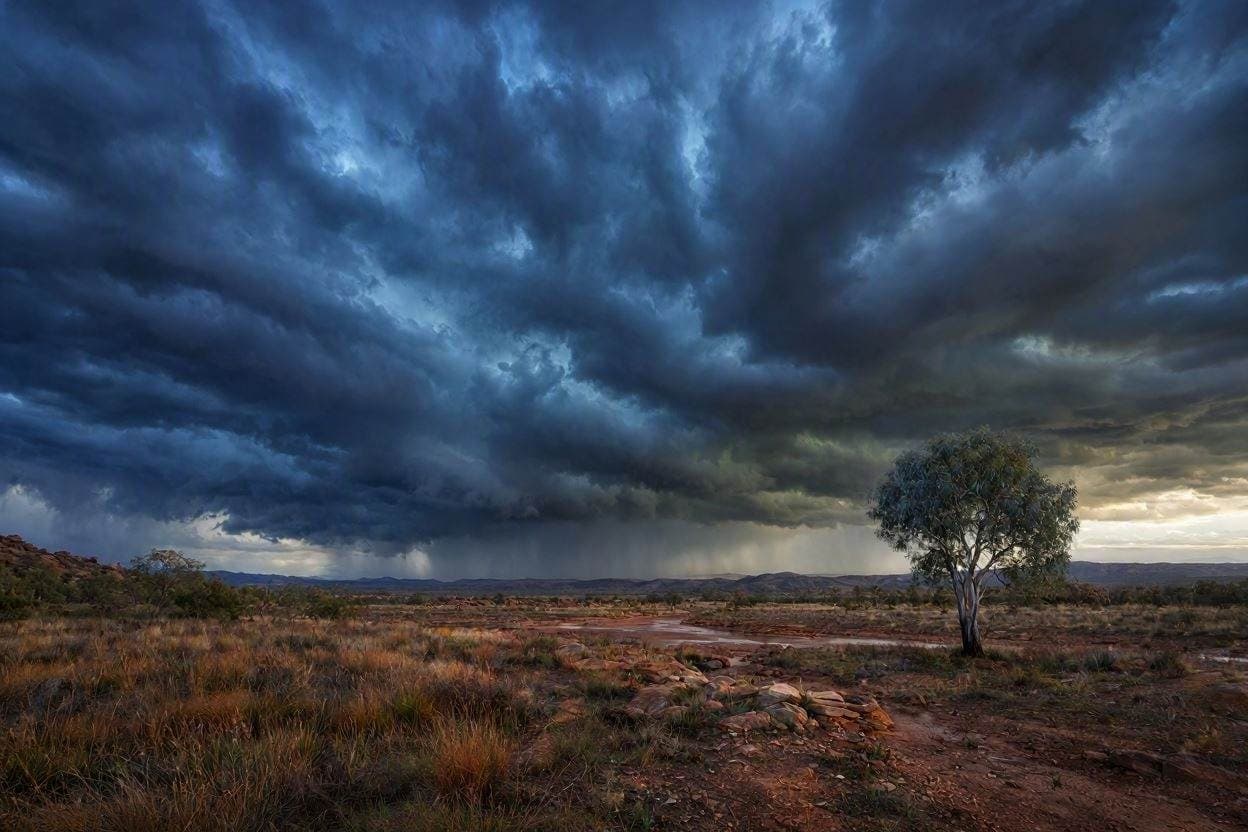
[Weather System Overview] The Australian landscape is characterized by its extremes, where the sky can shift dramatically within hours. Currently, a massive weather system is gathering strength, poised to deliver a potent mix of heavy rainfall and destructive winds across several states. This atmospheric disturbance serves as a reminder of nature’s raw power and the vulnerability of communities living in its path. It is not merely a meteorological event but a test of resilience, urging residents to prepare for the deluge that lies ahead. The air grows heavy with anticipation, carrying the scent of rain and the weight of potential disruption.
[Predicted Impacts] Meteorologists have tracked the low-pressure system as it moves across the continent, predicting significant impacts for regions already saturated by previous rains. In Queensland, New South Wales, and Victoria, forecasts indicate torrential downpours that could lead to flash flooding and riverine rises. The soil, unable to absorb more moisture, will see water run off rapidly, overwhelming drainage systems and threatening low-lying areas. For farmers and homeowners alike, the prospect of further water damage is a source of deep anxiety.
[Wind and Safety Concerns] Alongside the rain, strong winds are expected to batter coastal and inland areas. Gusts capable of uprooting trees and damaging roofs pose a direct threat to safety and infrastructure. Power outages are likely, disrupting daily life and communication networks. Emergency services have issued warnings, advising people to secure loose items, stay indoors during peak intensity, and avoid driving through floodwaters. The message is clear: caution is the best defense against the storm’s fury.
[Community Response] For those who have experienced recent disasters, the approach of this system triggers memories of past trauma. The psychological toll of repeated extreme weather events is significant, fostering a sense of fatigue and uncertainty. Community support networks are mobilizing, checking on vulnerable neighbors and sharing resources. This collective vigilance is a testament to the strength found in unity during times of crisis.
[Preparedness and Monitoring] Authorities are monitoring river levels closely, preparing for potential evacuations if thresholds are breached. Schools and businesses may close temporarily to ensure public safety. The economic impact of such disruptions is considerable, affecting supply chains and local commerce. Yet, the priority remains the preservation of life and property, with response teams on high alert.
[Looking Ahead] As the system unfolds, its exact trajectory and intensity may vary, requiring constant updates from weather agencies. Residents are encouraged to stay informed through official channels and have emergency kits ready. Preparedness reduces risk, allowing communities to weather the storm with greater confidence. The dance between humanity and nature continues, demanding respect and adaptability.
The approaching weather system brings significant challenges for parts of Australia. As floods and winds threaten to disrupt life, the focus remains on safety and preparedness. By heeding warnings and supporting one another, communities can navigate this turbulent period with resilience and care.
Published by Banx Network. This article is part of the Banx decentralized media programme, powered by the BXE token on the XRP Ledger.




