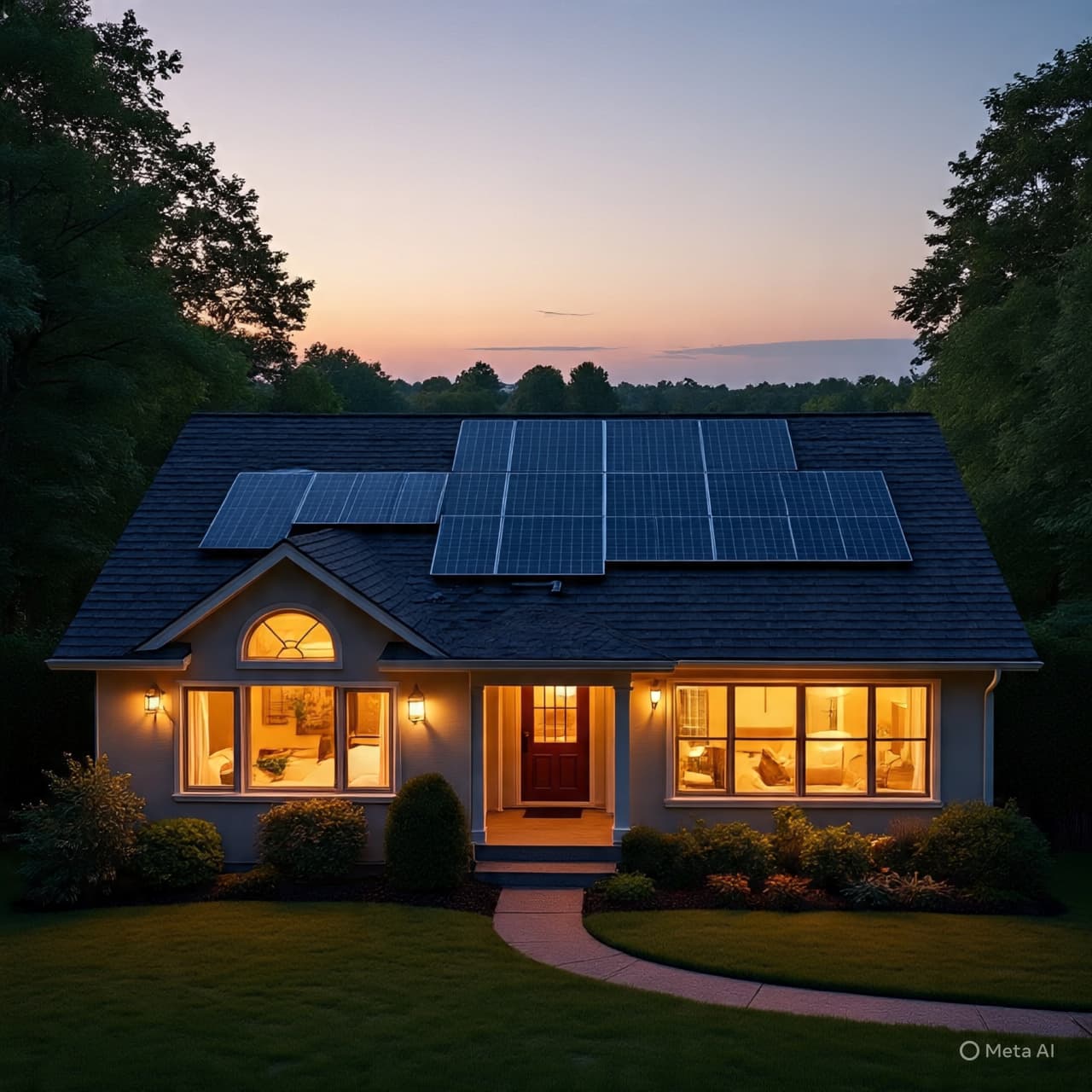
n many neighborhoods, evening arrives with a familiar choreography. Lights flicker on, appliances hum back to life, and households quietly draw from an energy grid that feels distant and abstract — until it falters. In recent years, that sense of distance has narrowed. Power has become something people think about more often now, measured in outages, bills, and the growing awareness of where electricity comes from, and where it might go next.
Against this backdrop, Australia’s federal home battery rebate has expanded in a way that feels both technical and quietly transformative. Households looking to store solar energy at home can now choose from 1,259 approved battery models, a sharp increase that reflects how quickly the market has matured. The rebate, designed to lower upfront costs, has made home energy storage feel less experimental and more attainable for families weighing long-term stability against rising prices.
The batteries themselves vary widely — compact units tucked into garages, larger systems paired with rooftop solar arrays, technologies refined for longer life or faster discharge. What unites them is purpose. They offer households a buffer: energy saved during daylight hours, drawn upon at night or during outages, smoothing the daily rhythm of consumption. The expanded list signals confidence from regulators that the technology has reached a level of reliability and choice once reserved for early adopters.
Policy architects have framed the rebate as both economic and environmental. By reducing reliance on the grid during peak demand, home batteries can ease pressure on infrastructure while helping households manage costs. At the same time, they encourage a quieter shift toward decentralization — energy produced and stored closer to where it is used, less exposed to sudden shocks.
For consumers, the abundance of choice carries its own complexity. Selecting from more than a thousand models requires navigating capacity ratings, warranties, compatibility, and installation constraints. Yet that complexity is also a marker of progress. Markets broaden before they simplify, offering variety before settling into familiar standards. In this sense, the rebate does more than discount a product; it invites households into a longer conversation about energy independence.
Installers and industry analysts have noted growing interest from suburban and regional homeowners alike, particularly those already invested in rooftop solar. The rebate has shortened the financial distance between intention and action, making battery storage a consideration rather than a luxury. Each installation quietly reshapes the grid’s future, one garage wall at a time.
As night deepens and stored energy begins to flow back into homes, the change remains almost invisible. Lights glow steadily, refrigerators run without interruption, and the grid breathes a little easier. The expanded rebate does not promise instant transformation, but it reflects a moment when choice, policy, and technology briefly align. In that alignment lies a subtle reassurance — that energy, once taken for granted, is becoming something people can hold onto, even after the sun goes down.
AI Image Disclaimer Visuals are AI-generated and serve as conceptual representations.
Sources Reuters Australian Department of Climate Change, Energy, the Environment and Water Clean Energy Council ABC News Australia
Published by Banx Network. This article is part of the Banx decentralized media programme, powered by the BXE token on the XRP Ledger.