Key Highlights
- Wall Street indexes declined as geopolitical tensions rose.
- Oil prices increased due to concerns over Middle East supply routes.
- Investors remain cautious, balancing economic factors and market sentiment.
The stock market often resembles a shoreline, shifting with the tides of uncertainty. Recently, investors have navigated carefully as renewed tensions between the United States and Iran cast a long shadow over trading floors. The atmosphere was marked by caution rather than panic, indicating that fear had crept in quietly rather than with a loud outcry.
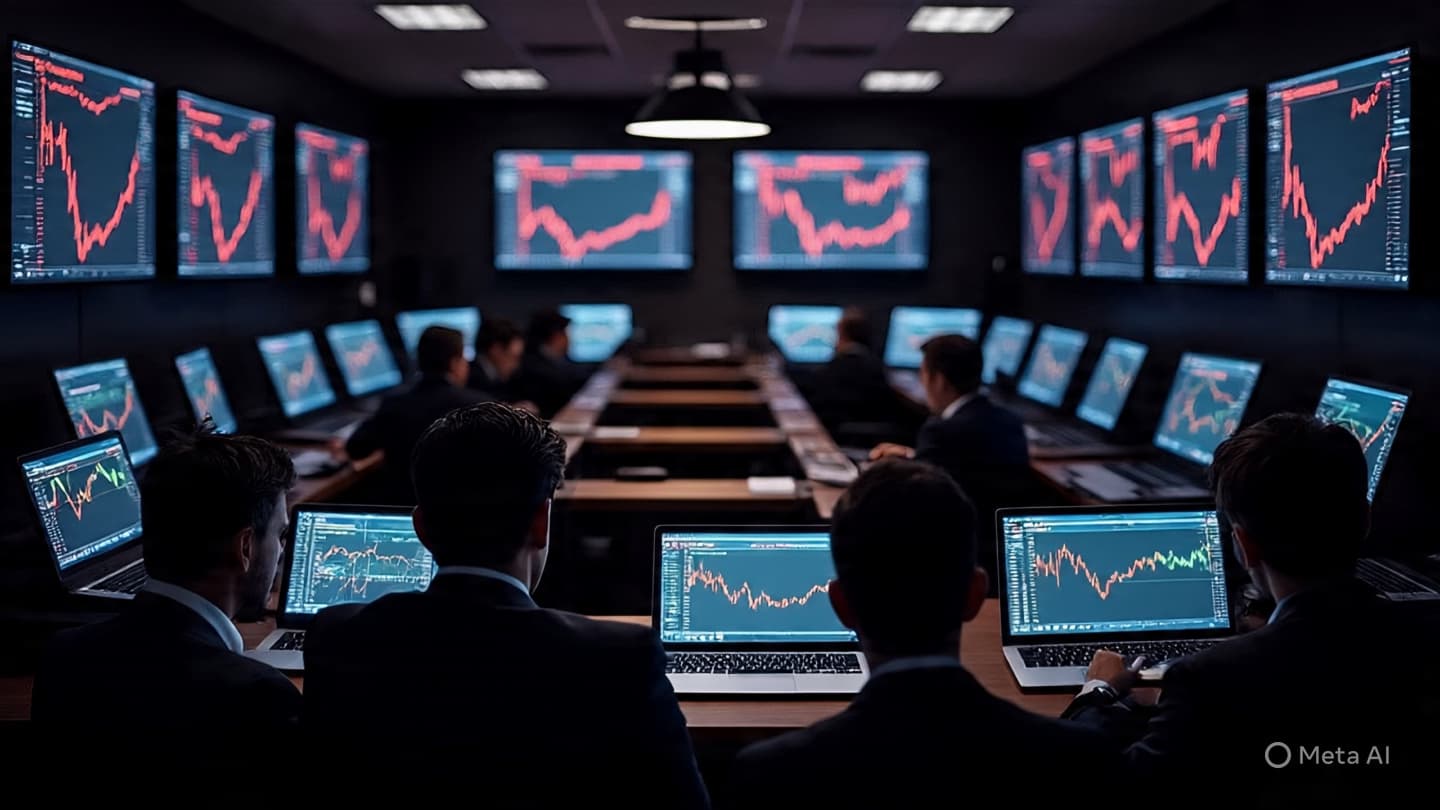
On this particular trading day, Wall Street indexes experienced a decline as traders weighed the geopolitical risks and the potential for broader disruptions to energy flows. Despite the downward movement, the decline was measured, reflecting a market that has learned to absorb sharp headlines without immediately losing confidence.
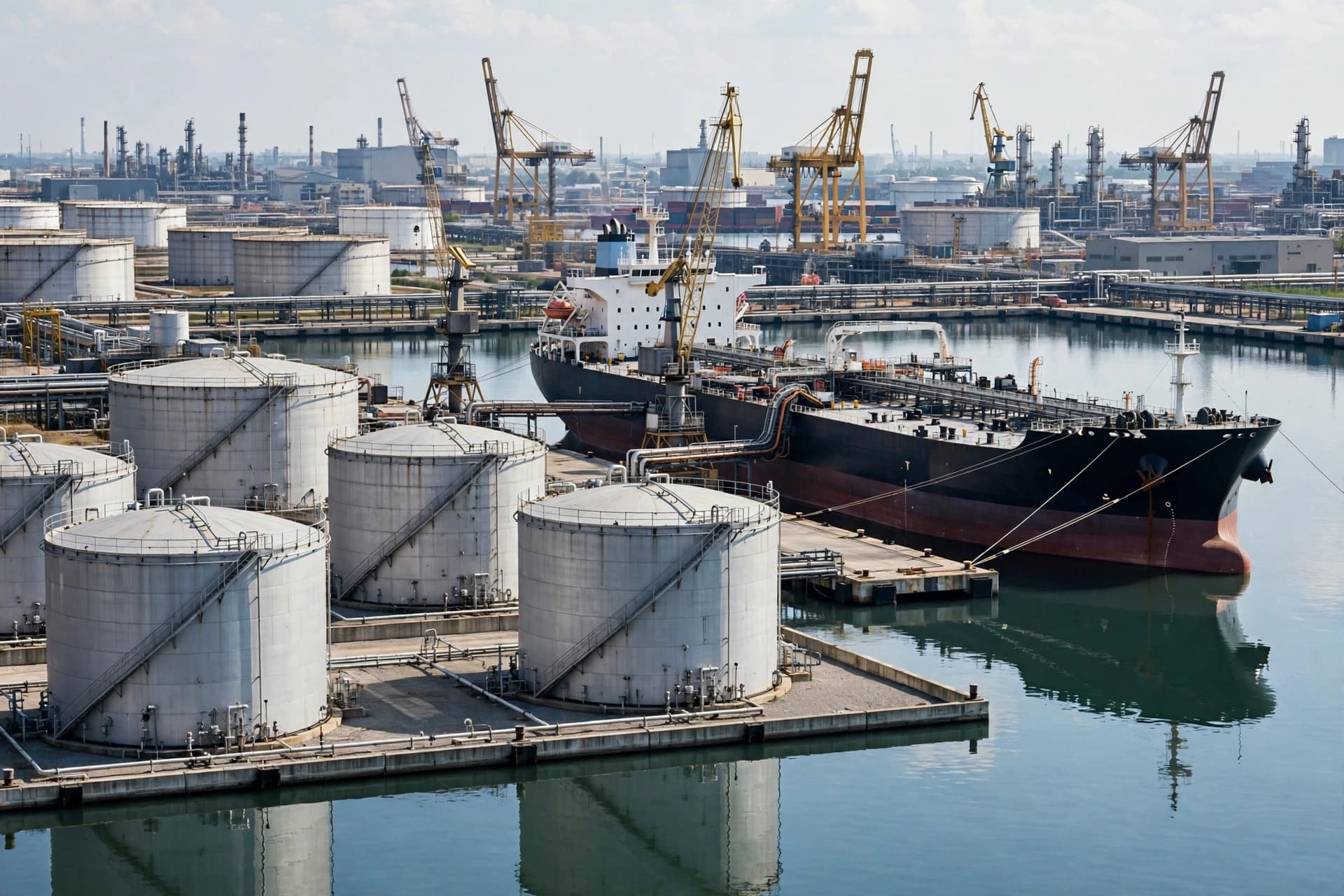
As concerns over supply routes in the Middle East intensified, oil prices surged. The Strait of Hormuz, a critical passage for global crude shipments, became a focal point for investors. Higher energy prices often have a cascading effect, influencing transportation, manufacturing, and household costs across the economy.
The rise in oil prices placed additional pressure on sectors sensitive to fuel costs, while energy shares found a firmer footing. This divergence is typical during unsettled times, where the burden on one industry can provide temporary support to another. Analysts noted that the markets were also balancing expectations regarding central bank policies, inflation trends, and corporate earnings, creating a complex backdrop for trading decisions.
Despite the geopolitical tensions, losses were described as restrained rather than severe. Investors appeared hesitant to make sweeping decisions, preferring to wait for clearer signals from diplomatic channels and official statements. This cautious approach reflects a broader trend observed in recent years, where markets react sharply to conflict headlines but often recover once immediate risks seem contained.
As trading closed, indexes were lower, oil prices were firmer, and uncertainty lingered in the air. For now, the markets seem less frightened and more watchful, poised to respond to the next developments, whether they signal escalation or restraint in the ongoing geopolitical landscape.
Published by Banx Network. This article is part of the Banx decentralized media programme, powered by the BXE token on the XRP Ledger.