Key Highlights
- Stimulant overdoses are increasing, while opioid-related deaths are decreasing.
- There are currently no FDA-approved medications for treating stimulant use disorders.
- Treatment options primarily involve behavioral therapies rather than pharmacological interventions.
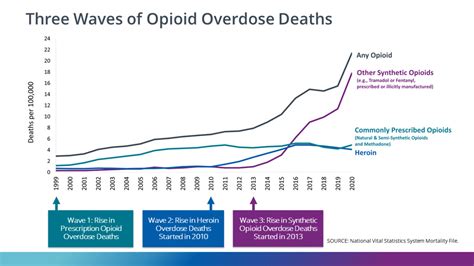
The landscape of substance use in the United States is undergoing a significant transformation, with recent reports indicating a troubling rise in stimulant overdoses even as opioid-related deaths show a decline. According to data from the Centers for Disease Control and Prevention (CDC), the shift in overdose patterns highlights the complexities of addressing substance use disorders in a rapidly changing environment.
Recent statistics reveal that while opioid overdoses have decreased due to increased access to treatment and harm reduction strategies, stimulant-related fatalities are on the rise. This trend is particularly concerning as many overdose cases involve multiple substances, complicating both prevention efforts and treatment approaches. The CDC's findings underscore the urgent need for comprehensive strategies to address the dual crises of opioid and stimulant use.
Unlike opioid use disorder, which has several FDA-approved medications available for treatment, there are currently no such options for stimulant use disorders. This gap in treatment options presents a significant challenge for healthcare providers and individuals struggling with stimulant addiction. Behavioral therapies, including contingency management and cognitive behavioral therapy, are the primary methods employed to assist those with stimulant use disorders. However, these approaches may not be sufficient for all patients, particularly those with severe addiction.
The complexity of treating stimulant overdoses is further exacerbated by the fact that naloxone, a life-saving medication used to reverse opioid overdoses, is ineffective against stimulants. This limitation highlights the critical need for tailored interventions that specifically address the unique challenges posed by stimulant use. As the number of stimulant-related overdoses continues to rise, public health officials are calling for increased awareness and resources to combat this growing crisis.
In light of these developments, it is essential for healthcare systems to adapt and develop new strategies that can effectively address the needs of individuals facing stimulant use disorders. This includes advocating for research into potential pharmacological treatments and expanding access to behavioral therapies. The ongoing opioid crisis has already strained resources, and the rise in stimulant overdoses adds another layer of complexity that must be addressed to ensure comprehensive care for all individuals affected by substance use disorders.
As the nation grapples with these overlapping crises, it is crucial for policymakers, healthcare providers, and communities to work collaboratively to develop effective solutions. By prioritizing research, treatment accessibility, and public education, there is hope for a more effective response to the challenges posed by both opioid and stimulant use disorders.
Published by Banx Network. This article is part of the Banx decentralized media programme, powered by the BXE token on the XRP Ledger.