

Key Highlights
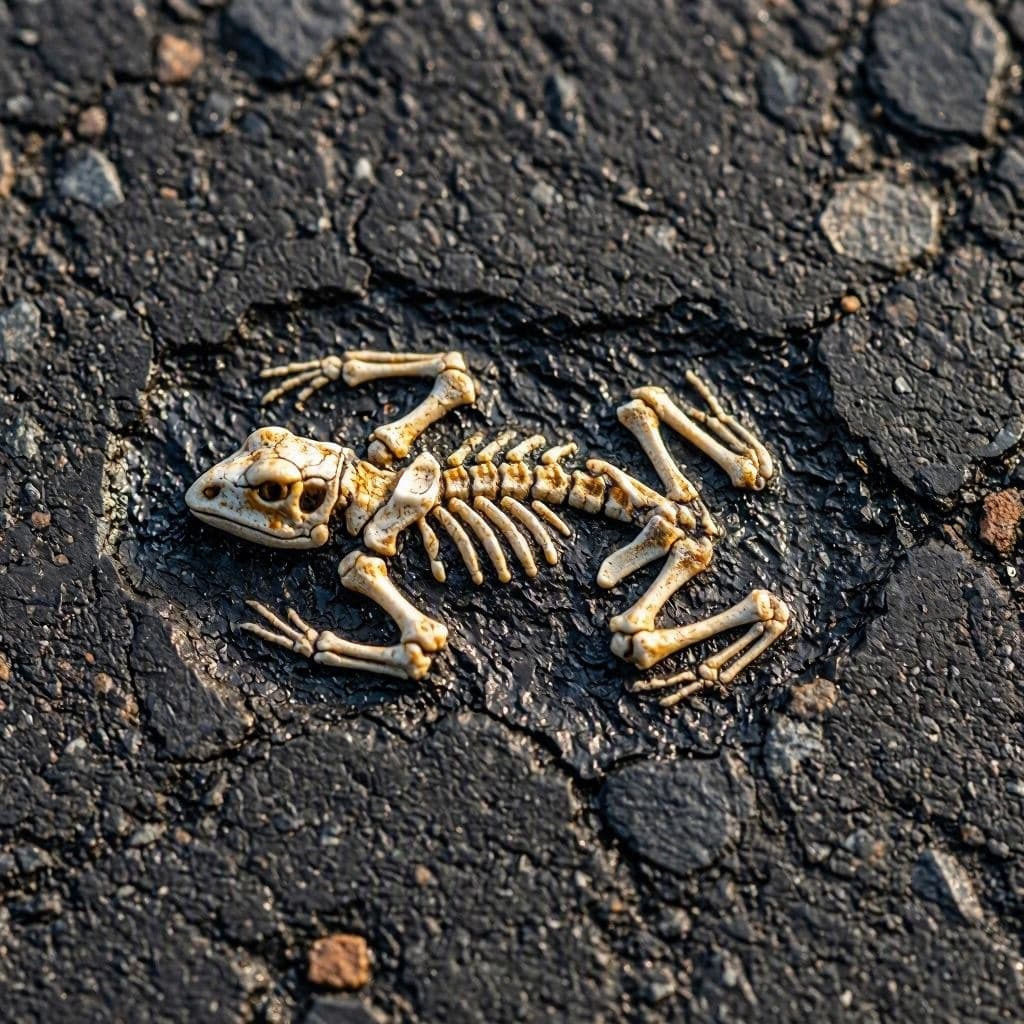
- Discovery:An extinct Ice Age toad found at La Brea Tar Pits.
- Significance:Provides insight into prehistoric Southern California ecosystems.
- Preservation:Unique conditions allowed delicate bones to survive intact.
The La Brea Tar Pits, a renowned site in Los Angeles, has once again revealed a fascinating glimpse into the distant past with the discovery of an extinct toad species from the Ice Age. This remarkable find, made during routine excavations at the George C. Page Museum, highlights the importance of even the smallest creatures in understanding the ecological history of Southern California. The delicate bones of the Bufo species, now extinct in the region, were preserved in the tar, offering a rare opportunity to study the biodiversity of a time long gone.
The toad lived during the Late Pleistocene epoch, a period characterized by cooler and wetter climatic conditions in Los Angeles. The presence of amphibians like this toad indicates that the landscape was once dotted with ponds and wetlands, supporting a rich variety of life. As the climate warmed and environmental conditions shifted, many species, including this toad, could not adapt, leading to their eventual extinction. The fossils serve as critical markers of these environmental changes, documenting the ongoing loss of biodiversity over millennia.
Paleontologists regard this discovery as significant because it enriches our understanding of the local ecosystem during the Ice Age. While large mammals such as mammoths and saber-toothed cats often dominate the narrative of this period, smaller animals like frogs, toads, and rodents played essential roles in the food web. By studying the presence and absence of these smaller species, scientists can reconstruct past habitat conditions and ecological dynamics, providing a more holistic view of history.
The La Brea Tar Pits remain a prolific source of fossils, with new discoveries emerging regularly. Each find contributes to a growing database of Pleistocene life, allowing researchers to track changes in species distribution and climate over time. The museum's ongoing efforts ensure that these invaluable treasures are preserved and studied, offering insights that are increasingly relevant to contemporary conservation efforts.
Public interest in the tar pits continues to thrive, as visitors are drawn to the tangible connection to deep time and the stories these fossils tell. The discovery of the extinct toad resonates with the public, emphasizing the fragility of life and the profound impact of environmental change. It serves as a poignant reminder that our world is in a constant state of evolution, and we are part of a long continuum of biological history.
The Ice Age toad discovery at La Brea is a testament to the richness of the fossil record. It underscores the idea that history is not solely written by the giants of the past but also by the small and often overlooked creatures that played vital roles in their ecosystems. As researchers continue to uncover the secrets of these ancient inhabitants, we gain a deeper appreciation for the complex web of life that has shaped our planet over countless ages.
Published by Banx Network. This article is part of the Banx decentralized media programme, powered by the BXE token on the XRP Ledger.




