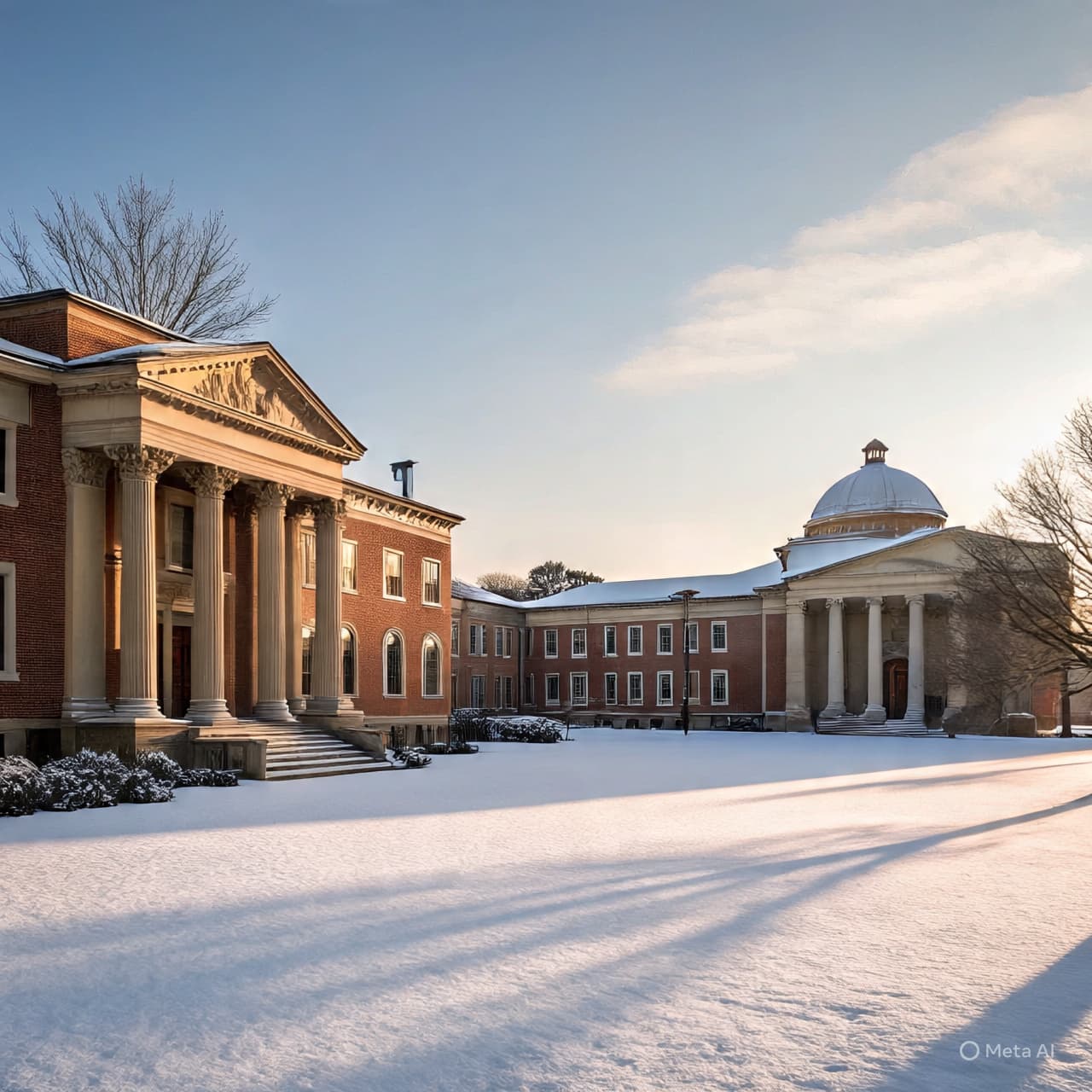
In the quiet halls of academic tradition, where the past often whispers through ivy-clad walls and polished corridors, change arrives like a soft yet unmistakable wind. The University of Virginia, an institution steeped in history and careful governance, recently witnessed a subtle yet profound shift in its leadership. As sunlight filters through the rotunda’s windows, it illuminates not just the timeless architecture but also the turning of a page in the university’s governance, where the old stewards step aside for a new chapter guided by fresh voices.
The resignation of U‑Va. board leaders marks a moment of transition, a pause between the familiar rhythms of oversight and the possibilities brought by new leadership. With Representatives Abigail Spanberger and the Democratic Party assuming greater influence, the board now faces the delicate task of balancing continuity with innovation. This reshaping is not merely administrative—it reflects the quiet negotiation between past priorities and emerging perspectives, where every decision is shaded by legacy yet inspired by hope.
Observers note that such transitions, though often understated, ripple through the institution, touching faculty councils, student committees, and research agendas alike. The departing board members, who guided policy and strategy through complex terrains, leave behind frameworks both firm and flexible, allowing successors to navigate the evolving landscape. Amid the procedural formality, one senses a narrative of renewal: leadership is not static, and the university’s journey is continuous, guided by dialogue, deliberation, and thoughtful stewardship.
In practical terms, the University of Virginia’s Board of Visitors will now integrate new members aligned with the incoming political administration, with key positions vacated by the resignations. These changes are expected to influence decisions on budget priorities, campus initiatives, and strategic planning, while university operations and academic programs continue uninterrupted. Both students and faculty have expressed cautious optimism, emphasizing the hope that the transition will strengthen governance without disrupting the university’s core mission.
AI Image Disclaimer Visuals are created with AI tools and are not real photographs.
Sources The Washington Post Virginia Business WVIR / 29News The Cavalier Daily AP News / Washington Post
Published by Banx Network. This article is part of the Banx decentralized media programme, powered by the BXE token on the XRP Ledger.