
Key Highlights
- CBS canceled Stephen Colbert's interview with Rep. James Talarico, citing FCC concerns.
- Colbert expressed frustration, highlighting issues of media censorship.
- The incident raises questions about the balance between regulatory oversight and free expression.
Stephen Colbert has publicly revealed that CBS chose not to broadcast his interview with Rep. James Talarico, citing concerns about potential repercussions from the Federal Communications Commission (FCC). This revelation has ignited discussions about the balance between media freedom and regulatory oversight, particularly in an era where political discourse is increasingly scrutinized.
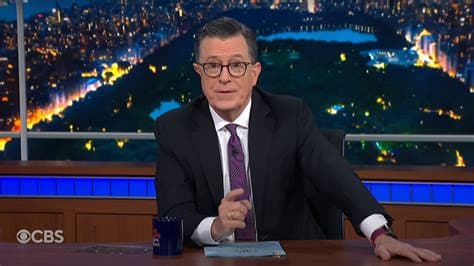
During a recent episode of 'The Late Show with Stephen Colbert,' the host expressed his frustration over the network's decision, suggesting that it reflects a broader issue of censorship within the media landscape. Colbert emphasized that Talarico's insights on critical political issues, including education and criminal justice reform, deserved to be heard. The decision to pull the segment raises significant questions about the editorial independence of media organizations and their willingness to engage with controversial topics.
The FCC, responsible for regulating interstate and international communications, has long been a point of contention for broadcasters. Critics argue that its rules can stifle free expression, particularly when it comes to political content. Colbert's comments underscore an evolving tension between entertainment, political discourse, and regulatory frameworks, highlighting the challenges that networks face in navigating these complex issues.
Rep. Talarico, a rising star in Texas politics, has been vocal about various issues that challenge the status quo. His perspectives often provoke strong reactions, which can attract scrutiny from regulatory bodies. The cancellation of his interview raises concerns about whether networks are prioritizing compliance with FCC regulations over the public's right to access diverse viewpoints.
As conversations surrounding this incident continue, industry experts and advocates for free speech are calling for greater transparency regarding content decisions made by networks. Colbert's platform has become a space for robust political commentary, and this episode sheds light on the pressures that broadcasters face in navigating complex regulatory environments. The implications of this incident extend beyond just one interview, raising important questions about the future of political discourse in media and the role of networks in facilitating or hindering open conversation.
In the wake of Colbert's revelations, discussions about media censorship and the influence of regulatory bodies are likely to intensify. As audiences demand more transparency and accountability from their media sources, the balance between regulatory compliance and editorial freedom will remain a critical issue for broadcasters moving forward.
Published by Banx Network. This article is part of the Banx decentralized media programme, powered by the BXE token on the XRP Ledger.



