

Key Highlights
- Investment:The Indian government is increasing funding for high-speed rail and industrial corridors.
- Economic Impact:Improved rail connectivity is expected to boost business, tourism, and regional development.
- Job Creation:Major infrastructure projects will generate employment across various sectors.
India's railway system has long been a vital artery for the nation, facilitating the movement of workers, students, and families while driving economic growth. Recently, the Indian government has announced significant investments aimed at accelerating the construction of high-speed rail networks and industrial corridors. These initiatives are part of a broader strategy to modernize infrastructure and enhance transportation efficiency across the country.
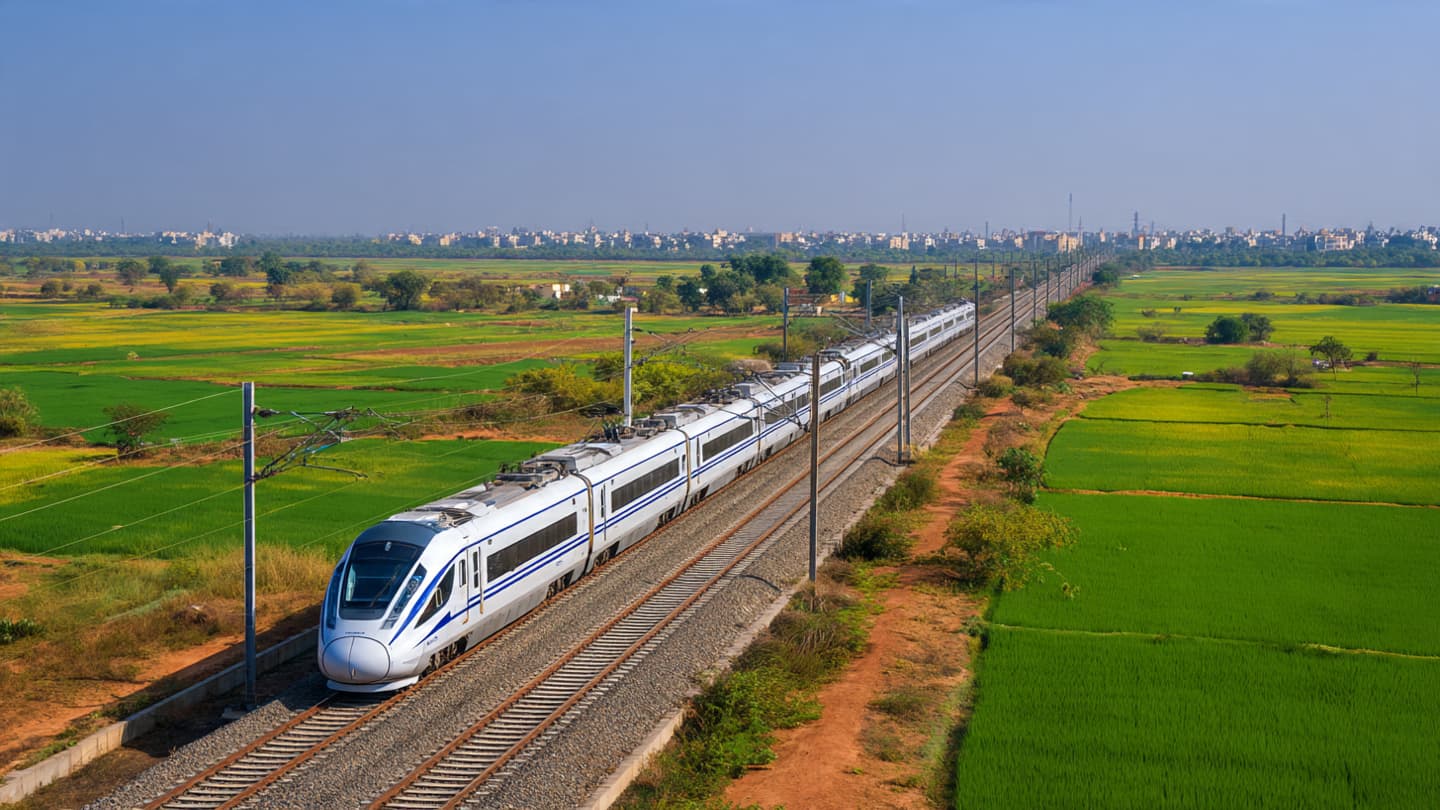
The expansion of high-speed rail systems is poised to revolutionize travel within India, significantly reducing journey times between key economic hubs. This improved connectivity is expected to stimulate business activity and tourism, making it easier for people to travel for work or leisure. As urban areas continue to grow, the demand for efficient transportation solutions becomes increasingly critical, and high-speed rail offers a promising answer.
In tandem with these rail projects, the development of industrial corridors is set to create integrated zones that facilitate manufacturing, logistics, and commerce. By linking major urban centers with ports and highways, these corridors will enhance the movement of goods and services, thereby supporting businesses and improving overall productivity. The combination of modern rail systems and industrial infrastructure is essential for meeting the demands of a rapidly urbanizing population.
India's economic landscape has evolved dramatically in recent years, with urbanization and industrial growth driving the need for expanded infrastructure. Policymakers recognize that investing in transportation and logistics is crucial for maintaining competitiveness in a global market. The construction of high-speed rail and industrial corridors not only addresses immediate transportation needs but also lays the groundwork for long-term economic sustainability.
Moreover, these infrastructure projects are expected to create numerous job opportunities across various sectors. From engineers and construction workers to suppliers and technology firms, the economic activity generated during both the construction and operational phases will have a ripple effect throughout the economy. This job creation is particularly important as India seeks to harness its demographic dividend and provide employment for its growing workforce.
Environmental considerations are also integral to the planning of these infrastructure projects. Modern rail systems are designed to be energy-efficient, offering a sustainable alternative to traditional transportation methods. Additionally, integrated industrial planning can optimize logistics, reducing transportation costs and minimizing environmental impact. As India moves forward with these initiatives, balancing economic growth with environmental sustainability will be a key focus.
International partnerships have played a significant role in supporting India's infrastructure initiatives. Through technology sharing and investment cooperation, countries can exchange expertise and strengthen economic ties. These collaborations not only enhance the quality of infrastructure projects but also foster goodwill and mutual understanding between nations.
As India continues to expand its rail and industrial projects, the potential for sustainable economic growth and improved connectivity becomes increasingly apparent. The new lines and corridors being developed are not just about transportation; they represent a commitment to enhancing commerce, strengthening regional links, and providing lasting benefits for future generations.
Published by Banx Network. This article is part of the Banx decentralized media programme, powered by the BXE token on the XRP Ledger.




