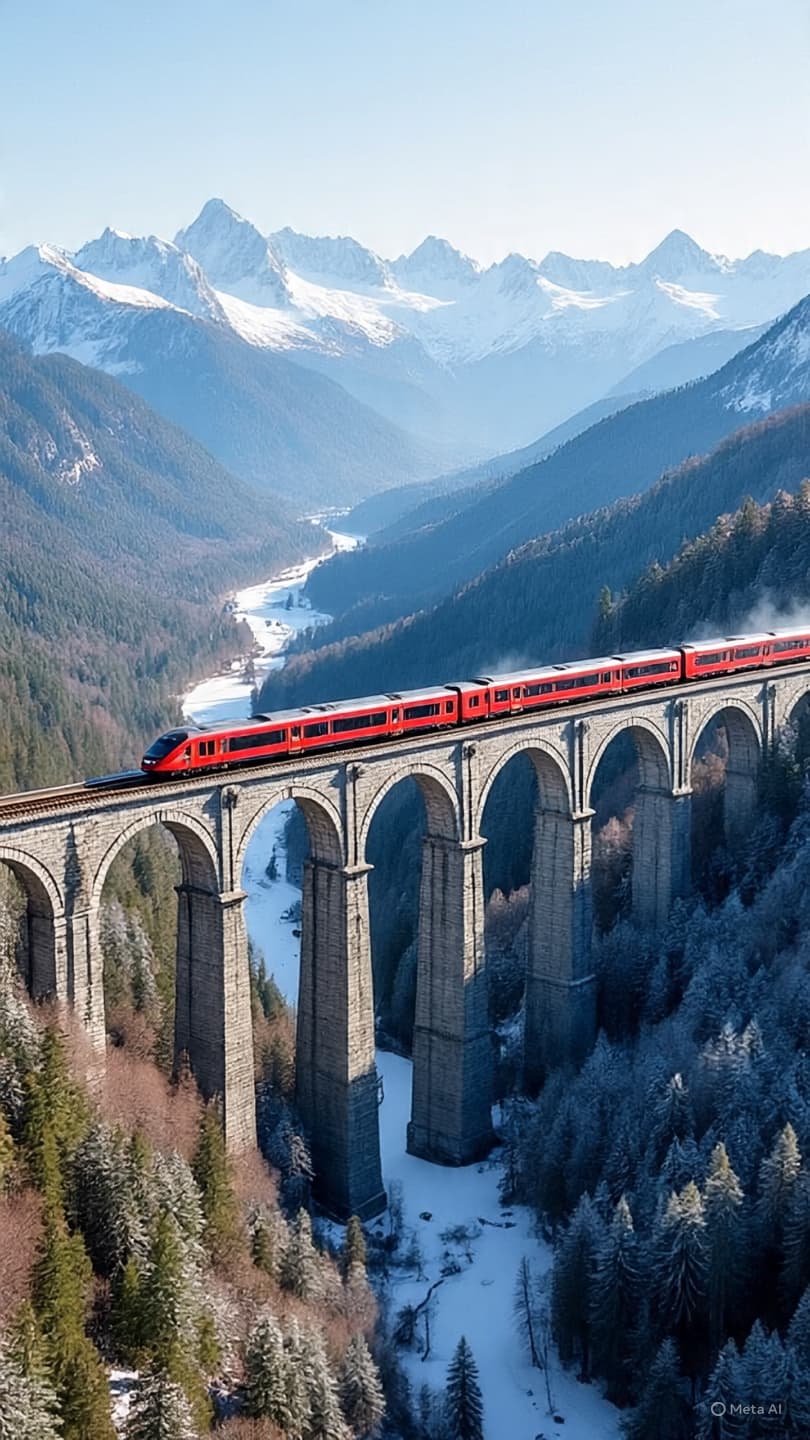
Switzerland’s transportation system is often regarded as one of the most advanced and reliable in the world. Its network of trains, buses, and cable systems connects remote alpine villages with major cities through a level of coordination admired globally.
Yet, reports from Reuters and The Washington Post highlight that natural conditions in mountainous regions can still influence transport operations. Heavy snowfall, storms, and occasional landslides may cause temporary delays or rerouting in certain areas.
Swiss authorities invest heavily in infrastructure resilience, including tunnels, reinforced rail lines, and real-time monitoring systems. These measures help ensure that safety and reliability remain top priorities even in challenging terrain.
While disruptions can occur, they are generally short-lived and managed efficiently. The system is designed not to eliminate nature’s influence entirely, but to adapt to it with precision and planning.
As a result, Switzerland continues to demonstrate how modern infrastructure can coexist with one of the most demanding natural environments in the world.
AI IMAGE DISCLAIMER Graphics are AI-generated and intended for representation, not reality.
SOURCES : Reuters, Washington Post, Swiss tourism board, European transport reports, The Guardian
Published by Banx Network. This article is part of the Banx decentralized media programme, powered by the BXE token on the XRP Ledger.