The morning began the way northern mornings often do—cold, pale, restrained. Outside St. Petersburg, the land lay quiet under winter air, pine forests standing still, fences tracing lines of order through the frost. Then the stillness broke. A force moved through the ground, through walls and windows, a sudden reminder that even the most controlled places can fracture without warning.
A deadly explosion struck a Russian military site near the city, according to authorities, killing several people and injuring others. The blast was powerful enough to be felt beyond the perimeter, sending emergency crews racing toward a place designed to keep danger contained. Officials said the explosion occurred at a facility linked to military storage or operations, though early statements offered limited detail, as investigations began and access was restricted.
In Russia’s northwest, military installations are part of the landscape—often unseen, rarely discussed. They sit among ordinary roads and villages, places where daily life flows close to guarded gates. When something goes wrong inside those boundaries, the effects travel outward, not only as shockwaves but as questions. Residents reported hearing a loud bang, some describing rattling windows and a brief, unsettling sense that the ground itself had shifted.
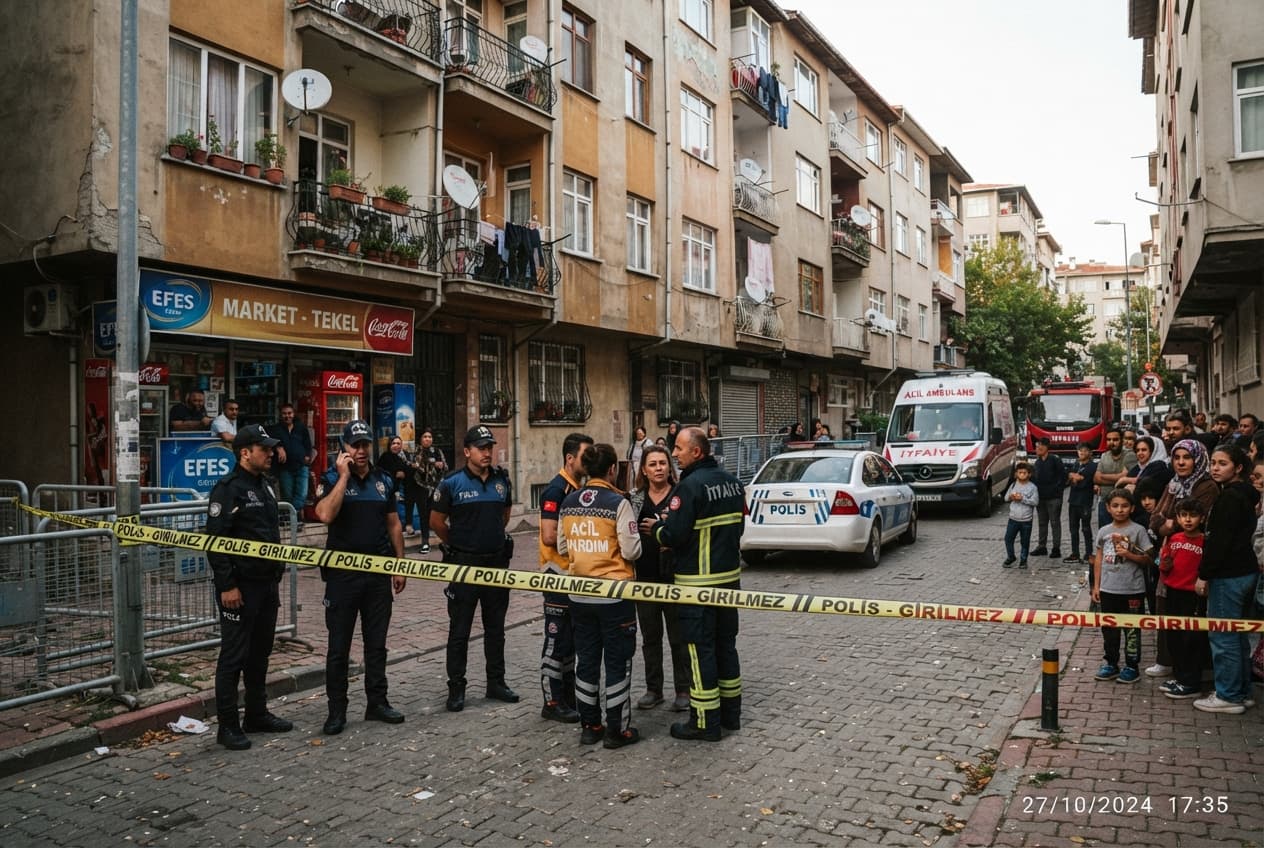
Authorities moved quickly to secure the site, cordoning off nearby areas and deploying fire and medical teams. Officials said there was no immediate threat to the public, while investigators worked to determine the cause. Early reports suggested an accident during handling or storage of military materials, though no definitive explanation was confirmed. In such moments, language becomes careful, provisional, shaped by what is known and what remains sealed behind official statements.
Explosions at military facilities are rare but not unheard of, and each carries a particular weight. They hint at the risks embedded in systems built for force and defense, where precision is demanded and error can be fatal. In a country engaged in prolonged military activity, such incidents resonate quietly, even when they are framed as isolated events.
As the day wore on, smoke thinned, and the winter air returned to its usual clarity. Traffic resumed on nearby roads. Life adjusted, as it often does. Yet something lingers after a blast—not just debris or damage, but a pause in the collective rhythm. A reminder that power, carefully stored and tightly guarded, is never entirely still, and that even in the cold calm near St. Petersburg, the ground can remember how to shake.
AI Image Disclaimer Illustrations were created using AI tools and are not real photographs.
Sources Reuters; Associated Press; TASS; BBC News; The Guardian
Published by Banx Network. This article is part of the Banx decentralized media programme, powered by the BXE token on the XRP Ledger.