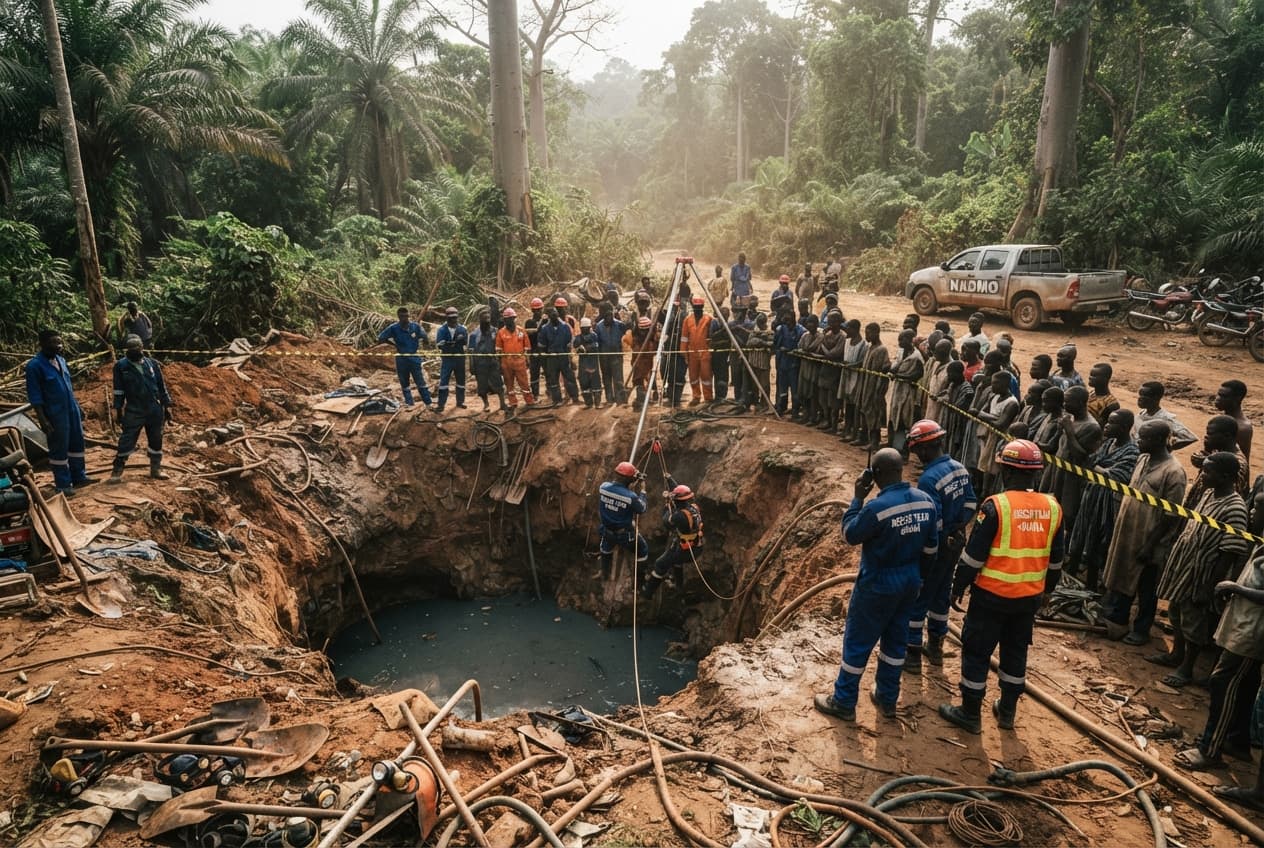
Across the wide stretches of the Eurasian north, winter often lingers longer than expected. Snow settles across pipelines that run like steel rivers through forests and tundra, carrying energy thousands of miles toward distant markets. In these quiet landscapes, the flow of oil and gas has long shaped the rhythm of Russia’s economy—an invisible current connecting remote wells to global fortunes.
In recent weeks, that current has begun to move with renewed force. Rising global energy prices have lifted the value of Russia’s oil and gas exports, bringing a sudden shift in economic mood after months of pressure from sanctions and geopolitical tension.
The surge has been driven by tightening supply in global energy markets, where uncertainty surrounding conflicts in the Middle East and disruptions to shipping routes have pushed prices higher. As benchmarks for crude oil and natural gas climb, countries that rely heavily on energy exports find themselves unexpectedly buoyed by the change.
For Russia, whose economy remains deeply tied to hydrocarbon revenues, the shift has provided a moment of financial relief. Energy exports account for a significant share of the country’s state income, funding government programs, infrastructure, and military spending. When prices rise, the impact often ripples quickly through national budgets and currency markets.
Officials in Moscow have responded with cautious optimism. Analysts note that higher prices can help offset some of the economic strain caused by Western sanctions imposed since Russia’s invasion of Ukraine. While restrictions on trade and finance remain in place, elevated energy revenues can soften their immediate impact.
Energy markets, however, rarely stand still for long. The same volatility that lifts prices can just as easily reverse them. Traders in global commodity hubs—from London to Singapore—watch developments closely, aware that geopolitical tensions, production shifts, and diplomatic decisions can reshape supply and demand with remarkable speed.
In the meantime, Russia has continued to redirect much of its oil and gas exports toward Asian markets, strengthening trade ties with countries seeking reliable energy supplies. Tankers carrying Russian crude now sail longer routes, moving through busy sea lanes toward refineries far from Europe’s traditional energy networks.
The shift reflects a broader transformation underway in the global energy system. As political alliances evolve and markets adapt to sanctions and supply disruptions, the flow of resources follows new paths across oceans and continents.
Yet for Russia, the immediate effect of rising prices is unmistakable. Government revenues improve, financial markets steady, and officials speak more confidently about the resilience of the country’s economy.
Still, beneath the surface of these gains lies the familiar uncertainty of commodity-driven prosperity. Oil and gas prices rise and fall with the shifting tides of global politics and demand, offering moments of relief but rarely permanent stability.
For now, the pipelines continue their steady journey across Russia’s vast landscape, carrying energy outward into a world where markets and conflicts remain closely intertwined. In that movement—quiet, constant, and powerful—the country finds a brief reversal of fortune, shaped not by sudden change at home but by the restless forces of the global energy economy.
AI Image Disclaimer These visuals are AI-generated conceptual illustrations and do not depict real photographs.
Sources Reuters Bloomberg BBC The New York Times Financial Times
Published by Banx Network. This article is part of the Banx decentralized media programme, powered by the BXE token on the XRP Ledger.