
Key Highlights
- New reforms introduced to combat persistent inflation in Argentina.
- Measures aim to strengthen fiscal management and boost market confidence.
- Policymakers emphasize the need for coordinated fiscal and monetary actions.
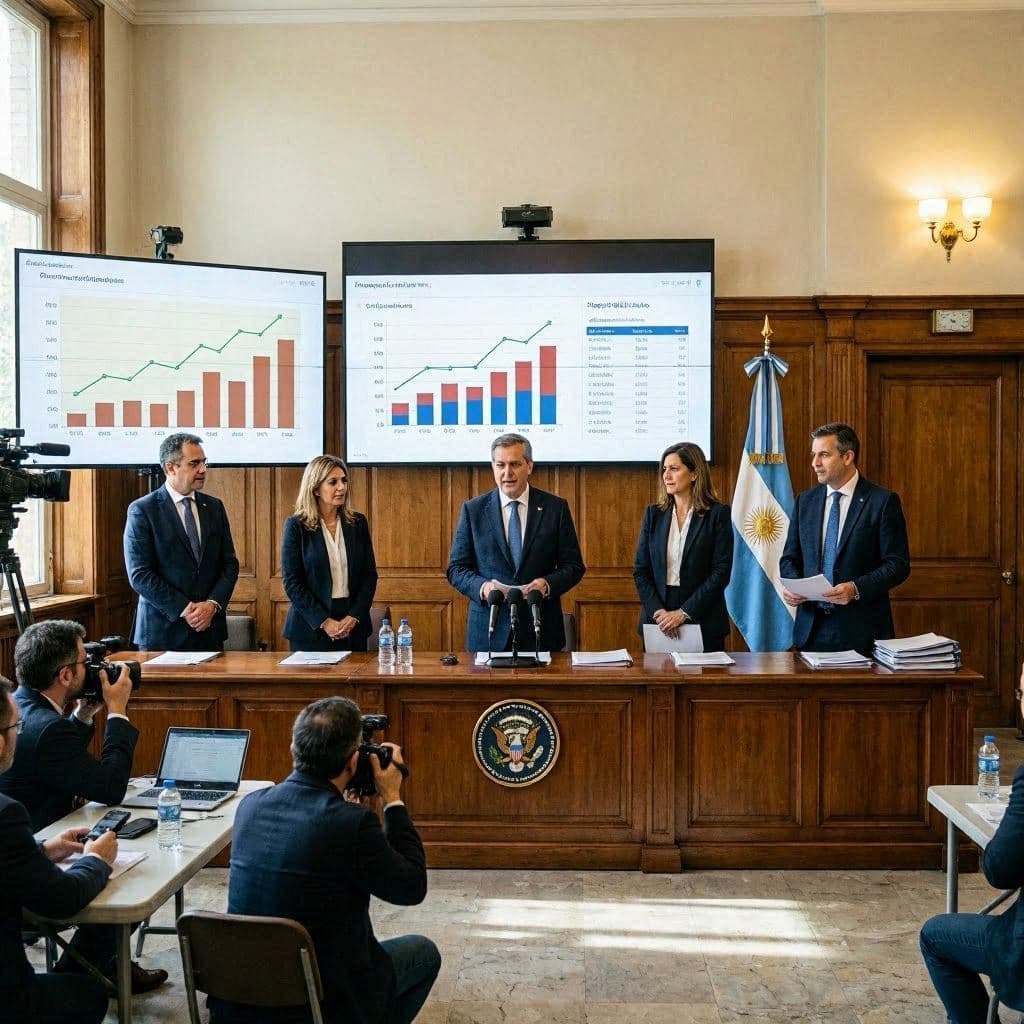
Argentina's economic landscape has been shaped by persistent inflation, which has significantly impacted household budgets and business planning. In response, the Argentine government has unveiled a new economic reform package aimed at addressing these inflationary pressures while fostering sustainable growth. This latest initiative represents a continuation of the government's efforts to restore stability and create a more predictable economic environment for households, businesses, and investors.
The reform package includes a series of measures designed to enhance fiscal management, improve tax administration, and coordinate monetary policy. Government representatives have stated that these reforms are essential for creating a stable economic framework that can support long-term recovery. By adjusting public spending and implementing policies that promote market confidence, officials hope to mitigate the effects of inflation on everyday life.
Inflation has been a significant challenge for Argentina, affecting consumer purchasing power and creating uncertainty across various sectors. Rising prices have impacted essential goods and services, making economic stability a top priority for policymakers. Officials have emphasized that controlling inflation requires a comprehensive approach that integrates both fiscal and monetary policies, rather than relying on isolated measures.
In addition to addressing inflation, the reform package aims to improve public finances by promoting budget discipline and encouraging private-sector investment. Authorities believe that enhancing fiscal credibility will stabilize financial markets and bolster broader economic confidence. Several proposed measures focus on simplifying regulatory processes, increasing transparency, and fostering conditions conducive to long-term business expansion.
Economists highlight that tackling inflation is often a gradual process that necessitates consistent policy implementation over time. While financial markets may react swiftly to government announcements, tangible improvements in consumer prices and economic activity typically take longer to materialize. Analysts suggest that sustained policy consistency will be crucial in determining the overall effectiveness of the reforms.
Business organizations have shown cautious optimism regarding the government's proposals, recognizing that increased economic predictability can facilitate investment decisions and promote job growth. Key sectors, including manufacturing, exporting, and finance, are expected to closely monitor the implementation of new regulations and fiscal measures. International investors are also keeping a watchful eye for signs of ongoing policy stability and institutional credibility.
As Argentina navigates its economic challenges, international financial institutions remain attentive to the country's developments. Cooperation with global financial partners is a vital aspect of Argentina's broader economic strategy, particularly concerning debt management, investment, and financial reform. Analysts underscore that external confidence often correlates with consistent domestic policy performance.
The announcement of the reform package marks a significant step in Argentina's ongoing efforts to tackle its economic challenges. While inflation remains a multifaceted issue influenced by both domestic and global factors, policymakers are hopeful that the new measures will contribute to greater financial stability and sustainable growth over time. Ultimately, the success of these reforms will be evaluated based on their ability to enhance economic conditions and foster confidence among citizens, businesses, and international partners.
Published by Banx Network. This article is part of the Banx decentralized media programme, powered by the BXE token on the XRP Ledger.



