Construction has begun on a full-scale pilot plant for a small modular reactor (SMR) design in Helsinki, marking a significant step for Finland’s emerging nuclear technology sector.
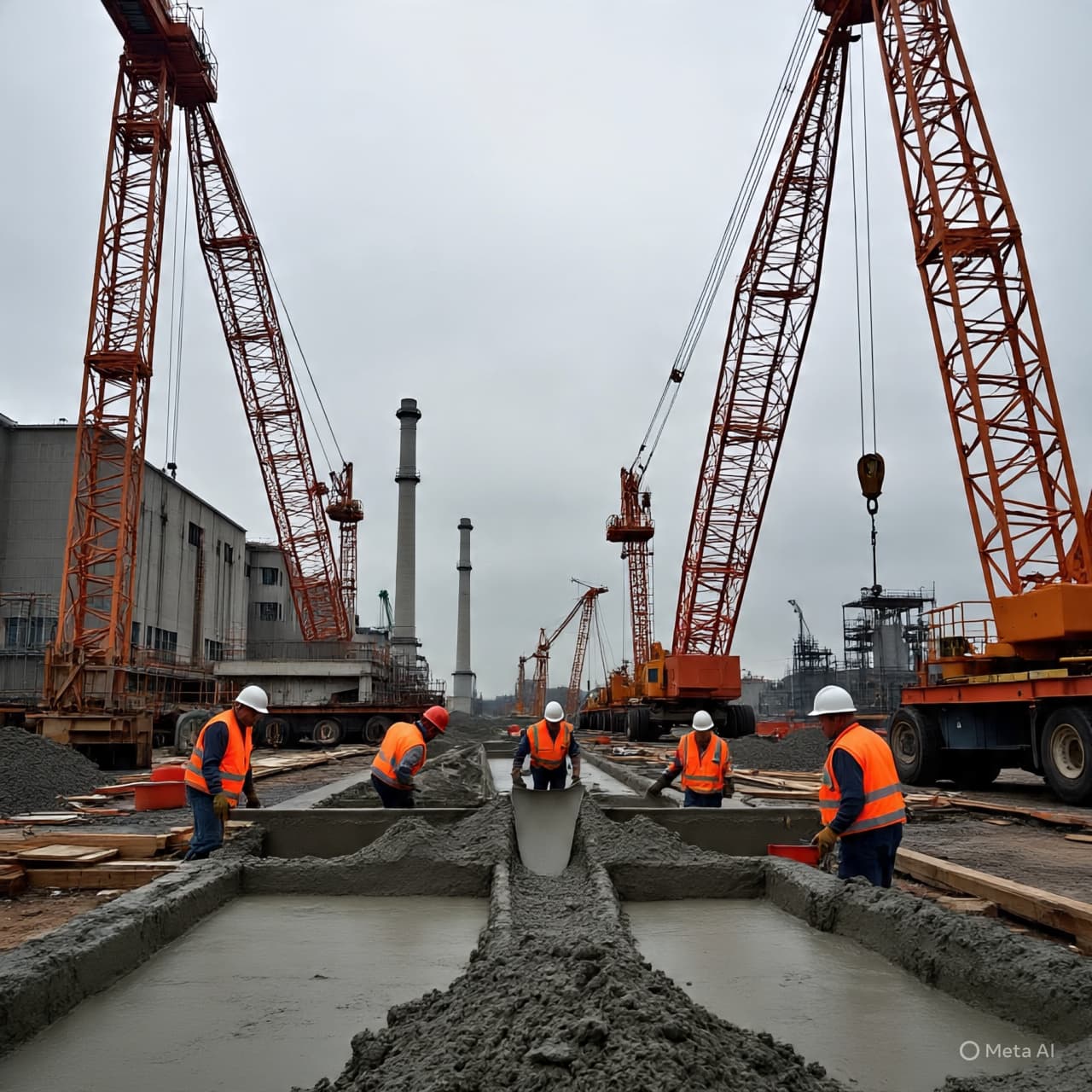
Finnish developer Steady Energy has poured the first concrete for a non-nuclear version of its LDR-50 small modular reactor at the site of the former Salmisaari B coal-fired power station in central Helsinki. The project is designed to demonstrate the technical and operational aspects of the reactor system without using nuclear fuel.
The LDR-50 is intended primarily for district heating, a critical component of energy systems in Nordic countries where centralized heating networks serve large urban populations. By focusing on heat production rather than electricity generation, the design aims to provide a low-carbon alternative to fossil fuel-based heating plants.
The pilot facility will test key systems, including thermal performance, safety mechanisms, and integration with district heating infrastructure. As a non-nuclear installation, the site allows engineers to validate design and construction methods under real-world conditions while operating within a different regulatory framework than a licensed nuclear reactor.
The choice of the Salmisaari B site carries symbolic weight. The former coal plant, once part of Helsinki’s fossil-fuel energy mix, has been decommissioned as part of Finland’s broader climate goals. Repurposing the location for a clean-energy demonstration reflects the country’s transition toward lower-emission energy sources.
Small modular reactors have gained increasing attention across Europe and North America as governments seek reliable, low-carbon energy options. Proponents argue that SMRs offer scalability, standardized construction, and enhanced safety features compared to traditional large-scale nuclear plants. However, commercial deployment remains in early stages, with many designs still undergoing regulatory review and demonstration.
For Finland, which already operates conventional nuclear power plants as part of its energy system, district heating presents a distinct opportunity for innovation. Urban heating accounts for a substantial share of energy use in colder climates, and replacing coal and natural gas in this sector is seen as an important climate objective.
Steady Energy has positioned the pilot as a proof-of-concept step toward eventual commercial units, pending regulatory approvals and investment decisions. The company has indicated that lessons learned from the non-nuclear facility will inform future reactor licensing and construction plans.
As construction progresses, attention will likely focus on technical performance, cost projections, and regulatory pathways. While the pilot does not generate nuclear energy, it represents a tangible move from design to physical infrastructure in Finland’s exploration of next-generation reactor technology.
Published by Banx Network. This article is part of the Banx decentralized media programme, powered by the BXE token on the XRP Ledger.