
Key Highlights
- Switzerland has maintained neutrality for over 200 years, focusing on sovereignty.
- Ireland's neutrality has shaped its foreign policy since the mid-20th century.
- Both nations face pressure to reassess their stances amid rising global threats.
[Switzerland’s Neutrality Debate]
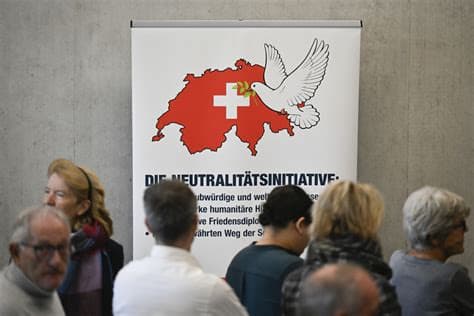
Switzerland has upheld a policy of neutrality for more than two centuries, rooted in its desire to avoid entanglement in international conflicts and to preserve its sovereignty. This longstanding neutrality has positioned Switzerland as a diplomatic hub, hosting numerous international organizations, including the Red Cross and various United Nations agencies. However, recent geopolitical tensions, particularly the ongoing conflict in Ukraine, have intensified scrutiny of Swiss neutrality. Calls for the nation to provide military support to Ukraine have grown, emphasizing the need for Switzerland to reconsider its historical stance in light of contemporary threats. This debate reflects a tension between traditional values of neutrality and the moral imperative to support global stability and human rights.
[Ireland’s Neutrality Discourse]
Similarly, Ireland's neutrality has been a defining feature of its foreign policy, guiding decisions since the mid-20th century. The country has prioritized protecting its sovereignty and retaining independence from military alliances, often positioning itself as a peacekeeper in international contexts. Ireland has participated in UN peacekeeping missions rather than engaging in direct military alliances. However, the recent security environment, particularly following Brexit and increased EU defense cooperation, has led to renewed discussions among Irish political leaders and the public. The growing threats posed by terrorism and aggression highlight a compelling need for Ireland to reassess its defense strategy, provoking discourse on whether participation in collective security agreements may be warranted.
[Common Themes and Divergences]
Both Switzerland and Ireland confront the challenge of balancing their traditional commitments to neutrality with emerging security threats. Public opinion in Switzerland appears increasingly divided about maintaining the status quo, while Ireland’s political landscape is evolving, with some parties advocating for a more active role in European defense. Despite these complexities, both nations emphasize the importance of diplomacy and international cooperation, aligning with their historical identities. Each country’s cultural context and political structures significantly shape how debates on neutrality unfold, reflecting domestic priorities and historical lessons.
As global geopolitical dynamics continue to shift, the debates in Switzerland and Ireland serve as vital reflections of broader discussions on neutrality and military engagement. These discussions reveal how nations adapt traditional policies in an increasingly interconnected world. The outcomes of these debates will undoubtedly influence their futures on the international stage and their roles in global security frameworks.
Published by Banx Network. This article is part of the Banx decentralized media programme, powered by the BXE token on the XRP Ledger.



