
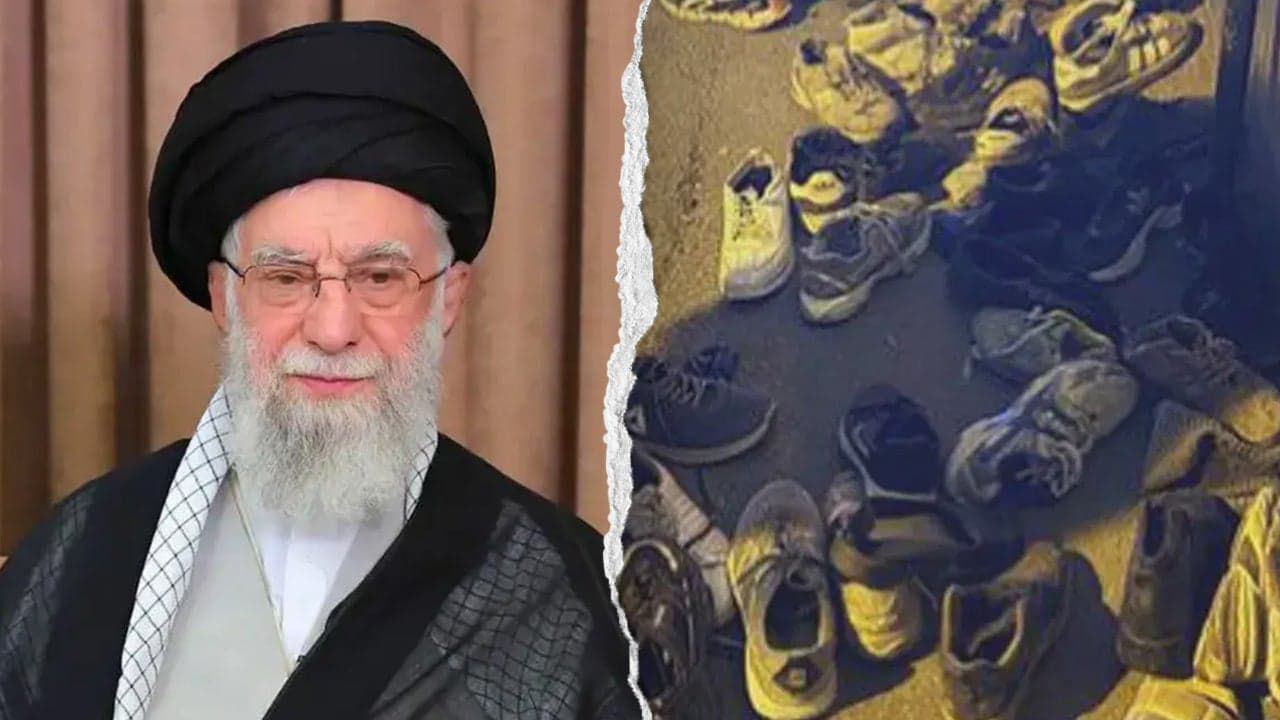
Key Highlights
- Statistical analysis indicates Iran's protest death toll may be significantly underestimated.
- Eyewitness accounts and independent reports reveal discrepancies in official figures.
- Increased scrutiny on Iranian authorities' handling of civil unrest and human rights issues.
Recent statistical analysis has revealed that the death toll from ongoing protests in Iran could be far greater than the figures reported by the government. This finding has led to increased scrutiny of the Iranian authorities' claims and their handling of civil unrest. The analysis draws on various datasets, including eyewitness accounts and independent reports, suggesting discrepancies in the official count of fatalities.
Activists and human rights organizations have long raised alarms about the government's transparency regarding violence during protests. The Iranian government has officially reported a death toll of 3,117, but many believe this figure does not reflect the true extent of the violence. Reports from various human rights groups indicate that the actual number of casualties could be much higher, with estimates suggesting that thousands more may have died in the unrest.
The protests, which erupted over various social and economic grievances, have met with a heavy-handed response from security forces. Eyewitness testimonies suggest that many casualties may have gone unrecorded or unreported due to government suppression of dissent and media restrictions. This suppression has made it difficult for independent observers to verify the true scale of the violence.
As the situation evolves, calls for accountability and transparency are likely to intensify. The international community is increasingly concerned about human rights violations in Iran, and this revelation could potentially alter the narrative surrounding the protests. Activists are urging foreign governments and organizations to take a stand against the Iranian regime's actions and to demand an independent investigation into the reported deaths.
The implications of this analysis extend beyond the immediate context of the protests. It raises critical questions about the Iranian government's ability to manage dissent and public unrest. As protests continue, the regime faces mounting pressure both domestically and internationally to address the grievances of its citizens and to provide a more accurate account of the violence.
In conclusion, the statistical analysis highlighting the potential underreporting of the death toll in Iran's protests underscores the urgent need for transparency and accountability from the Iranian authorities. As activists and human rights organizations continue to push for change, the world watches closely, hoping for a resolution that respects the rights and lives of the Iranian people.
Published by Banx Network. This article is part of the Banx decentralized media programme, powered by the BXE token on the XRP Ledger.



