In the vast tapestry of the cosmos, explosions mark both ends and beginnings — brilliant, brief, and bearing witness to the forces that forge our universe. Astronomers now believe they may have glimpsed a rare and remarkable cosmic event: a possible “superkilonova” that may have exploded not once but twice, weaving together two of the most powerful stellar phenomena known to science.
Usually, when a star dies, it goes out with a single, spectacular burst. Supernovae — the explosive deaths of massive stars — scatter elements such as carbon and iron across space, seeding future stars and planets. Kilonovae, in contrast, arise when two neutron stars — ultradense remnants of dead stars — spiral together and merge, forging even heavier elements like gold and uranium. Both are rare and powerful, but until now have remained distinct in cosmic storytelling.
The event at the heart of this discovery, labeled AT2025ulz, was first noticed in August 2025 after gravitational-wave detectors including LIGO and Virgo picked up a faint signal consistent with some sort of neutron star merger. That was swiftly followed by light observed from the same region of the sky, initially resembling the fast-fading glow expected of a kilonova. But soon after, the light shifted — brightening again and showing features reminiscent of a supernova.
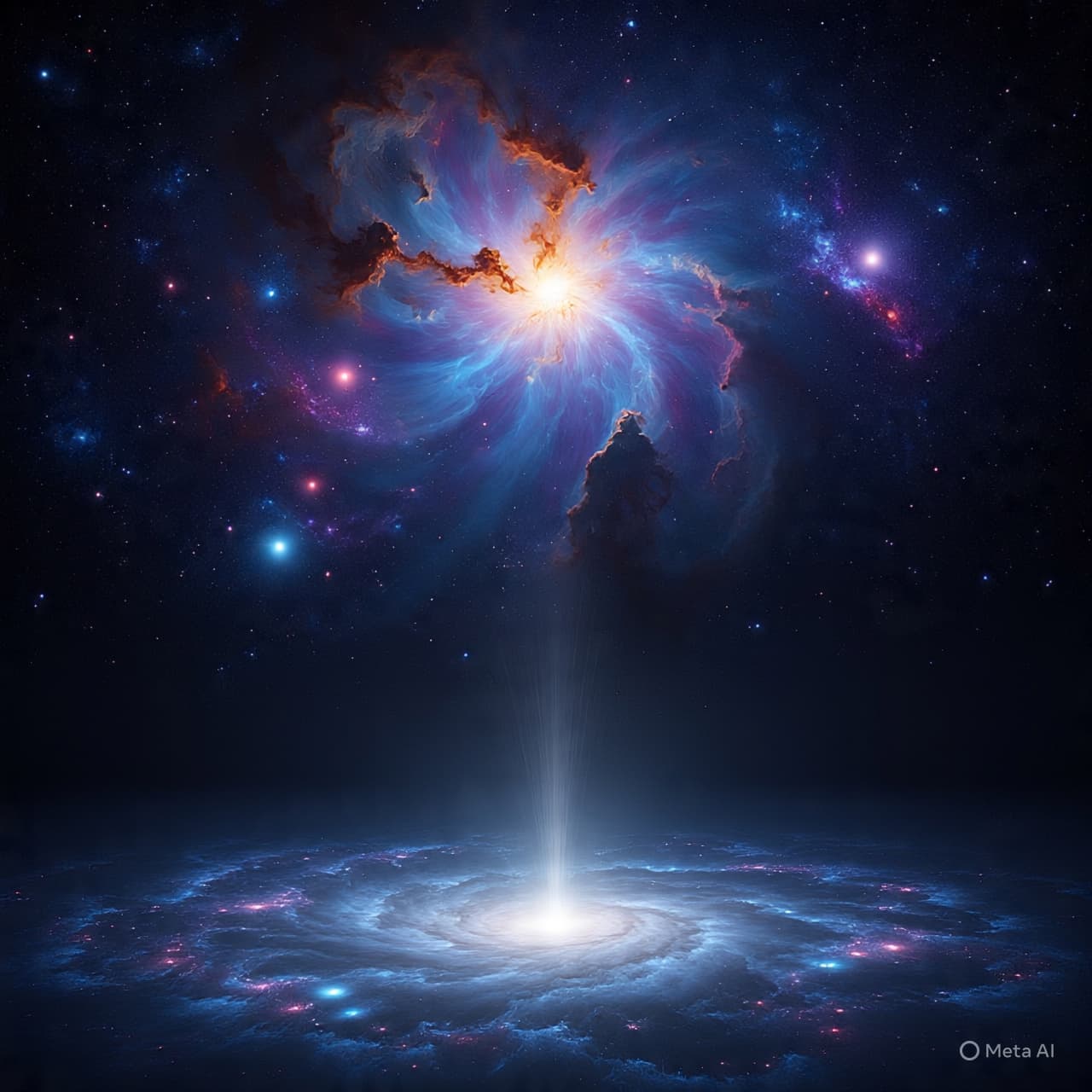
This odd sequence — first kilonova-like, then supernova-like — has led researchers to propose a superkilonova: a hybrid, and possibly the first observed example of such a phenomenon. In this scenario, a supernova explosion may have first occurred when a massive star’s core collapsed, creating one or even two newborn neutron stars. Those neutron stars may then have merged shortly afterward — perhaps within hours or days — producing a kilonova whose light was partly obscured by the expanding debris from the earlier blast.
The existence of such an event had long been hypothesized by theorists, but this may be the first observational evidence of it — a cosmic double act playing across gravity waves and light. If confirmed, this could broaden our understanding of how the heaviest elements in the universe are forged and reveal new channels by which neutron stars form and interact.
Yet scientists are cautious. While the pattern of observations fits the superkilonova idea, the evidence is not yet conclusive — and further observations of similar events will be needed to validate this interpretation. Future gravitational-wave detections paired with detailed electromagnetic observations promise to either bolster or refine this emerging picture of double explosions occurring in the cosmos.
In the space between stars long dead and elements newly born, events like AT2025ulz remind us that the universe still holds surprises, retelling its oldest stories with unexpected turns.
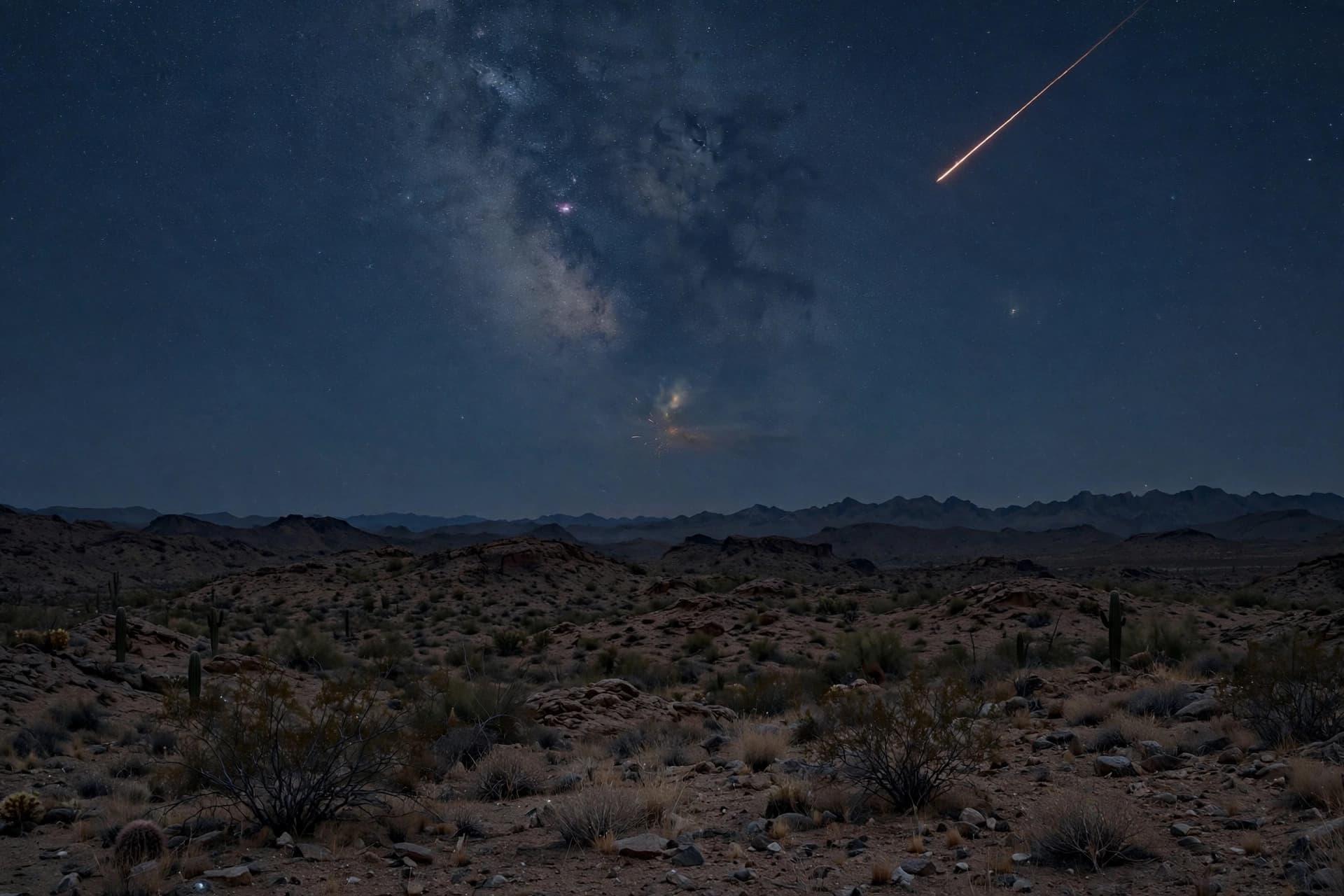
AI Image Disclaimer Images in this article are AI-generated illustrations, meant for concept only.
Sources Caltech News – Possible “Superkilonova” Exploded Not Once But Twice Keck Observatory – “Superkilonova” A Star So Nice, It Explodes Twice Columbia News – Researchers Observe Possible ‘Superkilonova’
Published by Banx Network. This article is part of the Banx decentralized media programme, powered by the BXE token on the XRP Ledger.