
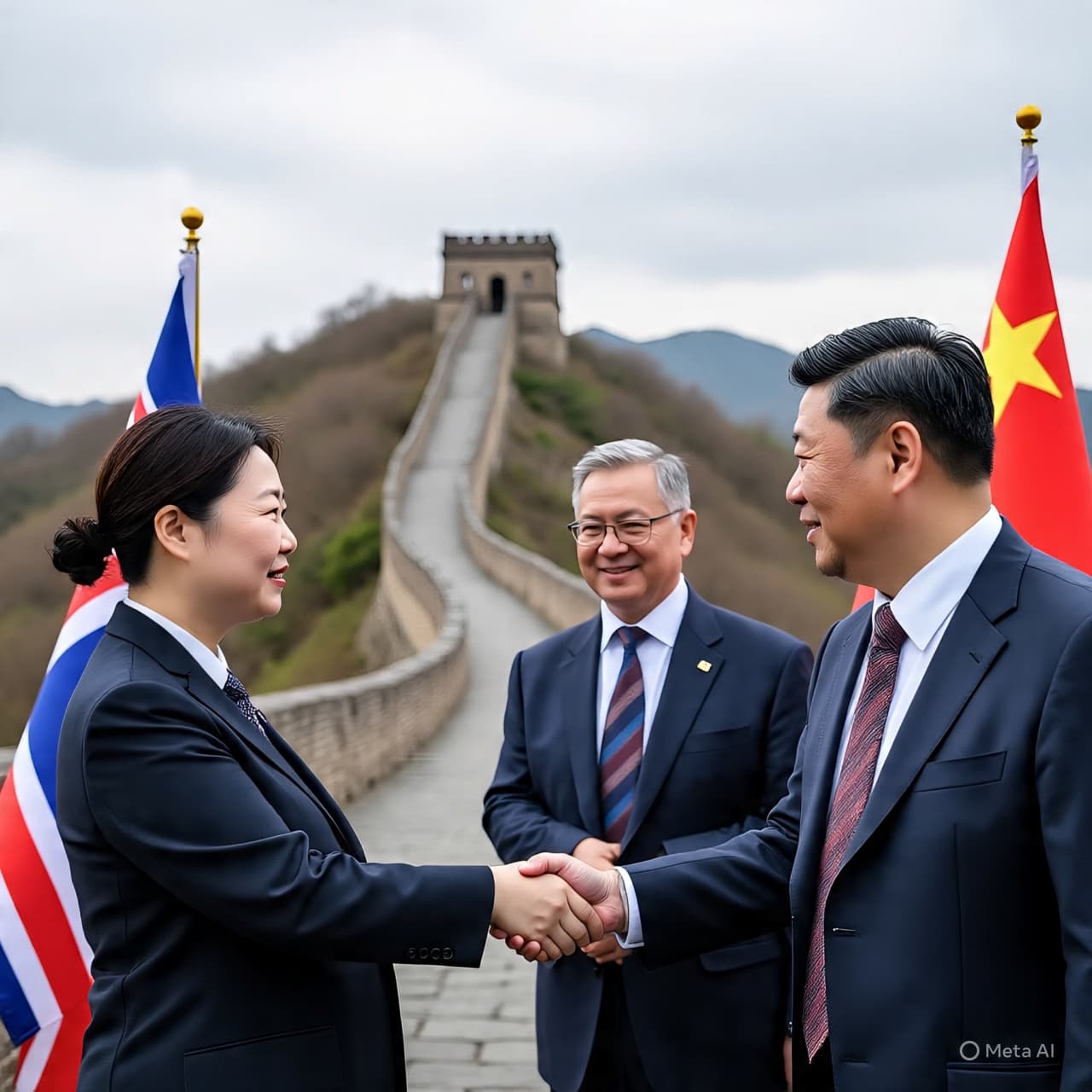
Key Highlights
- Starmer's visit to Beijing reflects a shift in UK foreign policy.
- The UK aims to strengthen economic ties with China post-Brexit.
- Human rights issues complicate the diplomatic landscape.
As Sir Keir Starmer, the leader of the UK Labour Party, embarks on a significant visit to Beijing, the implications of this trip extend beyond mere political maneuvering. It represents a broader recalibration of Britain's foreign policy, moving away from a strictly Western-centric approach towards a more pragmatic engagement with China. This shift is particularly relevant in the context of the UK's post-Brexit landscape, where the need for new economic partnerships has become paramount.
The phrase "pivot to China" has gained traction in British political discourse, highlighting the necessity for the UK to reassess its global alliances. With China emerging as a formidable economic and geopolitical force, the UK recognizes the importance of fostering relationships that can enhance its global standing. Starmer's visit is emblematic of this shift, as he seeks to balance traditional alliances with the United States and Europe while simultaneously engaging with China’s vast market potential.
Starmer's agenda is expected to focus on economic collaboration, particularly in sectors such as technology, finance, and green energy. The UK's ambition to lead in clean energy technologies aligns with China's increasing investment in green innovation, suggesting potential avenues for cooperation. However, this economic engagement is not without its challenges. The UK must navigate the complexities of its relationship with China, especially concerning human rights issues that have drawn international scrutiny.
The human rights record of China remains a contentious topic. Starmer's approach appears to prioritize dialogue over confrontation, advocating for a diplomatic strategy that acknowledges differences while seeking constructive partnerships. This stance reflects a growing recognition among Western leaders that engagement may yield better outcomes than isolation.
Nevertheless, the potential benefits of closer ties with China come with significant risks. The UK’s deep-rooted security alliance with the United States complicates its position, particularly as tensions between the US and China escalate. Critics of Starmer's approach warn that a closer relationship with China could jeopardize the UK's standing with its traditional allies, forcing the nation to navigate a delicate balance between economic interests and security commitments.
Domestically, there are voices within the Labour Party expressing concern over the ethical implications of strengthening ties with a regime criticized for its human rights abuses. This internal dissent highlights the broader debate occurring in many countries about how to engage with China amid rising geopolitical tensions.
Starmer's visit to Beijing is not just a diplomatic mission; it is a reflection of the evolving landscape of international relations. As countries worldwide grapple with the complexities of their relationships with China, the UK’s approach under Starmer could set a precedent for how Western nations engage with this rising power. The outcomes of this visit may well shape the future of UK-China relations and influence the broader dynamics of global diplomacy in the years to come.
Published by Banx Network. This article is part of the Banx decentralized media programme, powered by the BXE token on the XRP Ledger.



