
Key Highlights
- Decision:Keir Starmer halts welfare reform plans for at least a year.
- Opposition:Internal party resistance from backbenchers influences the decision.
- Impact:Proposed changes could have saved up to £5 billion annually.
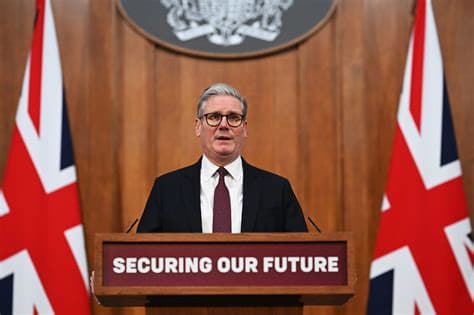
Sir Keir Starmer, the leader of the UK Labour Party, has announced a significant pause on all reforms aimed at reducing the country's welfare bill, extending for at least a year. This decision comes amid growing resistance from within his own party, particularly from backbenchers who have expressed concerns about the potential negative impacts of such reforms on vulnerable populations. The Department for Work and Pensions (DWP) has been directed to cease any legislative changes during the upcoming parliamentary session, reflecting the internal strife and hesitance to push forward with controversial policies.
Despite acknowledging the necessity to control welfare spending, both Starmer and Finance Minister Rachel Reeves have faced considerable pushback regarding their proposed reforms. Initial plans included changes to disability benefits and unemployment assistance, which were projected to save the government up to £5 billion annually. However, these proposals have been met with criticism, leading to a scaling back of ambitions and a delay in implementation.
Originally, discussions regarding these legislative changes were anticipated to be included in the King's speech scheduled for May. However, given the current political climate and the internal dissent within the Labour Party, it appears unlikely that any significant reforms will be introduced before mid-2027. This postponement raises questions about the party's strategy and its ability to address pressing welfare issues effectively.
The backdrop to this decision is a concerning rise in the number of individuals relying on state assistance, with recent statistics indicating that 23% of the working-age population is now receiving some form of support. In response to this alarming trend, two reviews of the welfare system are set to take place this year, which may yield recommendations for new policies aimed at reducing costs. A key issue under consideration is the increasing number of young people classified as NEET (not in employment, education, or training), highlighting a demographic that requires urgent attention.
While there was initial enthusiasm for a proposed unemployment insurance scheme, this initiative has also been postponed due to the prevailing political circumstances. A minister within the party has voiced frustration over the reluctance to tackle welfare reform, especially as elections loom on the horizon. Current estimates suggest that total welfare spending could exceed £3.8 billion by 2030, marking an increase of over £350 million from previous projections.
A government spokesperson has stated that decisions regarding the King's address are still under consideration, acknowledging the complexities and challenges inherent in the current welfare system. As the Labour Party navigates these turbulent waters, the implications of Starmer's decision will likely resonate throughout the political landscape, influencing both party dynamics and public perception in the lead-up to future elections.
Published by Banx Network. This article is part of the Banx decentralized media programme, powered by the BXE token on the XRP Ledger.



