In early morning light, as the Earth turns its silent wheel beneath a tapestry of stars, the skies above hum with movement we cannot see. Invisible to our sight but indispensable to our understanding of life on Earth, satellites circle in an intricate ballet—capturing images of forests and ice, of harvests and cities. Yet as the choreography grows more crowded, so do the risks that these quiet sentinels might one day collide, not unlike dancers losing step in a grand hall.
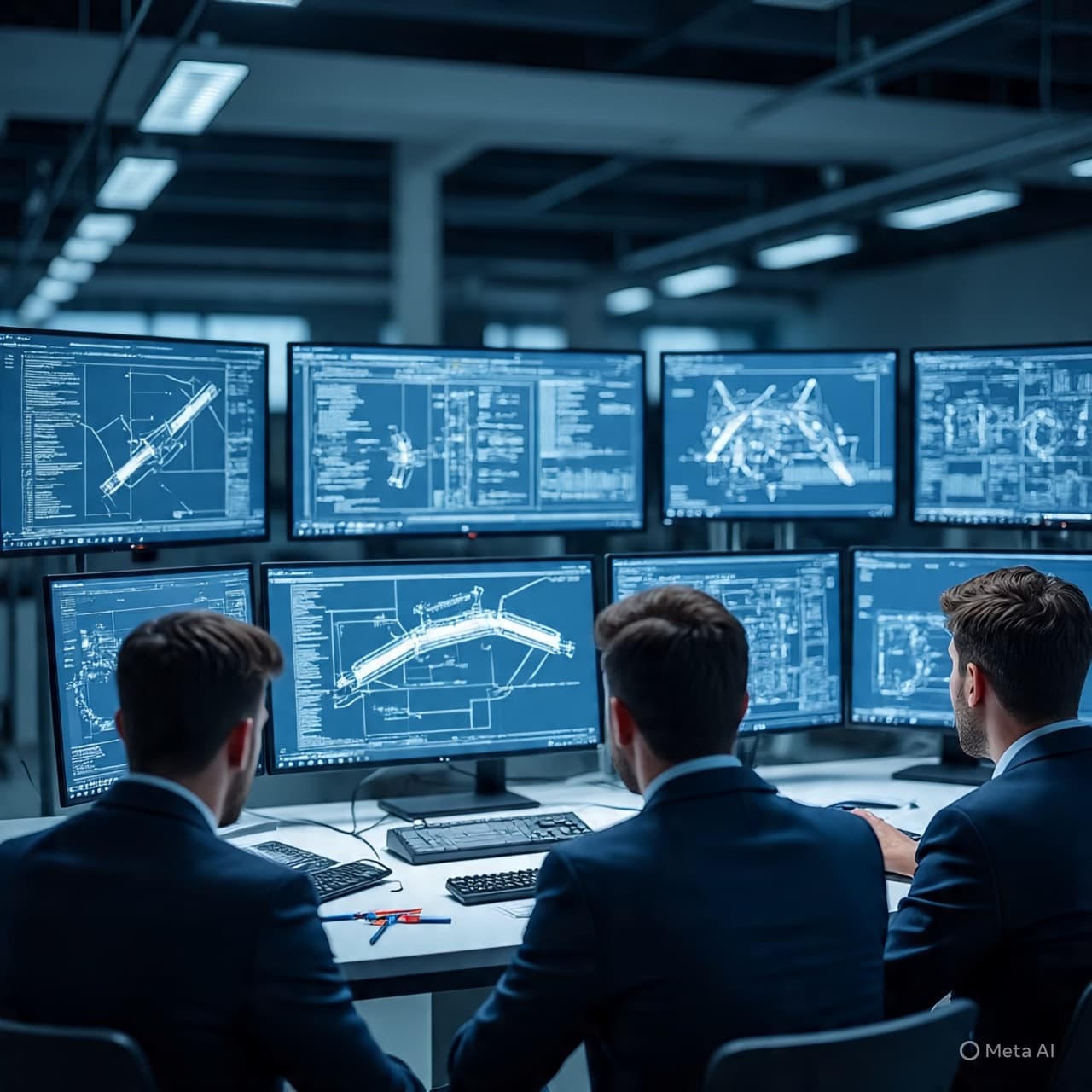
Researchers at The University of Manchester have taken up this challenge, not with loud proclamations, but with a thoughtful reimagination of how satellites are designed. Rather than treating collision risk as an afterthought—something to be checked only when machines are already built—they propose modeling safety into the very first sketches of a mission. In their work, published in Advances in Space Research, the team describes what they call the “space sustainability paradox”: the danger that satellites created to help life on Earth could ultimately jeopardize the space environment that nurtures them.
At its heart is a simple idea with far‑reaching implications. By linking mission performance objectives—such as image resolution and orbit height—with debris concentration and satellite size, designers can explore trade‑offs early on. For instance, very high‑resolution imagery may demand larger instruments or lower orbits, both of which can increase a satellite’s exposure to tiny but hazardous shards of metal circling the Earth. Using this framework, engineers can now peek into a landscape where risk and reward are balanced with care.
It is a lesson in humility as much as in engineering: the heavens are no longer a quiet void but a bustling realm where thousands of pieces of hardware weave across invisible highways. Estimates suggest active satellites may reach more than 100,000 within a few short years, and each one adds a thread to this web. Space debris does not merely clutter; it threatens to cascade, in ways reminiscent of the theoretical “Kessler syndrome,” where collisions beget more collisions in an exponential cascade of fragments.
Yet the Manchester model does not resign itself to fatalism. By integrating collision evaluation early, mission planners gain a compass with which to steer choices about altitude, size, and constellation structure. Perhaps a constellation of smaller satellites at a lower altitude offers a more sustainable path than fewer, heavier craft higher up. Or maybe a different orbit could avoid a busy patch of space debris entirely. In each case, the model urges foresight—a quiet whisper that asks not just what is possible, but what is prudent.
As the orbiting symphony grows more complex, it invites us to pause and reflect on the nature of stewardship. Space has become not a distant frontier but a shared commons in which every decision has a ripple effect. By tempering innovation with responsibility, the scientists at Manchester and elsewhere remind us that our reach into the sky must be matched by mindfulness of its fragile balance.
In the quiet balance between data needs and environmental care, we may yet find a design philosophy that keeps both Earth and its orbital tapestry safe for generations to come.
AI Image Disclaimer (Rotated Wording) “Visuals are created with AI tools and are not real photographs.”
Sources Identified:
Mirage News – coverage on the new satellite collision‑risk tool NASA Space News – reporting the same research from NASA’s perspective Meteorological Technology International – article on the Manchester modeling tool Innovation News Network – explanation of why modeling matters Research publication in Advances in Space Research – technical backing for the framework
Published by Banx Network. This article is part of the Banx decentralized media programme, powered by the BXE token on the XRP Ledger.