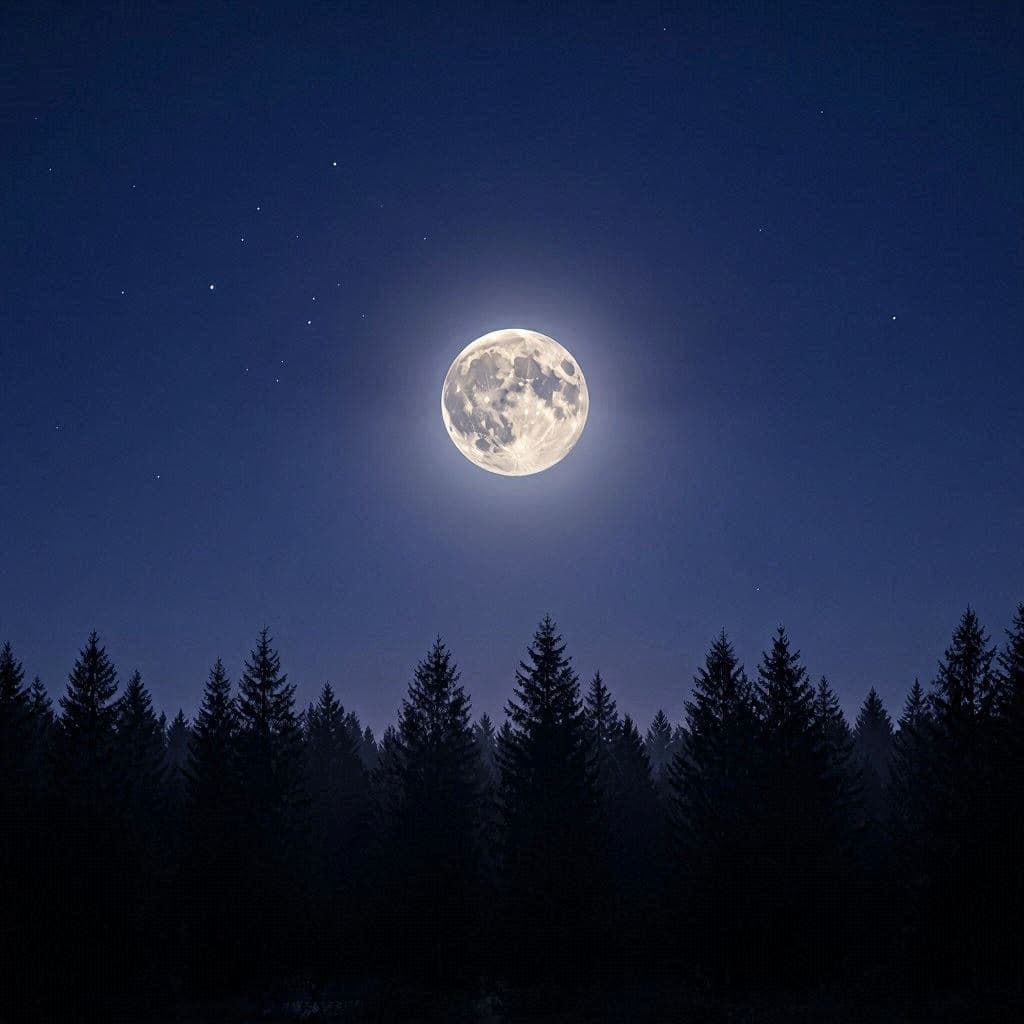
There is a rhythmic poetry to the heavens, a cycle of light and shadow that has guided humanity since the dawn of time. In July 2026, the night sky will offer a subtle prelude to one of nature’s most dramatic spectacles. The full moon, traditionally known as the Buck Moon for the time when male deer begin to grow their new antlers, will rise in a sky that is holding its breath for the solar eclipse to come.
While the full moon itself is a familiar sight, its presence in this particular month serves as a marker in the celestial calendar, reminding us that the alignment of sun, moon, and earth is a precise and predictable dance. It is a moment to pause, to look up, and to appreciate the intricate mechanics that govern our place in the cosmos.
Body: The term "Buck Moon" originates from Native American traditions, reflecting the seasonal changes in the natural world. It is a time of growth and renewal, mirrored in the sky by the bright, full face of the moon. However, in 2026, this lunar event is part of a larger narrative leading up to a total solar eclipse. While the full moon and the solar eclipse do not occur on the same day—they are two weeks apart in the lunar cycle—their proximity in the calendar highlights the dynamic relationship between Earth’s satellite and its star.
A total solar eclipse occurs when the new moon passes directly between the Earth and the sun, casting a shadow on our planet. The full moon, being on the opposite side of the Earth, cannot cause an eclipse. Yet, the anticipation of the eclipse often begins with the observation of the full moon, as skywatchers track the moon’s path and prepare for the upcoming darkness. The Buck Moon of July 2026 will be a bright beacon, signaling the approach of the new moon that will bring the eclipse.
For stargazers, this period offers a rich opportunity for observation. The clear summer skies provide ideal conditions for viewing the moon’s detailed surface features, from its vast maria to its rugged highlands. It is a time to connect with the night sky, to learn the constellations, and to understand the phases that drive the tides and the rhythms of life on Earth.
The upcoming solar eclipse will be a major event for astronomy enthusiasts, drawing travelers to specific paths of totality. The Buck Moon serves as a gentle reminder of the cyclical nature of these events, encouraging patience and preparation. It invites us to think about the long-term patterns of the solar system and our place within them.
Jamie Carter, an award-winning reporter on stargazing, notes that such celestial events are not just scientific phenomena but cultural touchstones. They bring people together, fostering a sense of wonder and shared experience. The Buck Moon, with its rustic name and bright presence, adds a layer of folklore to the scientific precision of eclipse predictions.
As we await the eclipse, the full moon offers a moment of reflection. It is a symbol of completeness and illumination, contrasting with the darkness of the eclipse to come. This interplay of light and shadow is central to the human experience of the sky, reminding us that both are necessary for a full understanding of our environment.
Closing: In July 2026, the Buck Moon will rise as a herald of the eclipse, inviting us to look up and marvel at the clockwork of the heavens. Whether you are a seasoned astronomer or a casual observer, the sky offers a show that is both predictable and profoundly moving. Let the light of the full moon guide your gaze toward the wonders that lie ahead.
AI Image Disclaimer: Please be aware that any visual illustrations accompanying this text are AI-generated interpretations designed to evoke the thematic context of lunar phases and eclipses and do not depict actual astronomical charts or real-time sky views for July 2026.
Sources: Forbes Time and Date EarthSky NASA Eclipse Website
Published by Banx Network. This article is part of the Banx decentralized media programme, powered by the BXE token on the XRP Ledger.