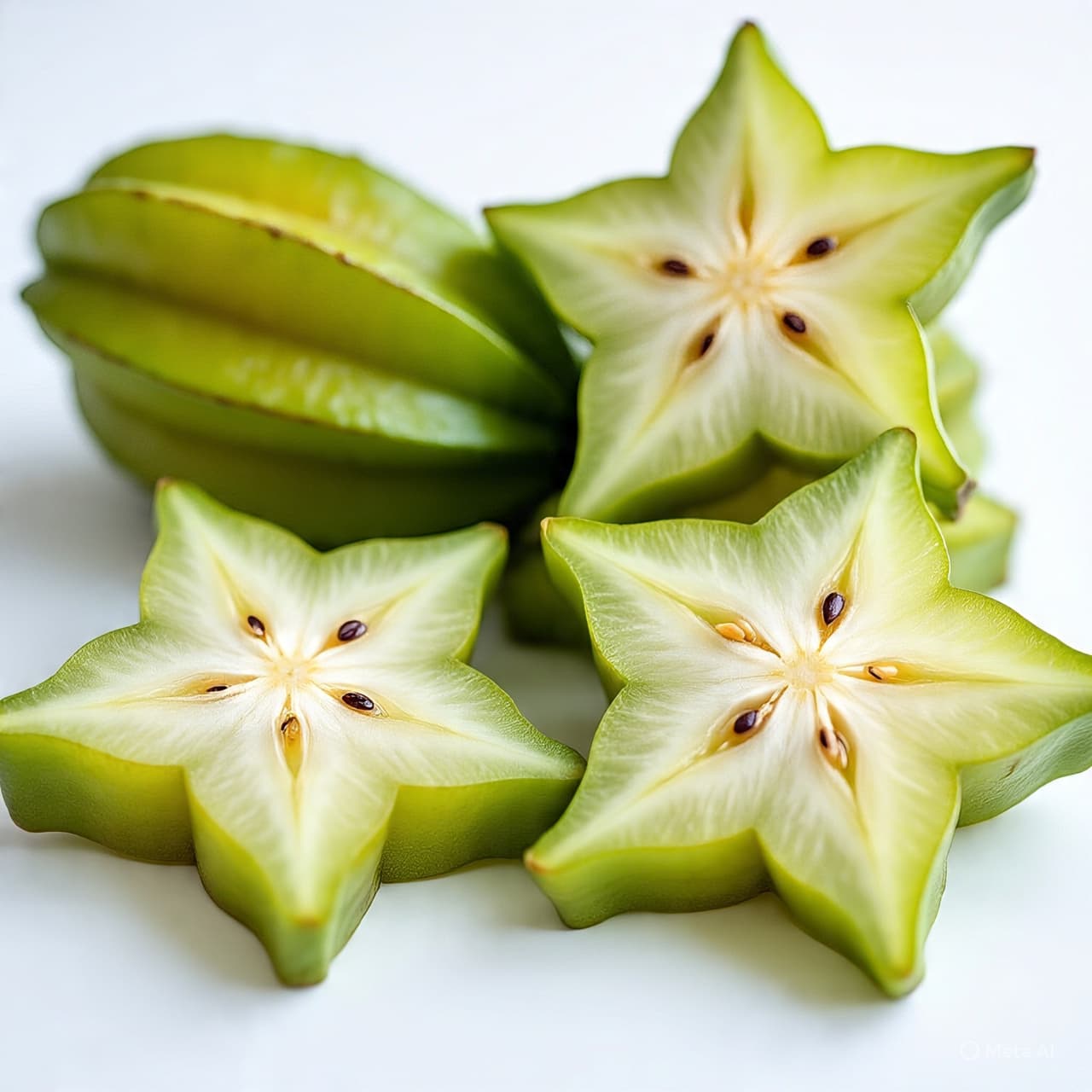
The star fruit, or carambola, cuts a striking figure both in appearance and nutrition. With its five ridges and cross-section that resembles a glowing star, it offers more than visual appeal—it brings real dietary value as recognized in health resources like Cleveland Clinic. When dietitians at Cleveland Clinic pick fruits that “deserve the buzz,” star fruit features especially for its low calorie count paired with good nutrient content.
Though often enjoyed for its unique sweet-tart flavor, one of star fruit’s most significant strengths lies in its vitamin C content. This vitamin supports immune function, helps heal and maintain skin, and contributes to antioxidant protection. The fruit also offers fiber, which helps support digestive health and can contribute to feeling full without adding many calories. ([Medical News Today][2])
Cleveland Clinic emphasizes that star fruit is “pretty nutritious considering the low calorie count.” It is relatively low in calories, sugar, and fat, making it a strong choice among fruits for those seeking nutrition without excess.
However, star fruit is not without caveats. People with kidney issues are advised to use caution or avoid consumption, because star fruit contains compounds like oxalates which in certain conditions may be problematic. Cleveland Clinic notes that although the fruit offers many benefits for many people, those with kidney disease or who are taking certain medications should consult healthcare professionals first.
Overall, star fruit stands as a lovely example of a fruit that tastes delightful, looks beautiful, and supports wellness in many ways—especially when eaten ripe, in moderation, and as part of a varied diet.
*This article is informed by data and reporting from Cleveland Clinic, Medical News Today, and Healthline.*
Published by Banx Network. This article is part of the Banx decentralized media programme, powered by the BXE token on the XRP Ledger.