There are moments when the quiet mechanics of diplomacy — stamps, forms, counters behind glass — suddenly fall still, signaling currents deeper than paperwork alone. In recent days, such a pause has unfolded across several Bangladeshi diplomatic missions in India, where visa services have been temporarily halted. The reason offered is measured and direct: security concerns. Yet behind that phrase lies a wider atmosphere of unease, shaped by violence, fear and strained regional sensitivities.
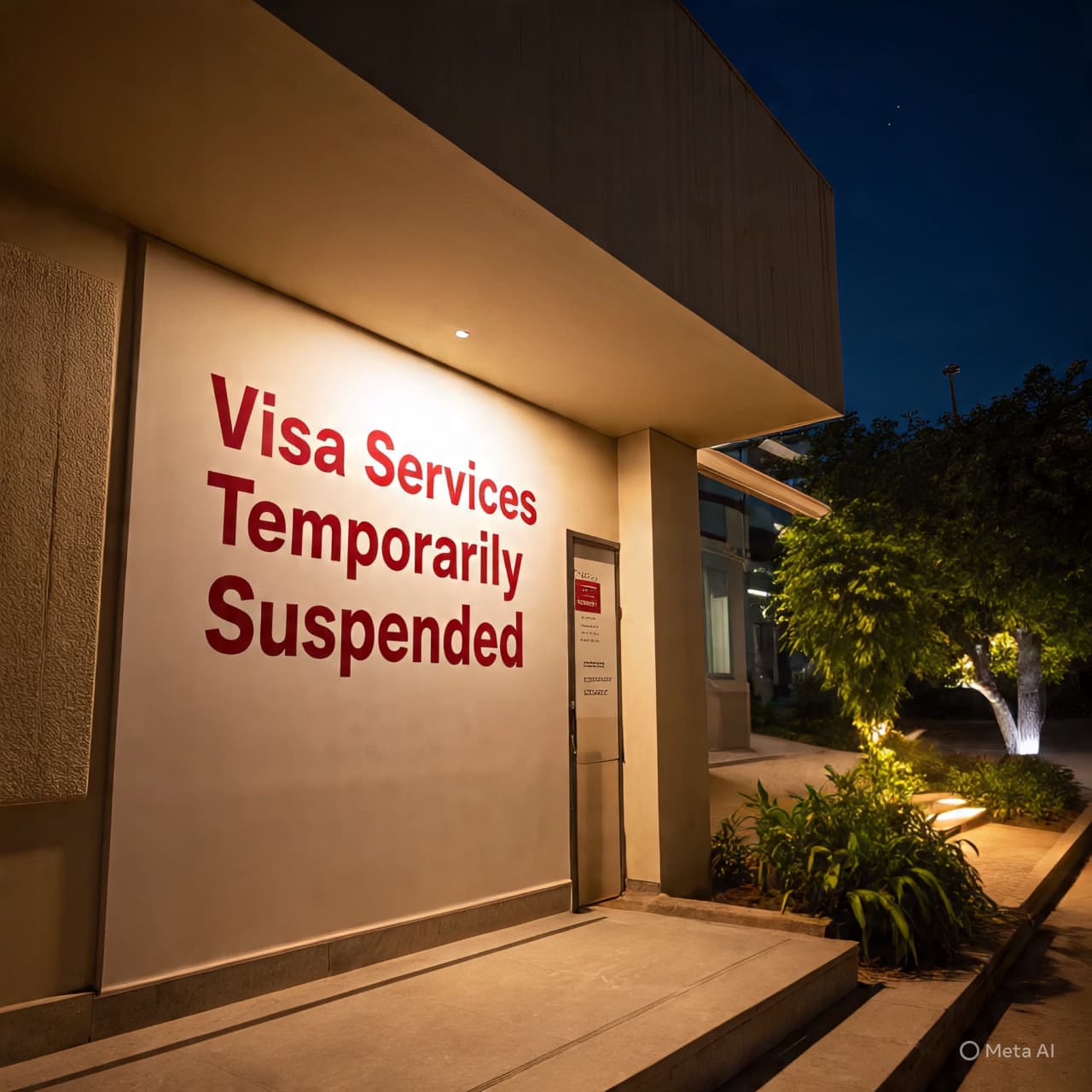
Bangladesh has suspended visa issuance at its High Commission in New Delhi and at consular offices in Kolkata and Agartala, a move officials describe as precautionary rather than punitive. Authorities stress that the decision is temporary and rooted in the safety of both diplomatic staff and visa applicants. Still, the closure has drawn attention because it comes amid heightened tensions between Dhaka and New Delhi, and at a time when reports of violence against minority communities in Bangladesh have stirred domestic and international concern.
For many ordinary people, the impact is immediate and personal. Students awaiting study permits, families planning reunions, patients seeking medical care, and traders accustomed to regular cross-border movement now find their plans suspended. What is often an administrative routine has become a reminder of how closely daily life is tied to political and security conditions beyond individual control.
The broader context adds weight to the decision. Recent incidents involving attacks on minority communities in Bangladesh have raised alarms, prompted diplomatic reactions, and intensified scrutiny of law-and-order conditions. These developments have not remained confined within national borders. Protests, public statements, and heightened security awareness have rippled outward, affecting bilateral interactions that have long been defined by proximity, shared history and economic interdependence.
Officials in Dhaka have been careful to frame the visa halt as a protective step, not a rupture in relations. Diplomatic channels, they say, remain open, and the pause does not signal a withdrawal from engagement with India. Instead, it reflects a moment of caution — a decision to slow movement until conditions are assessed as stable enough to resume normal operations.
India, for its part, has acknowledged the situation without escalating rhetoric, even as analysts note that visa restrictions, however temporary, often carry symbolic weight. In South Asia, where borders are both porous and politically sensitive, even short-term suspensions can echo longstanding anxieties and revive difficult questions about trust, security and mutual responsibility.
As the situation unfolds, the visa desks remain closed, but conversations continue — between governments, within communities, and among individuals waiting for clarity. The pause underscores a familiar truth in international relations: that mobility depends not only on documents and destinations, but also on the fragile balance between openness and safety.
AI Image Disclaimer “Images in this article are AI-generated illustrations, intended for conceptual representation only.”
Sources Times of India The Daily Star Reuters The Economic Times Al Jazeera
Published by Banx Network. This article is part of the Banx decentralized media programme, powered by the BXE token on the XRP Ledger.