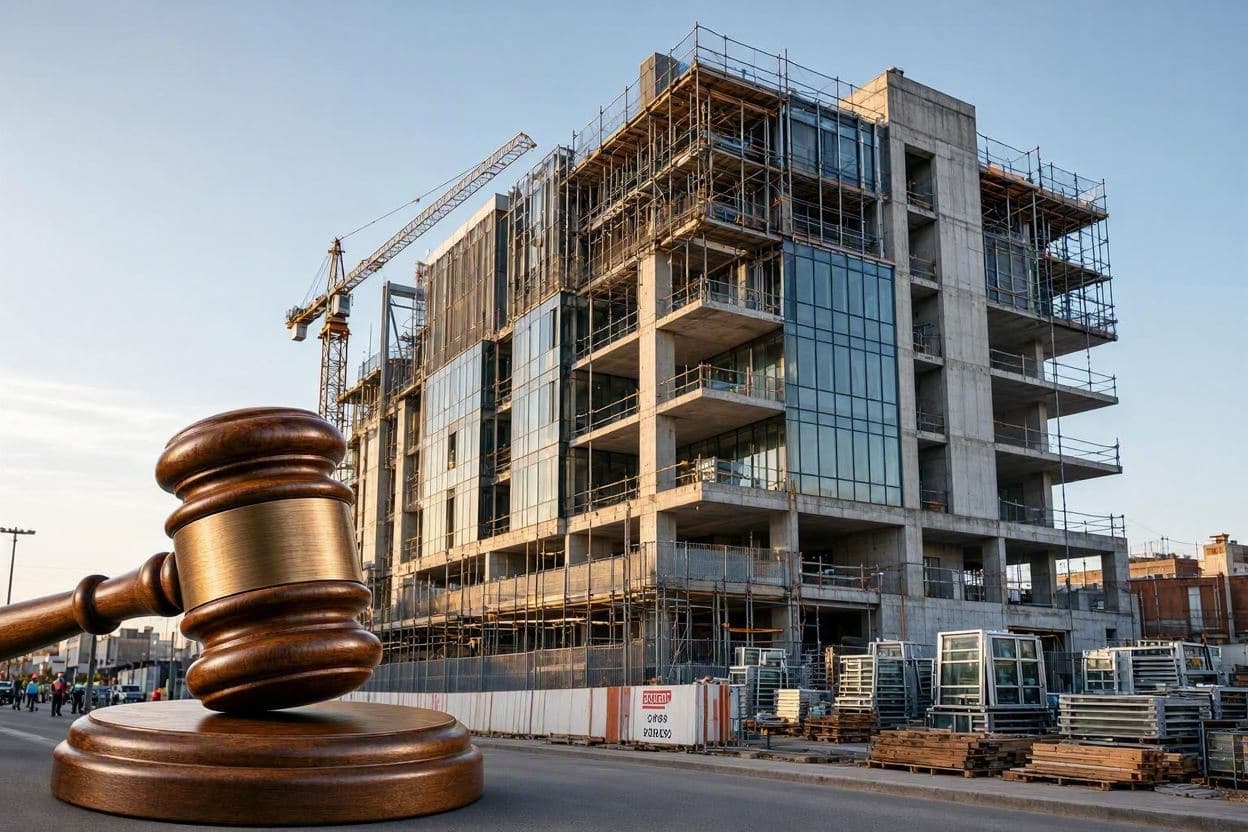
In the historic suburb of Carlton, where Victorian terraces stand as testaments to a bygone era, a modern drama of administrative conflict is unfolding within an apartment block. Residents find themselves caught in the crossfire of a dispute between competing strata management companies, resulting in a decline in building maintenance that affects their daily quality of life. The situation highlights the complexities of property governance and the tangible impact of corporate discord on individual households.
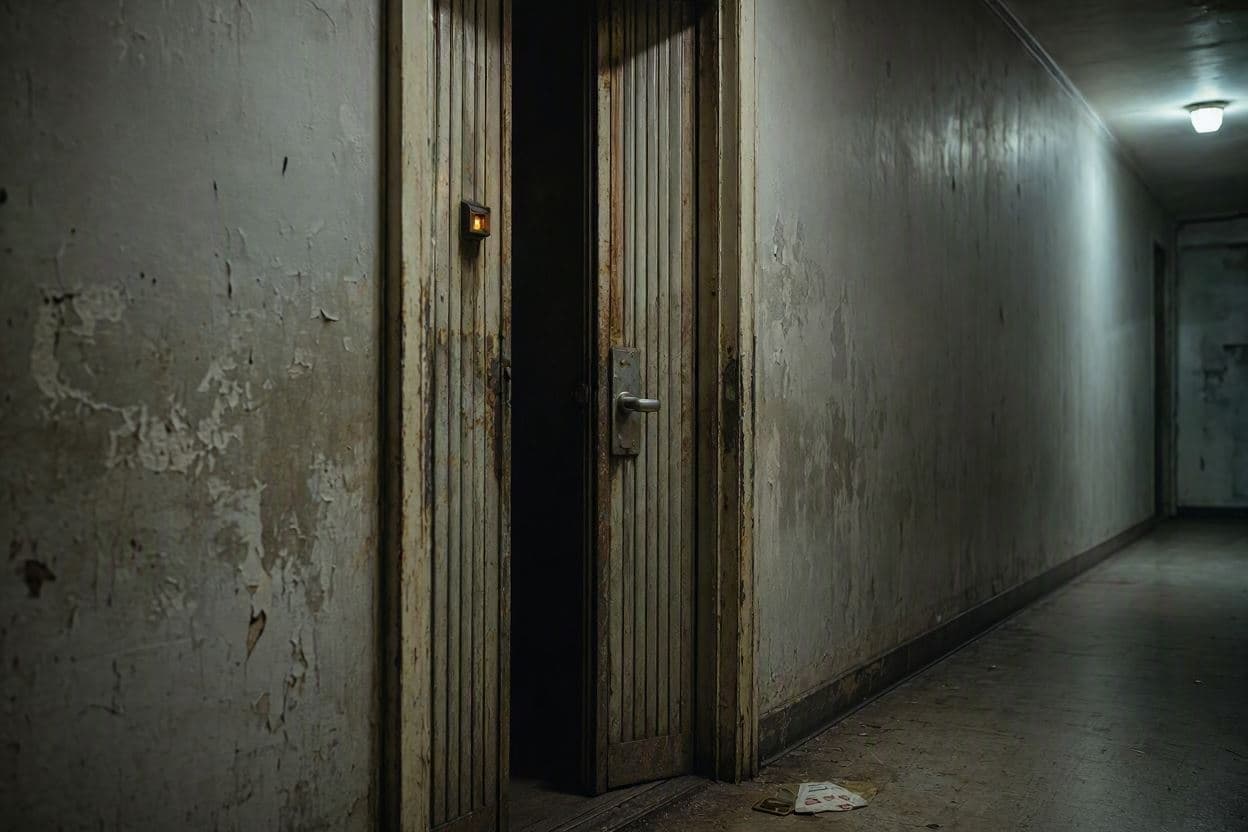
The issues are visible and visceral. Elevators operate sluggishly, causing frustration for residents, particularly the elderly and those with mobility challenges. Carpets in common areas have become stained and worn, lacking the regular cleaning required for hygiene and aesthetics. Cracked windows remain unrepaired, allowing drafts and noise to penetrate living spaces, compromising comfort and security. These neglects are not merely inconveniences but signs of a deeper systemic failure.
At the heart of the problem is a power struggle between two strata management firms. Disagreements over contracts, fees, and responsibilities have led to a paralysis in decision-making. Funds allocated for maintenance are tied up in legal disputes or withheld due to uncertainty over who holds the authority to spend them. This bureaucratic stalemate leaves the building’s physical needs unaddressed, despite the availability of resources.
For the residents, the experience is one of helplessness. They pay their levies expecting a well-maintained home, yet find themselves living in deteriorating conditions. Complaints to either company are often met with deflection or silence, as each side blames the other for the impasse. The lack of clear leadership creates a vacuum where accountability disappears, and the building suffers.
Legal experts suggest that such disputes are not uncommon in multi-unit developments, especially when management contracts are contested. However, the duty of care to residents remains paramount regardless of corporate disagreements. Strata laws typically mandate that essential services and safety repairs be prioritized, even during transitional periods. Failure to do so can lead to legal liabilities for the management companies involved.
Community advocacy groups are urging residents to unite and demand immediate action. By forming a cohesive owners’ corporation committee, residents can exert pressure on both companies to resolve their differences or step aside for a neutral interim manager. Collective action often proves more effective than individual complaints, forcing a resolution that prioritizes the building’s welfare.
The situation in Carlton serves as a cautionary tale for other apartment complexes. It underscores the importance of transparent governance and robust contracts that protect residents from managerial conflicts. Clear clauses regarding emergency maintenance and dispute resolution can prevent such standoffs from affecting living conditions.
As the dispute continues, the hope is for a swift resolution that restores dignity to the building and peace to its residents. Until then, the slow lifts and cracked windows stand as silent witnesses to a battle that should never have impacted the sanctity of home.
AI Image Disclaimer: The images used in this report are AI-generated visuals created to illustrate the themes of urban living and property management challenges.
Sources: The Age, Domain, Strata Community Australia, Local Resident Reports
Published by Banx Network. This article is part of the Banx decentralized media programme, powered by the BXE token on the XRP Ledger.