
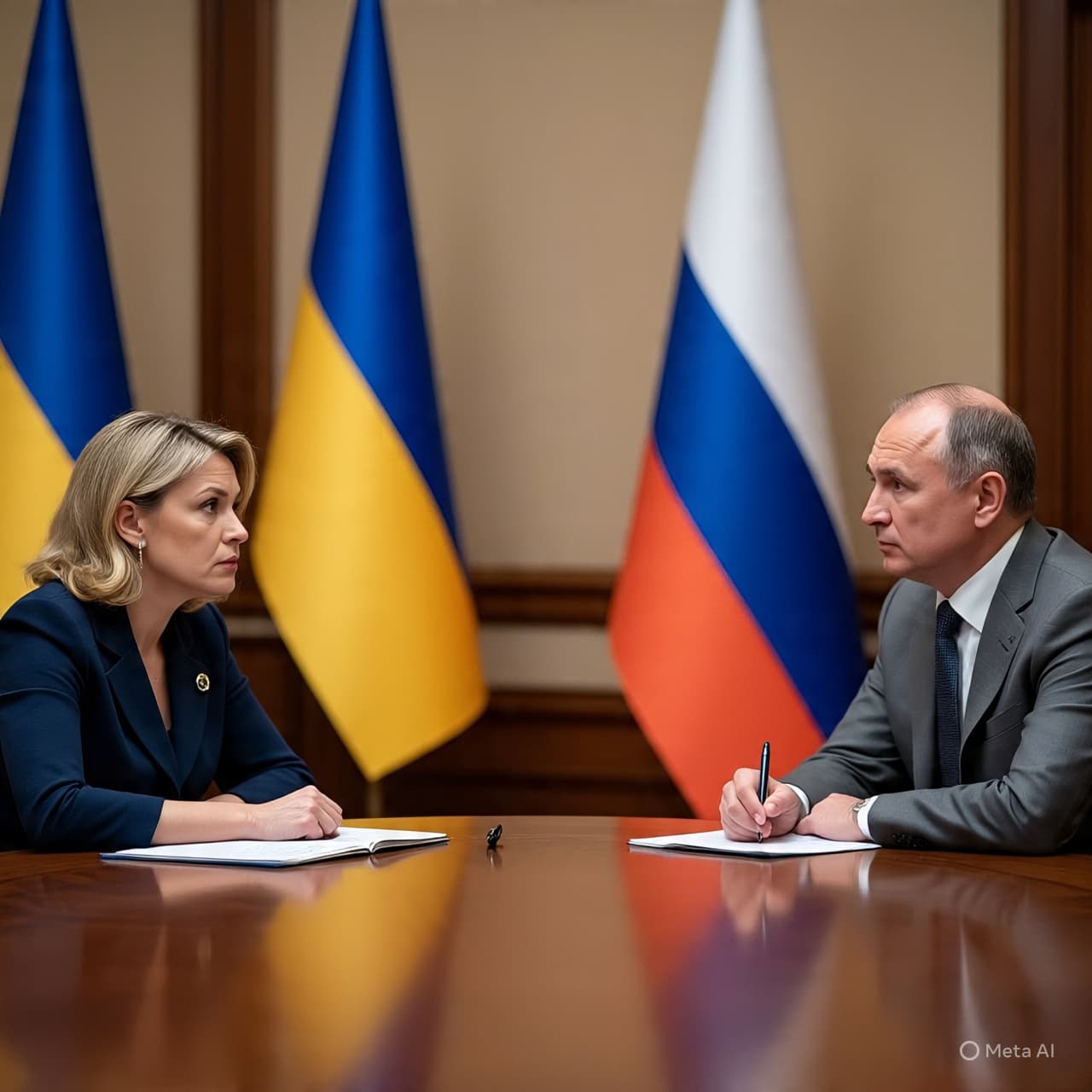
Key Highlights
- Negotiations in UAE:Ukraine and Russia's peace talks concluded without a breakthrough.
- Stalemate:Key issues remain unresolved, including territorial disputes and security guarantees.
- Future of Diplomacy:The UAE's role as a mediator faces scrutiny after the talks.
The recent peace talks between Ukrainian and Russian representatives in the United Arab Emirates ended without any significant breakthrough, leaving the prospects for a peaceful resolution to the ongoing conflict in Ukraine more uncertain than ever. The negotiations, which took place over two days, were marked by high expectations but ultimately failed to produce tangible results.
The discussions began with hopes that both parties could make progress in addressing the long-standing issues that have fueled the conflict. However, despite multiple sessions of intense diplomacy, the two sides remained deeply divided on critical matters, including territorial disputes, security guarantees, and the political future of Ukraine. The lack of consensus on these key issues has left many observers questioning the effectiveness of the dialogue.
The UAE, which has positioned itself as a neutral party with strong diplomatic ties to both Russia and Ukraine, hosted the talks in an effort to mediate and foster a path to peace. However, by the conclusion of the second day, it became evident that the gaps between the two delegations were as wide as ever, with no common ground reached on the most contentious topics.
Following the talks, a Ukrainian delegate expressed the challenges faced in the negotiations, stating, "We are committed to finding a peaceful solution, but there are significant obstacles. We cannot compromise on Ukraine’s sovereignty, and Russia must acknowledge this if we are to move forward." This sentiment underscores the deep-rooted issues that continue to hinder progress.
On the Russian side, officials voiced their frustration regarding what they perceived as a lack of willingness from Ukraine to explore alternative solutions. A Russian representative remarked, "The talks are difficult, but we remain open to dialogue. However, the Ukrainian position has not shifted, and we are concerned that they are not genuinely seeking peace." This highlights the contrasting perspectives of both parties and the challenges of reconciling their positions.
As the negotiations unfolded, it became increasingly clear that neither side was prepared to make concessions that could jeopardize their national interests. The absence of a breakthrough has led many to wonder whether the ongoing dialogue is merely a formality or a genuine attempt to bring the war to an end. The stakes are high, as the conflict has resulted in one of the worst humanitarian crises in modern history, with millions displaced and tens of thousands killed.
For the UAE, the failure to secure any significant progress in the talks represents a setback to its diplomatic ambitions. The country has sought to balance its relations with both Russia and the West, positioning itself as an honest broker in a conflict that has polarized global politics. However, the inability to deliver even a modest agreement in this round of talks raises questions about its role as a mediator.
Despite the disappointing outcome, international observers remain cautiously optimistic that the negotiations may eventually yield results. The hope, albeit faint, is that continued diplomatic engagement can pave the way for a ceasefire and a long-term peace agreement. The peace talks in the UAE are expected to continue in the coming days, although no clear timeline for progress has been established. Both sides have expressed a commitment to ongoing discussions, but the path to a lasting resolution remains fraught with uncertainty. As global powers and the international community closely monitor the situation, the ultimate question persists: will the desire for peace be strong enough to overcome the entrenched positions of both sides?
Published by Banx Network. This article is part of the Banx decentralized media programme, powered by the BXE token on the XRP Ledger.



