

Key Highlights
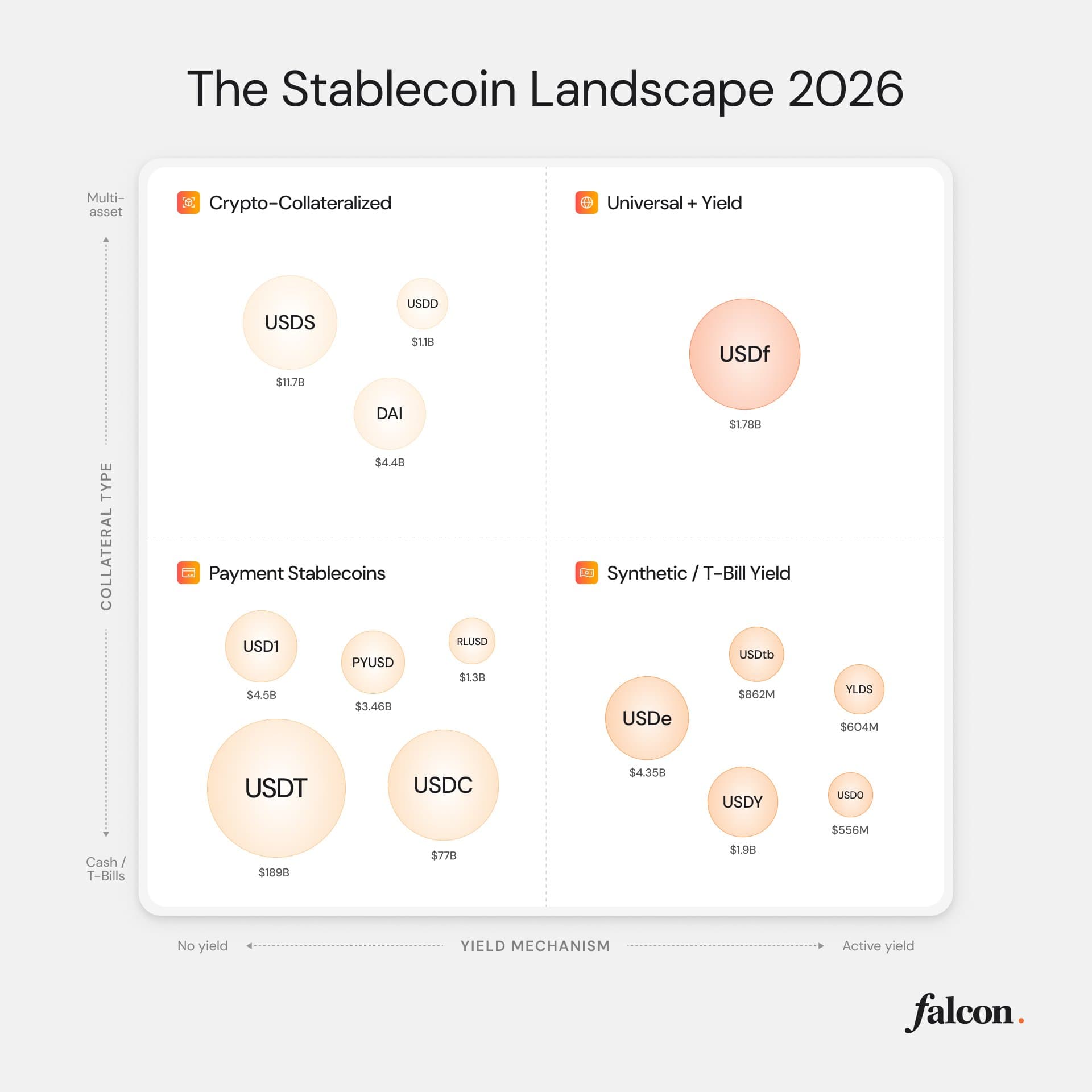
- Stablecoins are emerging as key players in the financial system.
- They offer stability and efficiency in transactions compared to traditional cryptocurrencies.
- Regulatory developments are crucial for the future of stablecoins.
Stablecoins are increasingly becoming a focal point in the evolution of the global financial system, connecting traditional banking with the burgeoning world of digital assets. Unlike their more volatile counterparts, stablecoins are designed to maintain a stable value, often pegged to established currencies like the U.S. dollar. This stability not only enhances their utility but also positions them as a viable solution for businesses and financial institutions looking to streamline operations.
The rise of stablecoins marks a significant shift in the narrative surrounding cryptocurrencies, which have long been associated with price volatility and speculative trading. As businesses explore the potential of stablecoin systems, they are discovering faster settlement processes and reduced friction in transactions. Financial institutions are closely monitoring these developments, recognizing the potential for blockchain technology to revolutionize payment systems.
Cross-border transactions have historically posed challenges, including multiple intermediaries, currency conversion fees, and compliance hurdles. Stablecoins offer a promising alternative, enabling seamless transactions that can operate continuously without the limitations of traditional processing systems. As transaction volumes for stablecoins surge, the demand for blockchain-powered financial solutions is becoming increasingly evident.
Institutional interest in stablecoins is on the rise, with banks and payment providers examining tokenized finance systems and blockchain settlement capabilities. Technology companies are also investing heavily in the infrastructure needed to support digital asset ecosystems. This growing momentum reflects broader economic shifts, as consumers demand faster digital experiences and businesses seek greater operational efficiency.
Regulatory developments play a pivotal role in shaping the future of stablecoins. Governments and financial regulators worldwide are evaluating frameworks that balance innovation with financial stability and compliance. The establishment of clear regulatory standards could significantly influence the speed of adoption and the overall growth of the stablecoin market.
As competition within the financial infrastructure accelerates, traditional banking systems face mounting pressure to modernize their settlement processes. Emerging technology companies are introducing alternative financial solutions, while digital asset infrastructure providers expand globally. Market participants increasingly view stablecoins not just as cryptocurrency products but as essential components of financial technology infrastructure, highlighting their potential to drive long-term transformation.
Despite the challenges, including cybersecurity concerns and evolving compliance requirements, the momentum surrounding blockchain-enabled payments continues to build. Technology adoption often begins slowly but can accelerate rapidly as infrastructure matures. Stablecoins are well-positioned within this development curve, as financial modernization efforts expand worldwide and digital commerce expectations rise.
The future of the financial system may not entail a complete replacement of existing institutions but rather an integration of digital infrastructure alongside traditional banking. Stablecoins could play a crucial role in bridging this transition, facilitating a more efficient and interconnected financial landscape.
Published by Banx Network. This article is part of the Banx decentralized media programme, powered by the BXE token on the XRP Ledger.




