

Key Highlights
- Regulatory Proposal:New identity verification rules for stablecoin issuers are under discussion.
- Industry Reactions:Supporters advocate for stronger compliance, while critics warn of potential drawbacks.
- Global Context:The debate reflects a broader effort to regulate digital assets effectively.
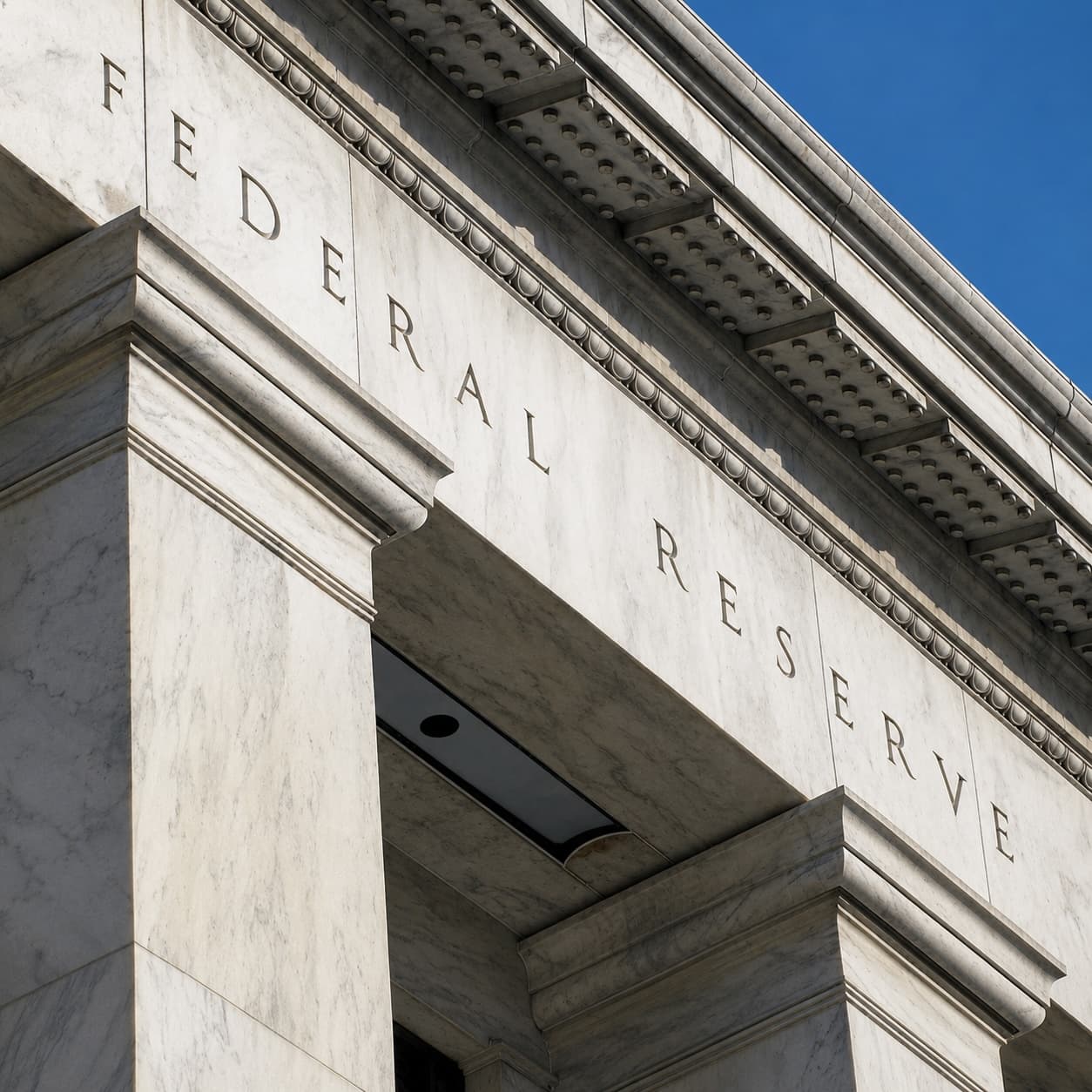
Regulatory discussions surrounding stablecoins have gained momentum, particularly with a proposal from the Federal Reserve that could reshape compliance requirements for digital asset providers. This proposal suggests that stablecoin issuers adopt customer identification programs akin to those mandated for traditional financial institutions, such as banks and credit unions. The implications of this proposal are significant, as it would impose stricter compliance measures on an already rapidly evolving sector.
Proponents of enhanced identity verification argue that as stablecoins become increasingly integral to global financial markets, they must adhere to robust anti-money laundering (AML) and know-your-customer (KYC) standards. Advocates believe that implementing these safeguards could bolster transparency, mitigate illicit activities, and foster greater confidence among regulators and institutional investors. They assert that a more regulated environment could ultimately benefit the cryptocurrency ecosystem by attracting more traditional financial players.
Conversely, critics of the proposed regulations caution that imposing compliance obligations similar to those faced by banks could undermine the unique advantages that have contributed to the popularity of stablecoins. They argue that increased regulatory burdens may lead to higher operational costs, limit accessibility for users, and pose challenges for decentralized financial applications that thrive on seamless blockchain transactions. This tension between regulation and innovation is at the heart of the ongoing debate.
Stablecoins have rapidly emerged as a vital segment of the cryptocurrency landscape, acting as a bridge between traditional fiat currencies and the burgeoning digital asset markets. Their ability to maintain a relatively stable value has made them a preferred choice for trading, payments, and decentralized finance (DeFi) activities. As adoption continues to grow, the need for a regulatory framework that addresses potential risks while fostering innovation becomes increasingly pressing.
The current discussions reflect a broader global initiative to establish comprehensive regulations governing digital assets. Policymakers worldwide are grappling with the challenge of balancing the need for consumer protection and financial stability with the imperative to encourage technological advancement. As stablecoin usage expands, regulators are under pressure to devise frameworks that effectively manage risk without stifling the growth of this dynamic sector.
The outcomes of these regulatory debates are poised to have lasting implications for a wide array of stakeholders, including issuers, exchanges, developers, and users. Industry participants are closely monitoring these developments, understanding that the future compliance landscape will significantly influence the next phase of stablecoin growth and adoption. As the dialogue continues, the cryptocurrency community remains vigilant, recognizing the potential impact of regulatory decisions on the evolution of digital finance.
Published by Banx Network. This article is part of the Banx decentralized media programme, powered by the BXE token on the XRP Ledger.




