
Key Highlights
- Security operations in Colombia target organized crime in rural areas.
- Authorities aim to improve public safety and protect local residents.
- Community participation is crucial for effective security measures.
[Colombia's Security Operations]
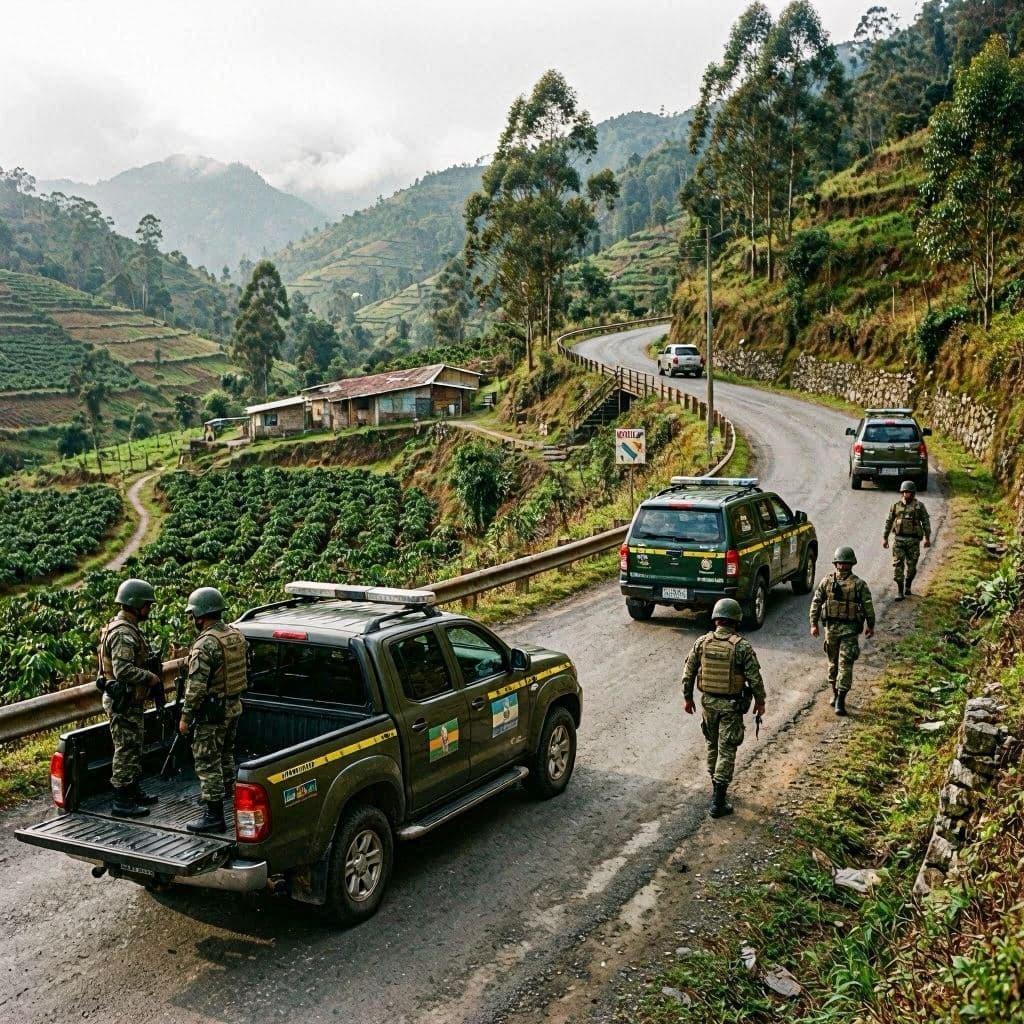
In Colombia, the divide between urban and rural communities extends beyond mere geography. Fields, forests, and small villages are increasingly recognized for their need for stability, similar to larger urban centers. Recently, Colombian security forces have intensified operations aimed at enhancing safety in rural regions plagued by organized armed groups. This renewed focus reflects a commitment to improving conditions for communities that have long suffered from violence and instability.
The coordinated campaign launched by Colombian authorities targets armed criminal organizations operating in several rural areas. Officials assert that the primary goal is to bolster public safety, protect local residents, and disrupt illegal activities associated with these organized networks. Military and police units are collaborating to increase patrols, enhance intelligence gathering, and improve operational coordination across affected regions.
[Challenges in Rural Areas]
Certain rural regions in Colombia have faced persistent security challenges due to the presence of armed groups engaged in illegal economic activities. These conditions have adversely affected transportation, agriculture, and access to essential government services for many communities. The government's efforts to address these issues are crucial, as they directly impact the quality of life for residents.
Analysts emphasize that while security measures are vital, they are most effective when coupled with investments in education, healthcare, infrastructure, and economic development. Long-term stability in these areas often hinges on addressing both security concerns and the broader social conditions that contribute to unrest.
[Community Involvement]
Authorities are actively encouraging residents to cooperate with official investigations while ensuring the confidentiality of individuals providing information. Community participation is a key element of public safety initiatives, as local insights can significantly enhance the effectiveness of security operations. By fostering trust between law enforcement and communities, officials hope to create a safer environment for all.
[Humanitarian Monitoring]
Humanitarian organizations are closely monitoring conditions in affected areas, particularly where communities may require assistance due to disruptions caused by security operations. Balancing operational objectives with the protection of civilians remains a priority, as authorities strive to minimize the impact of their actions on innocent lives.
[Regional Cooperation]
The fight against organized crime in Colombia is not confined to its borders. Criminal organizations often operate across national boundaries, making regional cooperation essential. Intelligence sharing and coordinated enforcement efforts are critical components of broader security objectives throughout the region. By working together, countries can enhance their capabilities to combat these threats effectively.
[Future Developments]
Officials have stated that security operations will continue as they assess conditions and pursue ongoing investigations. The future of these initiatives will depend on the outcomes of current operations and the sustained coordination among public institutions. As Colombia navigates these challenges, the commitment to improving safety and stability in rural communities remains a top priority.
Published by Banx Network. This article is part of the Banx decentralized media programme, powered by the BXE token on the XRP Ledger.



