
Key Highlights
- Viktor Orban claims the EU is a greater threat to Hungary than Russia.
- His remarks reflect ongoing tensions between Hungary and EU institutions.
- The political landscape in Hungary is shifting as elections approach.
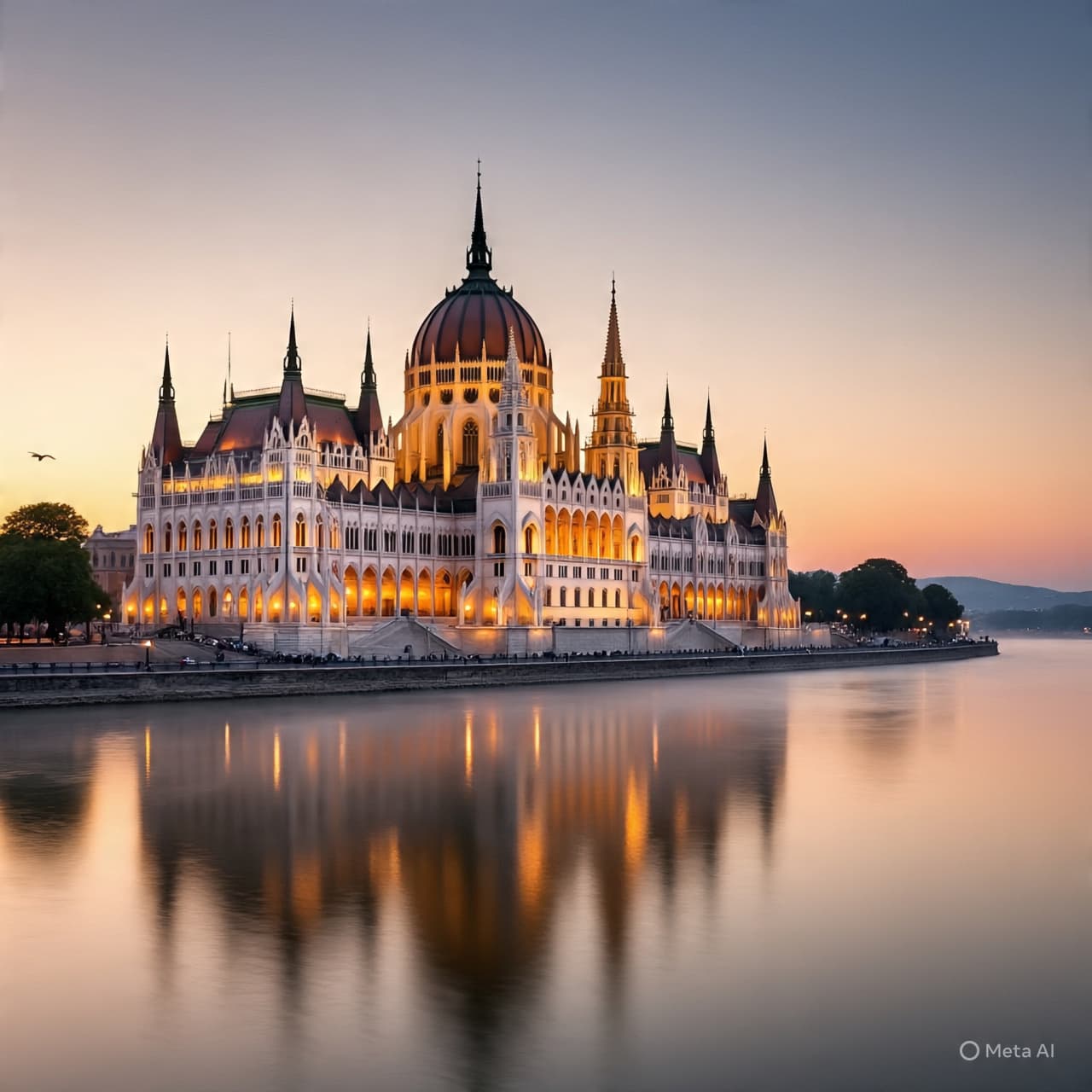
Hungary is experiencing the gentle arrival of spring, with the Danube flowing steadily beneath its historic bridges. As cafés reopen and campaign posters proliferate along tram lines, the city is enveloped in the familiar pre-election atmosphere, where conversations become more animated and meanings sharpen. This season of anticipation sets the stage for significant political discourse.
In this context, Prime Minister Viktor Orban has made a provocative assertion regarding Hungary's geopolitical stance. Ahead of the upcoming elections in April, he stated that the European Union poses a greater threat to Hungary's sovereignty than Russia. This statement has resonated beyond the campaign trail, reflecting a long-standing narrative in Orban's political rhetoric that emphasizes national independence against external influences.
Orban's framing draws on a history of conflict between his government and EU institutions over various issues, including judicial reforms, media regulations, migration policies, and the allocation of EU funds. While European leaders have criticized Hungary for undermining democratic norms, Orban's administration argues that it is safeguarding its constitutional identity. In his view, these disputes are not mere bureaucratic disagreements but represent an existential struggle for Hungary's autonomy.
The comparison to Russia is particularly noteworthy given the current geopolitical climate. Following Moscow's invasion of Ukraine, EU leaders have largely united against Russian aggression. However, Hungary has adopted a more cautious approach, maintaining energy ties with Russia and resisting certain sanctions. Orban's rhetoric now positions Brussels—not Moscow—as the primary force capable of influencing Hungary's internal affairs, laws, and cultural values.
Domestically, Orban's message is tailored for an electorate that values strong borders and clear distinctions. He portrays the EU as a distant entity that demands compliance rather than fostering partnership, contrasting it with Russia, which he depicts as a known adversary that does not interfere in Hungary's domestic policies. This distinction is less about geographical proximity and more about the perceived control over Hungary's future.
The implications of Orban's statements have sparked concern among EU officials, who emphasize that membership in the union is voluntary and based on shared agreements among all member states, including Hungary. Critics warn that framing the EU as a threat could further isolate Hungary at a time when collaboration is crucial for European security and economic stability. This tension has become a defining aspect of the electoral campaign, influencing how voters perceive national pride and their relationship with the EU.
As the elections draw near, Hungary's political landscape is crystallizing into stark choices. Soon, ballots will replace slogans, and the Danube will continue its course, indifferent to the political rhetoric. However, the questions raised by Orban's comments will persist beyond election day: Is Hungary's future best secured by erecting firmer barriers against its partners, or by finding a way to balance closeness and autonomy in an increasingly interconnected Europe?
Published by Banx Network. This article is part of the Banx decentralized media programme, powered by the BXE token on the XRP Ledger.



