In moments of crisis, decisions unfold in fractions of a second. Police officers assess threats, bystanders weigh fear against instinct, and lives hinge on what appears in the span of a breath. When such encounters end in death, the aftermath is measured not only in grief but in legal scrutiny.
Alberta’s police watchdog has determined that no charges will be laid against officers in the fatal shooting of a man who had strapped what appeared to be a grenade to his chest during a confrontation in Calgary.
According to the investigative report, officers responded to reports of a man in distress who was armed and making threats. Upon arrival, police encountered the individual with an explosive device affixed to his body. Authorities said officers attempted to de-escalate the situation, but the perceived and immediate risk to public safety escalated rapidly.
The province’s independent oversight body — the Alberta Serious Incident Response Team (ASIRT) — reviewed the circumstances of the shooting. In its findings, ASIRT concluded there were reasonable grounds to believe the officers’ use of force was legally justified under the Criminal Code, given the imminent threat posed by what was believed to be a live explosive device.
Investigators determined that officers had limited options once the man advanced while wearing the device. Bomb disposal experts were later called to the scene, and authorities confirmed the device was capable of causing serious harm.
The decision not to lay charges does not diminish the gravity of the loss. The man’s death has left family and community members grappling with complex questions about mental health, crisis intervention, and the boundaries of police force.
Calgary police expressed condolences to the family while acknowledging the traumatic impact such incidents have on officers and the public alike. Use-of-force incidents are subject to mandatory external review in Alberta, a process intended to ensure transparency and accountability.
For many observers, the case underscores the difficult terrain officers navigate when confronted with perceived explosives — scenarios in which hesitation can have catastrophic consequences. At the same time, it renews broader conversations about resources for individuals experiencing severe mental or emotional crises.
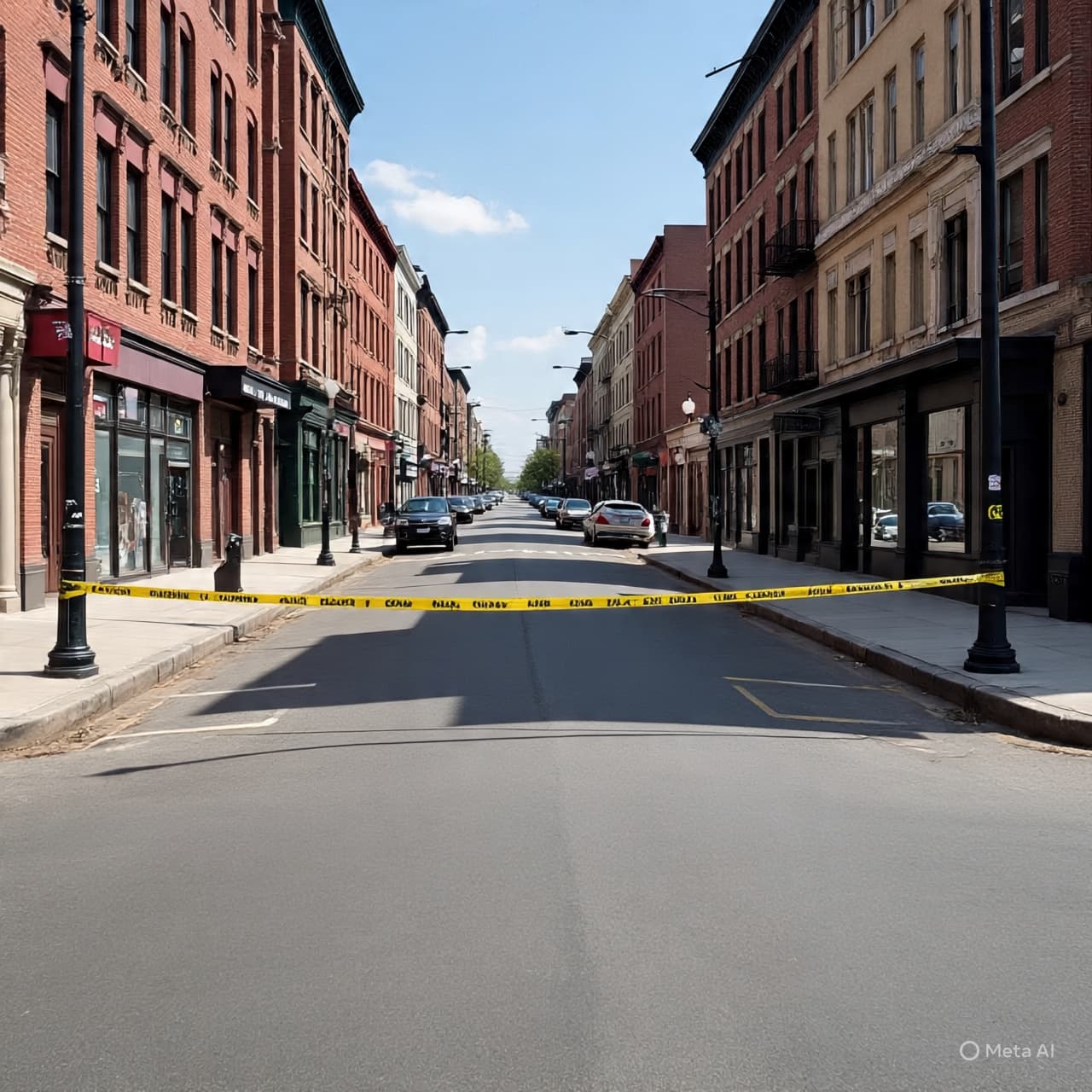
The streets where the confrontation unfolded have returned to routine. Traffic passes, storefronts reopen, and daily life resumes. Yet the echoes of that tense encounter linger — in investigative reports, in family mourning, and in the continuing debate over how communities respond when danger and distress collide.
AI Image Disclaimer
These images are AI-generated illustrations intended to depict the general context of the incident and do not represent the actual individuals or specific location involved.
Sources
Alberta Serious Incident Response Team Calgary Police Service CBC News Global News
Published by Banx Network. This article is part of the Banx decentralized media programme, powered by the BXE token on the XRP Ledger.